
Sustainable rural tourism has become an increasingly popular alternative for those who wish to disconnect from routine and enjoy unique landscapes, authentic traditions, and experiences that combine leisure, culture, nature, and respect for the environment. Faced with the overcrowding of some tourist areas, rural life offers a more human and personal form of travel, where direct contact with nature and local culture is fostered. Additionally, the growing interest in affordable rural accommodations has made it easier for more travelers to access this vacation style without requiring large expenditures.
Over the years, rural tourism has been transforming and professionalizing. While it initially consisted of family lodgings in countryside homes, today there is a variety of specific services for travelers seeking unique experiences, from nature excursions to craft workshops, passing through gastronomic tastings and cultural routes. But how can you fully enjoy this type of trip? What are the keys to connecting with nature and supporting local communities? How is it possible to find welcoming rural accommodations that don’t blow your budget?
In this extensive article, we will answer these questions. We will delve into the benefits of getting to know rural environments, explore the importance of sustainability, and of course, break down the main activities that make the rural getaway an unforgettable experience. We will also offer you valuable advice on how to make the most of your visit, maintaining a healthy balance with the environment and preserving the essence of the places you explore. Discover why rural tourism is not only more respectful of the environment, but also more enriching for your traveling spirit!
Discover the Beauty of Sustainable Rural Tourism
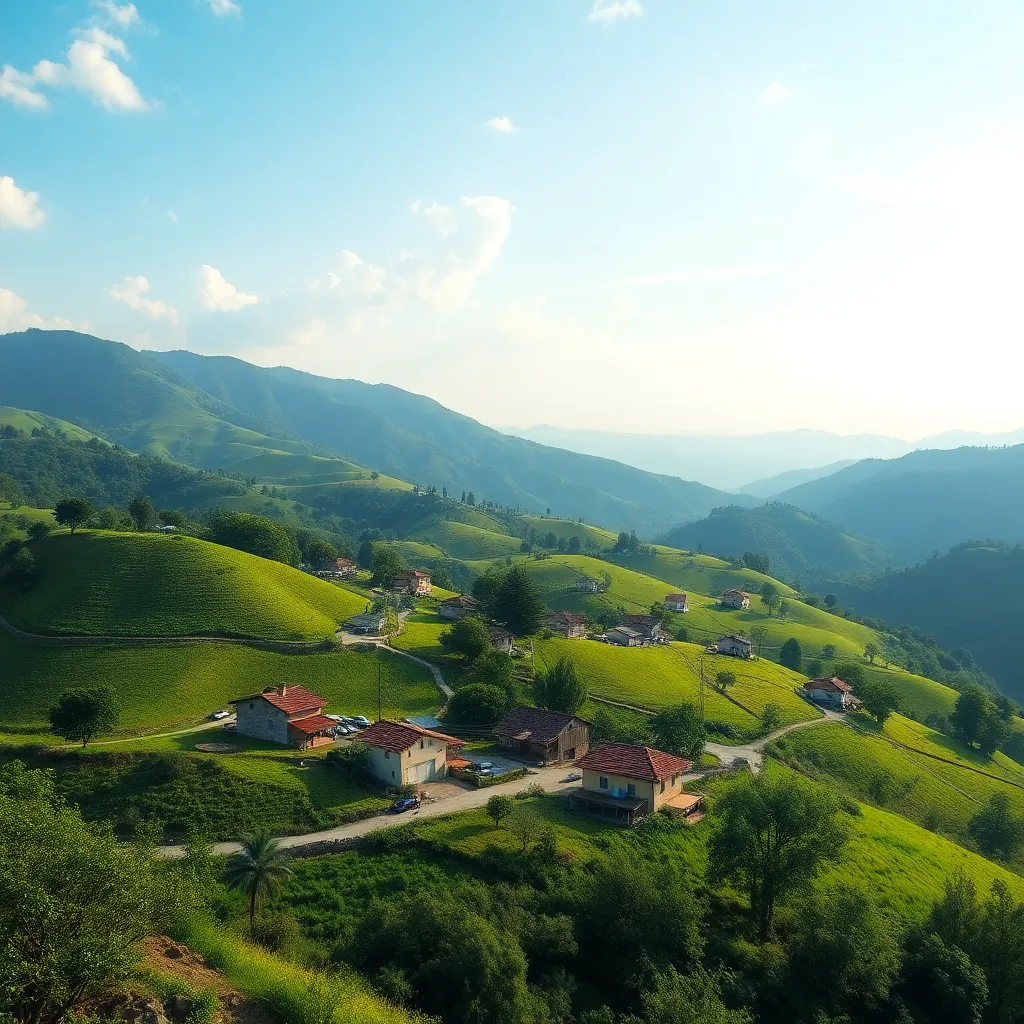
Picturesque sustainable rural landscape
Sustainable rural tourism is born from the need to develop a way of traveling that does not harm the environment and that, at the same time, contributes to the economic development of host communities. Thanks to this vision, more and more people find in the countryside the perfect place to relax, reconnect with their roots, and learn new ways of life.
Connecting with Nature and the Environment
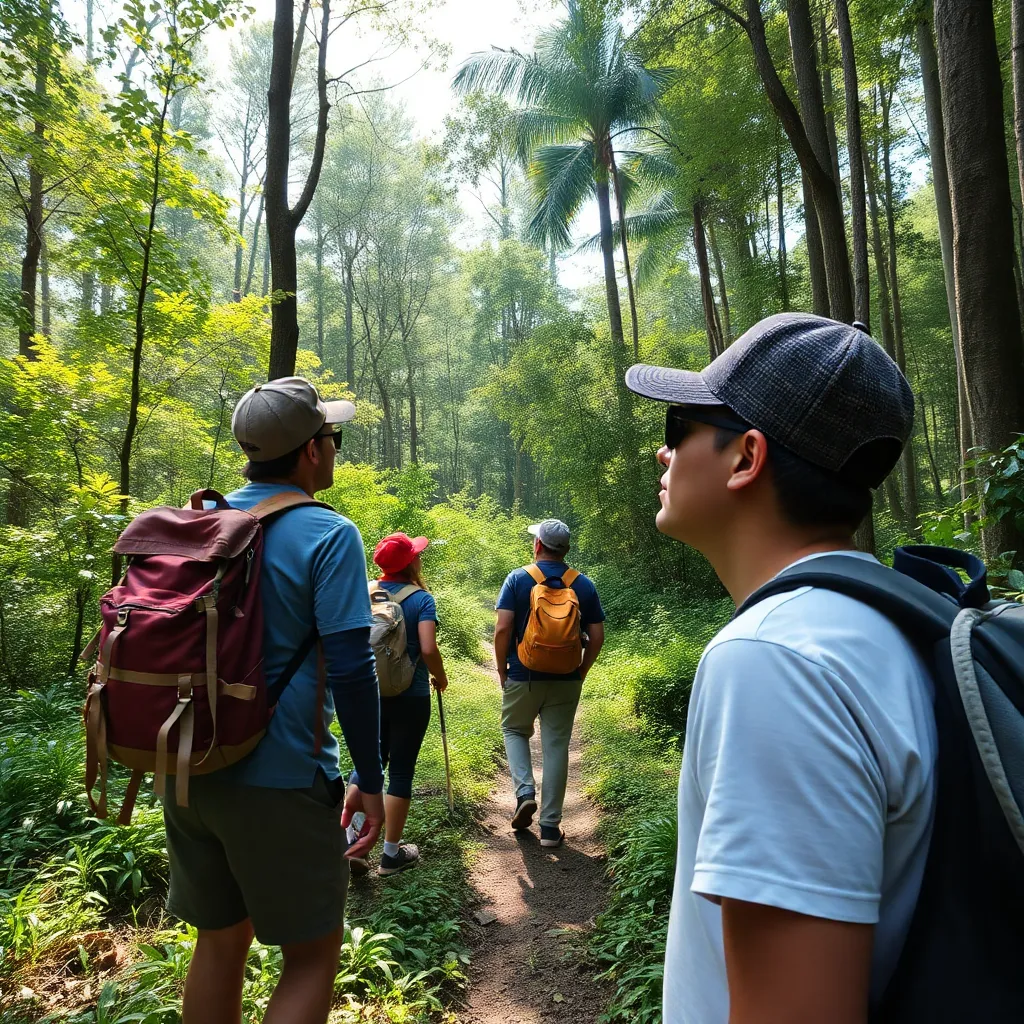
Hiking scene in nature
A fundamental element of sustainable rural tourism is direct connection with nature. Urban life often distances us from green landscapes and the tranquility of fresh air. When we venture into rural areas, we find mountains, valleys, cultivated fields, forests, and rivers that offer the possibility of marveling at the biodiversity of the environment.
This closeness to nature invites us to observe animal and plant species that, in many cases, are not present in cities. From migratory birds, wild mammals, and wildflowers, to organic gardens full of fresh vegetables. Observing and respecting local fauna is a highly enriching experience, as it reminds us of the importance of biological diversity and the crucial role each species plays.
On the other hand, sustainable rural tourism encourages the practice of activities that do not impose excessive environmental impact. A clear example is hiking along specially marked routes, which allows you to get to know the environment without disturbing it or leaving waste. Moreover, those who travel with children find in these walks the perfect opportunity to instill in them a love for nature and the value of protecting it.
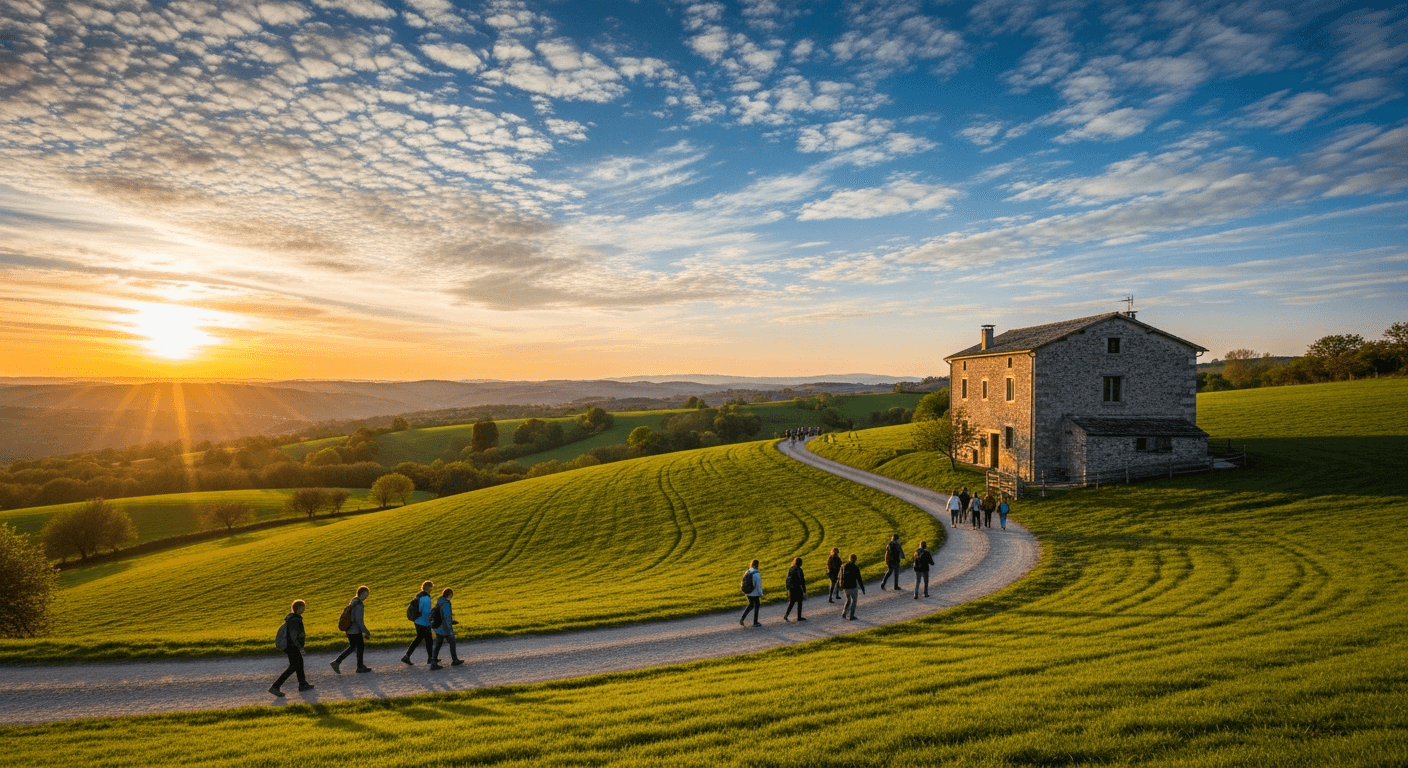
While the idea of being surrounded by beautiful landscapes may be sufficient for many travelers, the essence of rural tourism lies in the interrelation with the environment. Becoming aware of how the food we usually consume is produced, learning ecological agriculture techniques, and discovering the relationship between climate and Earth’s cycles promotes a profound change in the way we understand food and the value of our natural resources. Each experience in the countryside can be an opportunity to reflect on sustainable living and the need to preserve the environment for future generations.
Another way to connect with nature is through the practice of “forest bathing,” which involves entering a forest environment and actively participating in its atmosphere. Something as simple as strolling under the trees, listening to birdsong, feeling the fresh breeze, and perceiving the scents of vegetation can be very therapeutic. Numerous studies support that this practice helps reduce stress, revitalize the mind, and promote physical and emotional health.
In short, nature is the great protagonist of the rural experience, and respect is the basis of that coexistence. Each region has its own environmental characteristics, and knowing them is the best way to strengthen this connection. Leaving behind the rush and noise pollution, making room for silence and observation, can be transformative. Watching the sunrise over the mountains, contemplating starry skies far from light pollution, and letting pure air fill your lungs are pleasures that restore balance to our lives, reminding us how valuable it is to maintain a healthy environment.
Supporting Local Communities
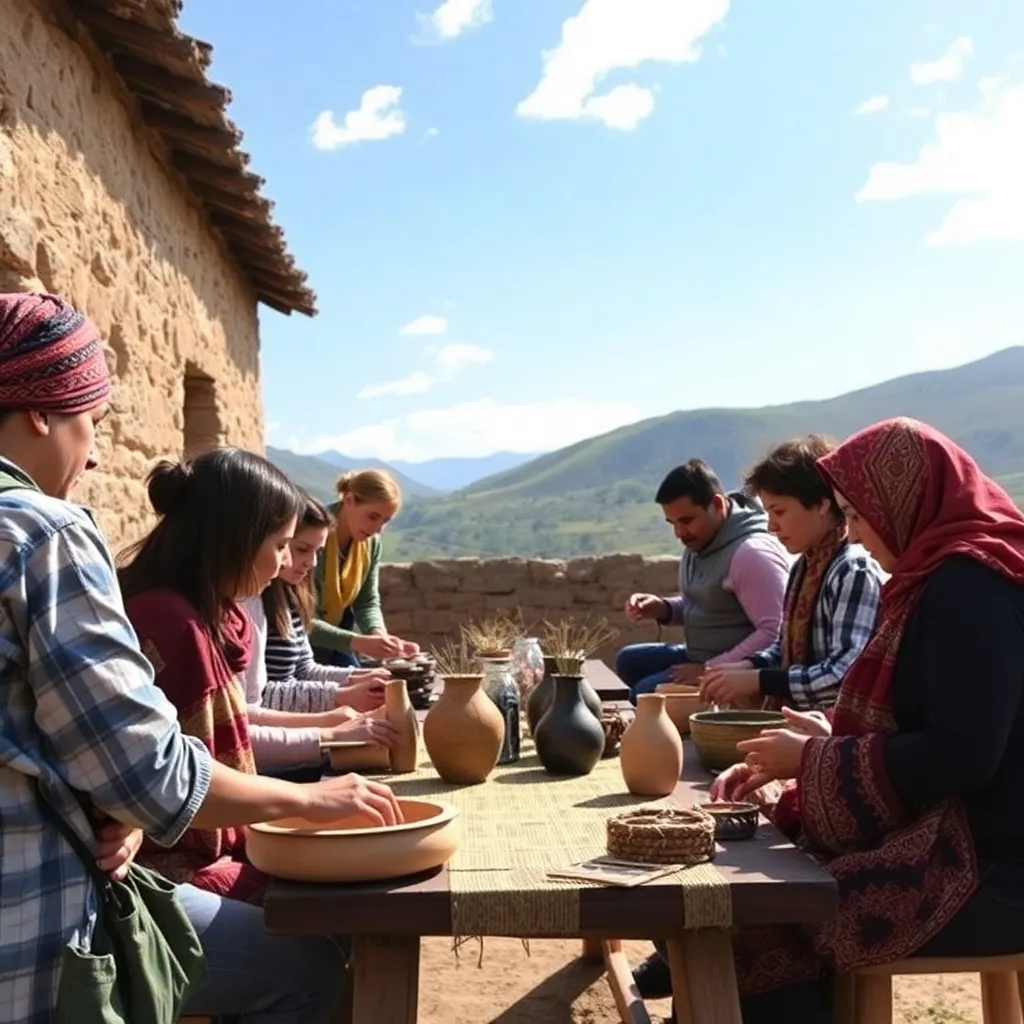
Interaction with local artisans
Another essential pillar of sustainable rural tourism is tangible support for local communities. Although enjoying a countryside getaway is the main objective, we cannot overlook the implications that tourism has on the economy and culture of those who inhabit these destinations.
How is this support achieved? First, by opting for accommodations managed by families or local cooperatives, where the money invested in your stay directly benefits the inhabitants of the area. In many villages, tourism is their main source of income. By choosing these establishments instead of large chains operating from afar, we contribute to the wealth generated being channeled into community improvements, creating employment, and promoting the population’s connection to their territory.
Moreover, there are forms of help beyond mere economic spending. Participating in activities offered by the local population, such as craft workshops, visits to agroecological farms, or guided historical routes, not only promotes the culture of these places but also gives visibility to their heritage, cultural assets, and the passion their people invest in preserving ancestral customs and trades.
An example of this collaboration is fair trade, which can be reflected in the purchase of local products such as cheeses, wines, jams, cured meats, or crafts. Many rural families depend on these products for their livelihood, and it is gratifying to enjoy the high quality they usually offer. Shopping at weekly markets or local producer fairs is a great way to support them and, in return, access fresh and artisanal foods difficult to find in big cities.
Furthermore, during your stay, it is common for the rural community to share its customs with visitors. From typical gastronomy to traditional festivities, these events allow us to learn firsthand the essence of local culture. Participating with respect and curiosity is the key, avoiding attitudes that could be invasive or that reduce the community’s identity to mere commodities.
To close this section, it is important to emphasize the idea that sustainable tourism is not limited to contemplating the environment but rather integrates it through collaborative actions and exchange. This goes beyond mere economic transaction, as it promotes cultural sisterhood and the formation of affective bonds that contribute to regional development and the preservation of local identity. And in the end, the traveler leaves equally enriched as the local people themselves.
Find Affordable and Charming Rural Accommodations
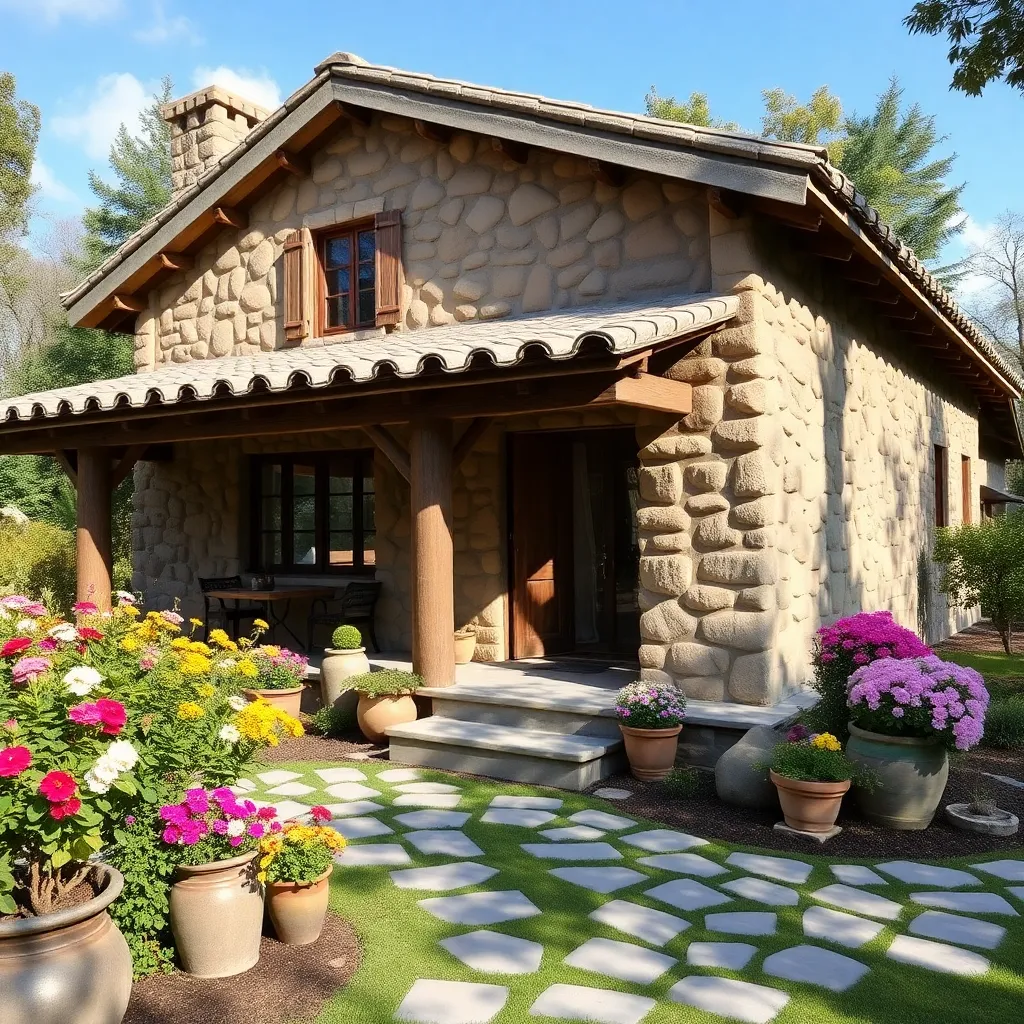
Charming stone rural house
One of the great attractions of rural tourism is the possibility of choosing accommodation options that fit different budgets. Far from luxurious resorts or chain hotels, we can find a varied offer of affordable rural accommodations that preserve the charm of the surroundings and offer the warmth of local hospitality. This diversity makes rural tourism accessible for groups of friends, families with children, or solo travelers seeking peace and quiet.
Below, we will explore some of the most common alternatives for lodging without spending a fortune. You will discover that, contrary to what many think, the word “affordable” is not incompatible with comfort, unforgettable views, and opportunities to learn more about the culture that welcomes you.
Rural Houses, Charming Hotels, and More Options
First of all, it is important to know that rural accommodations present many different formulas. Among the most popular are rural houses, many of which are old rehabilitated constructions, transformed into welcoming spaces full of history. Some operate as bed & breakfast, offering breakfast with local products, while others are rented in their entirety, ideal for sharing with a group of friends or a large family.
Renting a complete rural house can be especially affordable if you go with several people, since the cost of the stay is shared. This allows for a greater degree of freedom, as it usually includes a kitchen for guests’ use, gardens or patios to enjoy outdoors, and sometimes even fireplaces for cold nights. Undoubtedly, it is an interesting option if you want to take a group disconnection trip or if you plan collective activities such as barbecues, traditional cooking workshops, or private celebrations.
On the other hand, small family-run establishments continue to exist that offer charming rooms, such as inns, lodges, and rural hotels. Although at first glance they may resemble traditional accommodations, the great difference lies in the personalized treatment and closeness with the owners. These types of hotels are usually located in historic buildings or constructions with an interesting past, and have been equipped for tourism while respecting local architecture. Those traveling as a couple or preferring something more intimate will find here a magnificent alternative.
The rise of collaborative accommodation platforms has also impacted the rural sector, multiplying accommodation alternatives. You can rent rooms in family homes, cabins, and even small farms on a full rental basis. Each option has its own particularities, so it is advisable to compare reviews from other travelers before booking.
If your budget is even tighter, look for camping or “glamping” (camps with a more luxurious touch) deals. Many villages have areas set up for tents or caravans, and their prices are usually quite affordable. For those wishing a singular experience, there are innovative ecological camps built with recycled materials or that offer the possibility of sleeping in tree cabins, geodesic domes, or tipis. All of them are ways to get close to nature and, at the same time, enjoy a memorable experience, since nowhere else do you sleep so close to the Milky Way and the songs of birds.
In short, the key to finding the best value for money usually lies in searching with sufficient advance notice, comparing different options, and carefully reading reviews from other travelers. Specialized websites and forums on rural tourism can offer you very valuable information, and do not forget to take into account local travelers who can open your eyes to lesser-known destinations, where costs can be even lower.
Enjoy the Comfort and Authenticity of the Rural Environment
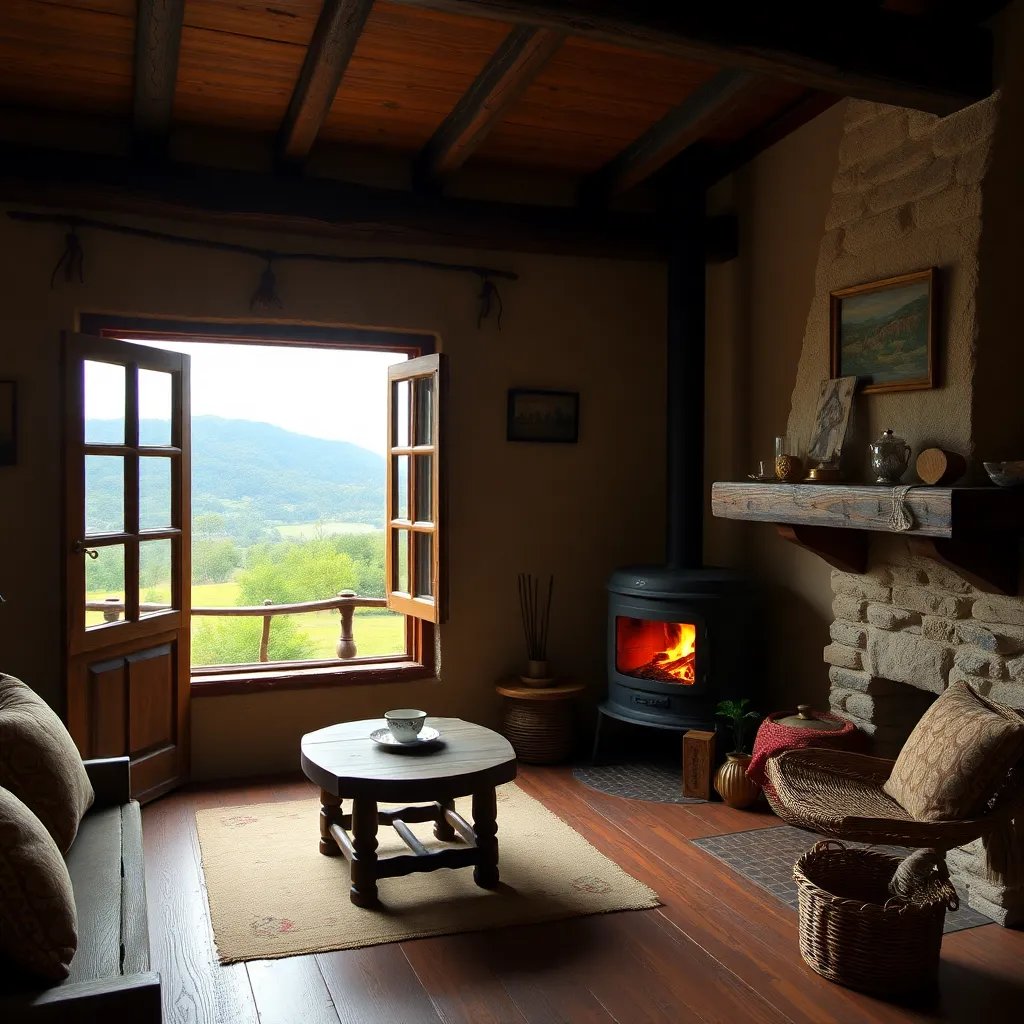
Comfort and authenticity in a rural environment
Authenticity is, without a doubt, one of the most enriching aspects of the rural experience. Unlike mass tourist destinations, where standardized establishments abound, the countryside respects traditions, and comfort is understood differently. This does not mean giving up small luxuries or modern comforts but rather integrating them harmoniously into an environment that prioritizes quiet living and respect for nature.
Most accommodations in rural settings are designed to make you feel at home. Whether they feature simple furnishings or a delicate rustic style, these places preserve details that remind us where we are: wooden ceilings, terracotta floors, stone fireplaces, flowering gardens, and sometimes farm animals. This contrast with urban life adds a touch of magic and serenity.
Of course, comfort depends not only on infrastructure but also on human treatment. In family-run accommodations, it is common for the owners themselves to make every effort to share with you anecdotes about local history and advice about the best places to visit. Such closeness creates a warm atmosphere, breaks the barrier between visitor and host, and makes any additional suggestion or help flow naturally.
The flavor of the rural setting is completed with gastronomy based on fresh and seasonal products. Many establishments offer breakfasts with artisanal cheeses, honey from their own harvest, cured meats, and homemade bread. When mealtime arrives, ingredients usually come directly from nearby gardens or local farms. This closeness to the food source results in simple yet exquisite dishes, enriched by the seasoning of centuries of culinary tradition.
Another aspect that makes staying in a rural environment so rewarding is the possibility of experiencing disconnection. Sometimes, access to internet can be limited or non-existent, which causes some travelers discomfort at first. However, this “digital disconnection” is actually a great opportunity to reconnect with nature, with yourself, and with the people around you. At the same time, the lack of large shopping centers or crowded nightclubs encourages us to explore the surroundings, converse with people, and participate in simple yet profound activities, such as stargazing, caring for animals, or reading a good book in the shade of an old oak.
Authenticity, therefore, does not consist only of aesthetic appearance but of the complete experience of a different rhythm of life, where the relationship with time, food, and the land constitutes the essential difference with other types of tourism. And although it may be a drastic change compared to the artificial comfort offered by the city, it is usually a truly restorative and nourishing experience.
Unforgettable Activities in the Heart of Nature
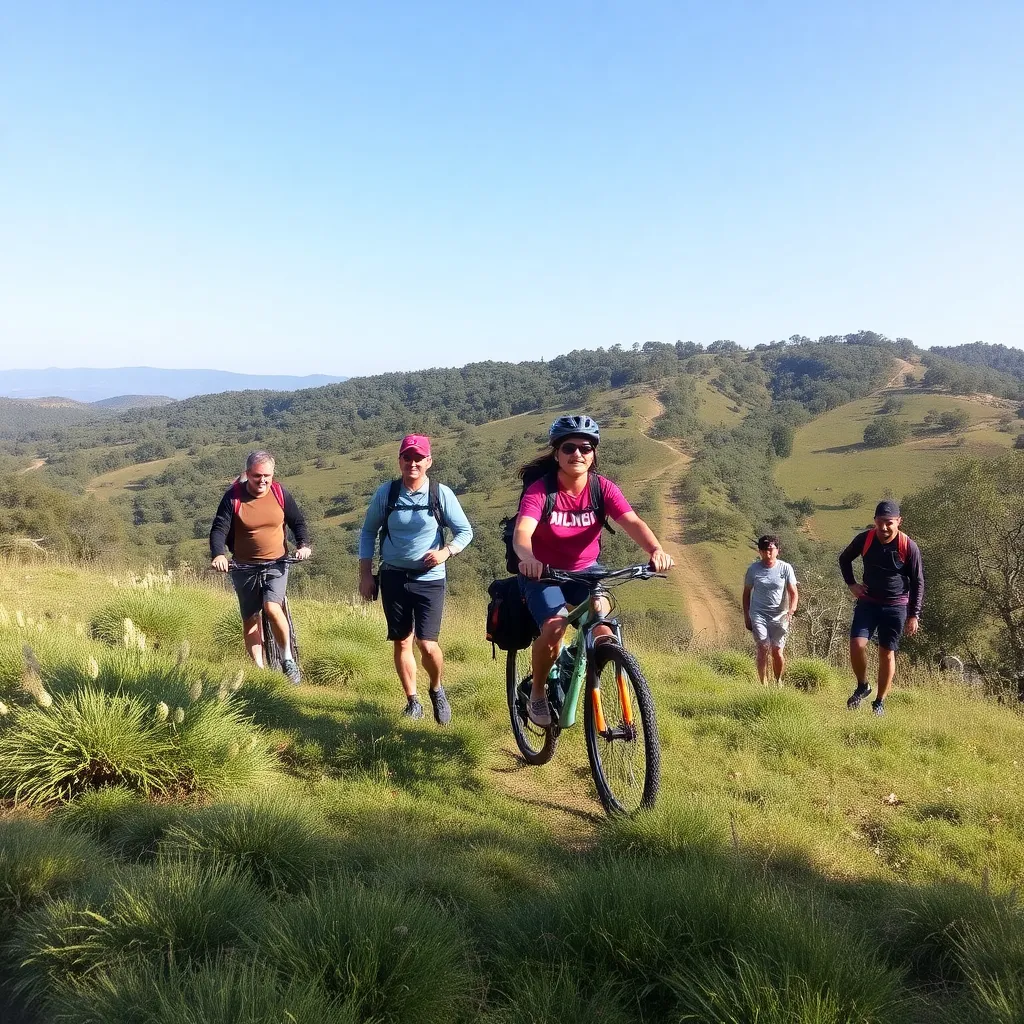
Enjoying nature
Rural tourism is not limited to contemplating landscapes and savoring local gastronomy. For those seeking dynamic experiences, rural environments offer countless possibilities for recreation in the heart of nature. These activities awaken the senses, bring people together, and allow you to discover the secrets of the environment you visit. Below, we will explore some of the most popular options, perfect for adding a touch of adventure or learning to your getaway.
Hiking, Biking Routes, and Landscape Exploration
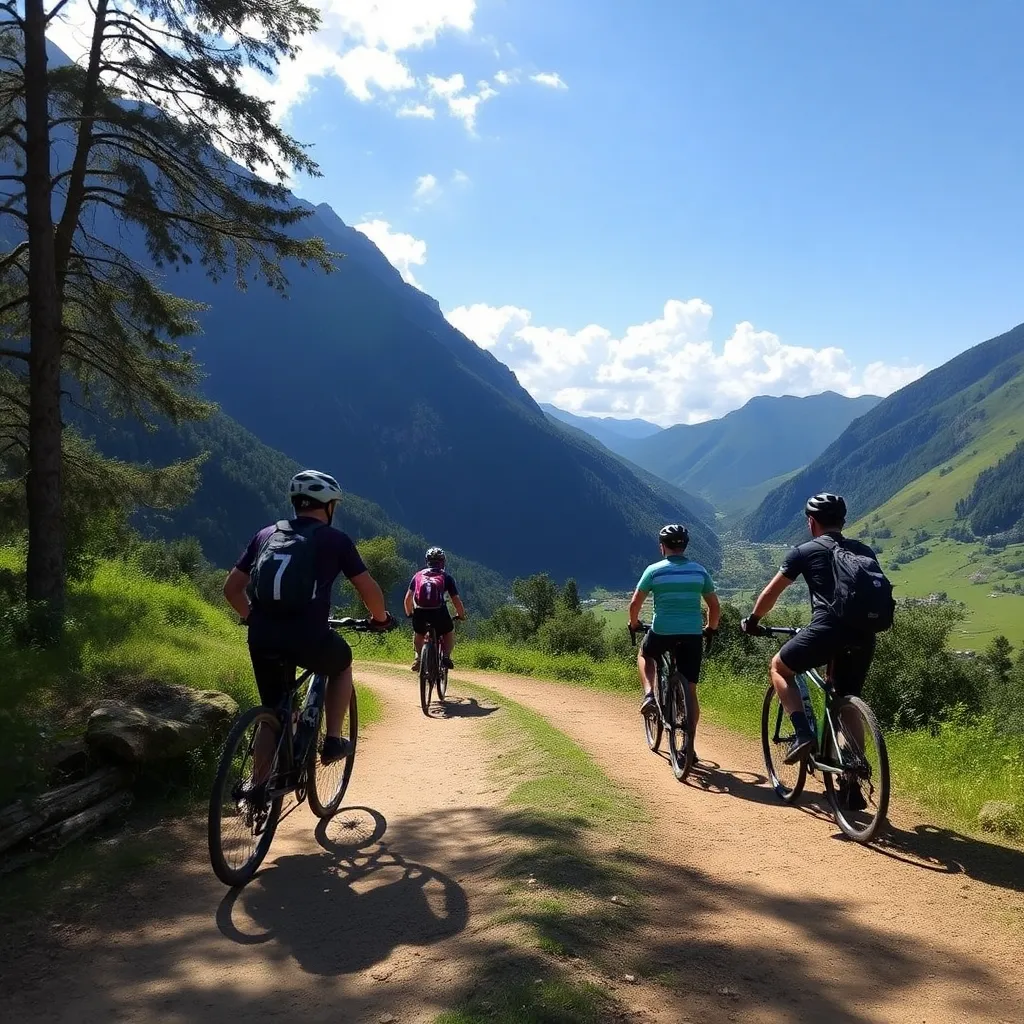
Cyclists enjoying the rural landscape
Both hiking and cycling are excellent ways to venture into nature without disturbing it. With the help of marked paths and routes, it is possible to enjoy spectacular panoramas, access natural viewpoints, and visit remote places of great environmental richness. In many rural destinations, local organizations are responsible for maintaining the trails, ensuring they are clearly marked to prevent travelers from getting lost.
Hiking through mountain terrain or around nature reserves is an excellent opportunity to exercise your body and absorb the beauty offered by forests and valleys. The leisurely pace allows you to notice details that might otherwise go unnoticed: types of vegetation, animal tracks, small streams, singular geological formations, and swarms of insects vital for pollination. For their part, biking routes are ideal for those who wish to cover greater distances in less time, enjoy fast descents, and get an extra component of fun.
These activities are suitable for both the most experienced and beginners, as there are usually routes of different difficulty levels. The most advisable thing is to inquire at the local tourism office or through specialized guides, who can indicate the safest routes with the best panoramic views. Many places offer detailed maps and advice on necessary equipment. You can also rent bicycles, trekking poles, and other implements, thus facilitating the experience for tourists who don’t have their own gear.
Beyond the positive impact on health, since walking or cycling helps us stay fit, the landscape experience leaves an indelible mark. In the middle of routes, it is common to find crystal-clear rivers where you can refresh yourself, waterfalls where you can rest for a few minutes, meadows covered with flowers, and viewpoints from which you can see extensive valleys. When one stops to admire the immensity of the surroundings, the bustle of cities seems distant and time seems to expand.
If you travel with children, you will love to see them enjoying complete freedom. They will love climbing trees, picking wild berries (if the season allows), and discovering small amphibians or insects. The curiosity of the little ones can be the perfect engine for a didactic adventure; teach them to navigate with a map, to recognize animal tracks, or to classify simple plants. Reclaiming that natural contact as a family strengthens bonds and creates memories that will be fondly remembered for a long time.
Discover Local Gastronomy and Fresh Products

Local gastronomic delights
It has always been said that getting to know a destination also means tasting its most emblematic dishes. Rural tourism, in this sense, is a true festival for the palate, as it makes ancestral culinary preparations and proximity products available, usually sold directly to the consumer.
Countryside getaways will allow you to attend gastronomic fairs or agricultural markets where local farmers and ranchers display the fruits of their labor. Artisanal cheeses made with freshly milked dairy, fruits and vegetables picked just hours before, honey with a thousand nuances depending on local blooming, breads baked with time-honored recipes, homemade cured meats, and much more. In addition to being delicious, these products are made respectfully toward the earth and animals, avoiding chemical products and prioritizing quality.
Visiting ecological farms or ranches is another valuable option for lovers of traditional cooking. In these places, you can learn how vegetables are grown, for example, or how chickens and cows are raised in freer conditions. Likewise, you will understand that the connection between climate, soil fertility, and the cycle of seasons is fundamental to obtaining healthy and tasty food.
Moreover, many rural accommodations organize dinners or workshops where typical regional recipes are taught using ingredients from their own harvest. Learning to prepare traditional dishes, such as stews, roasts, sauces, or emblematic desserts, can be a pleasant experience for travelers passionate about gastronomy. Tasting these elaborations after having cultivated or harvested some of their ingredients refreshes our perception of cooking, making us more conscious.
For those who prefer a more relaxed approach, simply sitting on the terrace of a rural inn and letting the host guide you will suffice. This type of experience invites you to savor, without haste, homemade dishes and pair them with wine, cider, or artisanal beers made in the region. Nothing better than ending the evening with a pleasant after-dinner conversation, listening to tales of yesteryear or anecdotes about rural life, while crickets sing their night song.
Benefits of Disconnecting and Relaxing in a Rural Environment
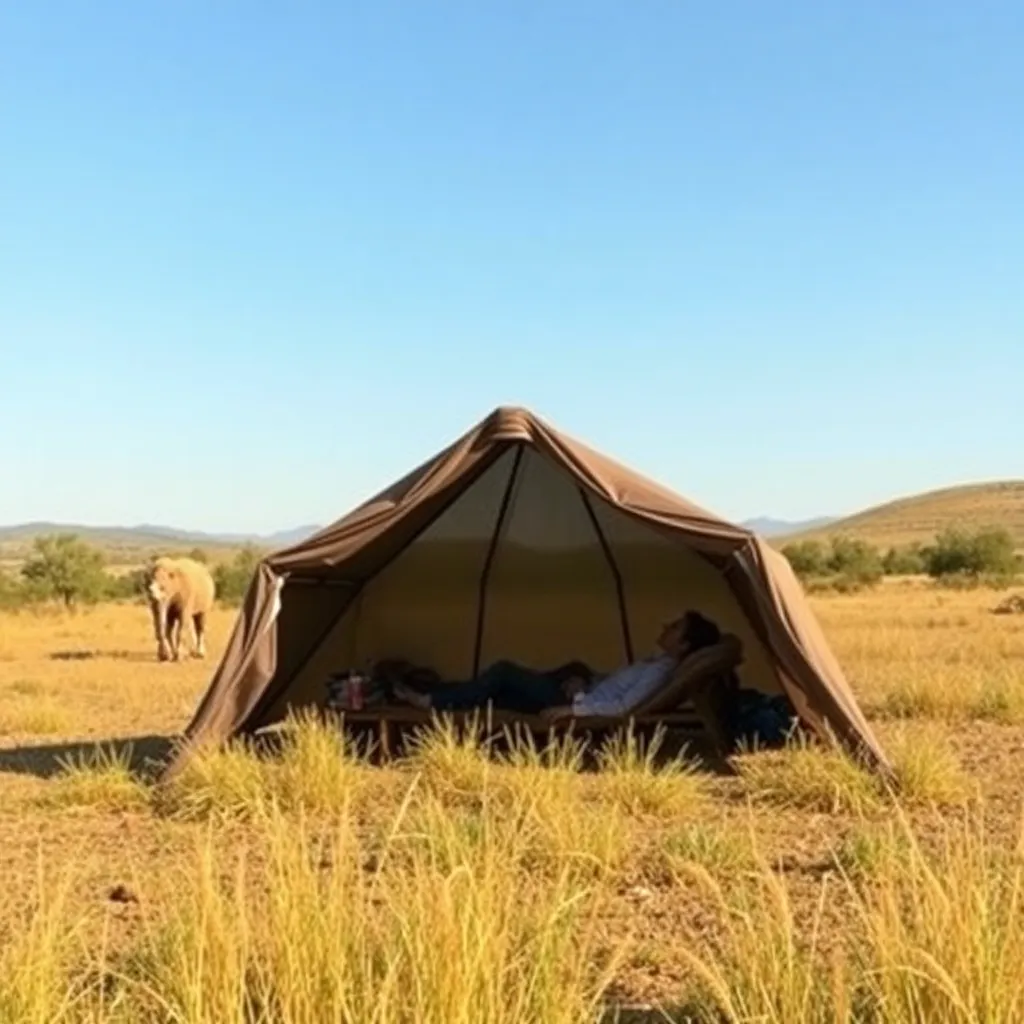
Relaxation in the countryside
In a world dominated by rush, constant noise, and hyperconnectivity, spaces and moments of disconnection are increasingly necessary. Rural tourism offers a haven of peace and a unique opportunity to rediscover the essence of life, reduce stress levels, and care for our physical and mental health. In this section, we will analyze in detail what these benefits are and why it is worth reserving a few days to enjoy them.
Breathe Pure Air and Enjoy Tranquility
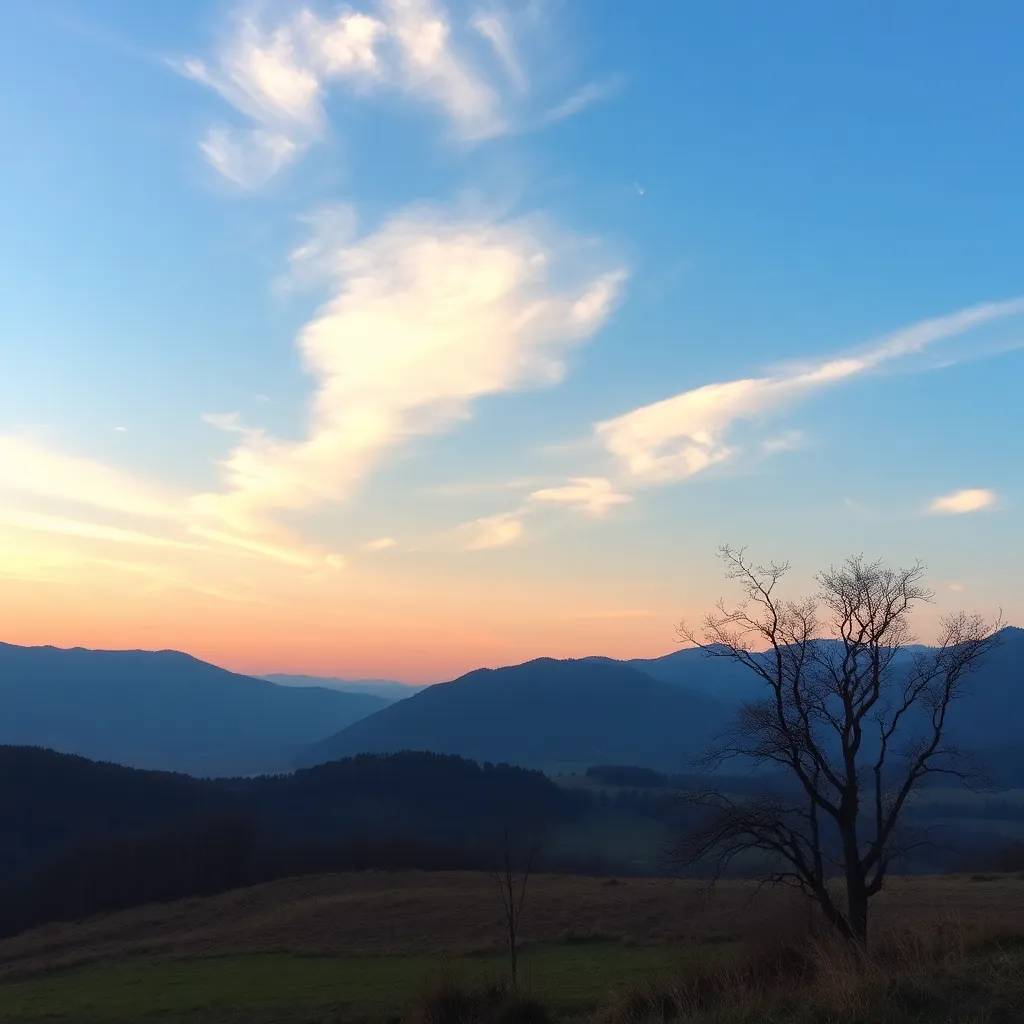
Sunrise over a rural landscape
The first obvious advantage of spending a few days in the heart of nature is the ability to breathe pure air, free from the pollution that usually permeates cities and industrial areas. Feeling oxygen revitalize every cell in your body, noticing how your lungs free themselves from smoke and pollution, and beholding a clear sky instead of clouds of smog is truly comforting.
But health improves not only from oxygen. Escaping urban stress has a positive impact on our mind, reducing feelings of anxiety and mental exhaustion. In a small village or in the middle of the mountains, the pace is much calmer. Routines adjust to sunlight, people greet each other leisurely, and human closeness is prioritized. That atmosphere invites you to slow down, release tension, and rediscover the serenity that is often lost amid traffic and endless phone notifications.
To enhance these relaxing effects, it is common for certain rural accommodations to offer spaces designed for rest. Terraces overlooking a green valley, corners with hammocks under the trees, gardens surrounded by flowers, or paths leading to silent viewpoints. If we add to all this the song of birds at dawn, the crackle of firewood in the fireplace, the whisper of wind coursing through the branches, and the whistle of crickets in the night, we will discover that the best melody is orchestrated by nature itself.
Furthermore, the tranquility of the rural environment helps us reconnect with ourselves. Often, urban stress combines with excessive digital dependency. In the countryside, where internet is not always so fast, there is an opportunity to turn off your phone and allow genuine conversations, daytime walks, and reading a good book to be your main entertainment. This type of temporary disconnection can be a balm that revitalizes the mind and body, helping us return to daily life with renewed energy.
Even sleep acquires another dimension. Although some people are surprised by the absence of noise, they soon discover that darkness and night silence are allies for deep rest. Many rural localities are far from light pollution, which facilitates seeing the firmament studded with stars with an intoxicating clarity. This experience, which city dwellers rarely can live, is one of the simplest and yet most sublime pleasures of rural tourism.


 Español
 English
0 Comments