Borjomi-Kharagauli National Park: trekking and pristine nature in Georgia
Borjomi-Kharagauli National Park, covering over 85,000 hectares, is one of Europe's most extensive national parks. Established in 1995, it protects a territory of extraordinary natural diversity in the heart of Georgia, spanning the Borjomi and Kharagauli districts in the Lesser Caucasus mountain range.
Ecosystems and biodiversity: from forests to alpine meadows
The park encompasses an astonishing variety of ecosystems that change with altitude: from deciduous and mixed forests at lower elevations to alpine meadows and permanent snowfields at the summits. This diversity of habitats supports exceptional wildlife including Caucasian deer, brown bears, wolves, wild boar and lynx, along with over 180 catalogued bird species.
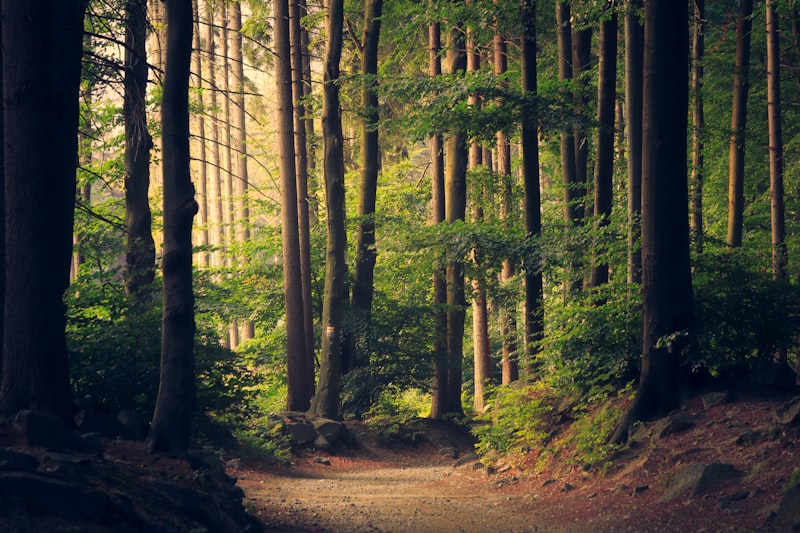
Trekking routes: for all levels
The park offers a network of marked trails for multi-day trekking, with mountain huts and designated camping areas. The most popular routes connect the town of Borjomi with the Kharagauli section, crossing landscapes of forest and mountain scenery of great beauty. There are also day routes for visitors with less time or less mountain experience.
Main routes and points of interest
- Borjomi–Kharagauli route: 5–7 day traverse through the heart of the park.
- Likani trail: day route from the Borjomi spa town.
- Atskuri area: ancient medieval fortress on the edge of the park.
- Tba alpine meadows: mountain lakes at over 2,000 m altitude.
Historical heritage within the park
In addition to its natural richness, the park contains historic monuments and traces of ancient civilisations: medieval churches, defensive towers and remains of villages that add a unique cultural dimension to the trekking experience.
The spa town of Borjomi, world-famous for its mineral waters, serves as the gateway to the park. Combine trekking with the open-air sulphur pools of Borjomi for a complete experience.
Frequently asked questions
What can you do in Borjomi-Kharagauli National Park?
The park offers multi-day trekking with mountain huts, day hiking, wildlife watching (bears, deer, wolves), horse riding and visits to medieval historic monuments within the park. It is the most important nature destination in the Georgian interior.
When is the best time to visit the park?
The best time for trekking is June to September, when trails are clear of snow and alpine meadows are in bloom. In spring (May) the park is very green but there may be snow at higher elevations. In autumn the forests offer a spectacular palette of colours.
Do you need a guide for trekking in Borjomi-Kharagauli?
It is not mandatory, but strongly recommended for multi-day routes. The park visitor centre in Borjomi provides information on certified local guides, equipment hire and trail maps.


