An unforgettable experience exploring the wonders of Azerbaijan and Georgia, two fascinating destinations that combine millennia of history, vibrant culture and impressive landscapes. This 7-day itinerary is designed for those seeking a unique cultural adventure in the heart of the Caucasus. From the modernity of Baku to the tradition of Tbilisi, you'll immerse yourself in a journey full of contrasts where each day has a new story to tell. Enjoy the futuristic architecture, the mysteries of Gobustan, the ancient winemaking traditions, and the warm hospitality that defines this unique region.
Your journey begins in the dynamic city of Baku, exploring the Absheron Peninsula and Gobustan National Park, famous for its rock paintings and mud volcanoes. You'll continue to Shamaki and Sheki, where you'll discover historic treasures such as the Palace of the Sheki Khans. Then you'll cross the border into Georgia, visiting a traditional winery in Lagodekhi before reaching Tbilisi, a city that will captivate you with its blend of medieval and modern architecture. The final day includes a guided city tour of Tbilisi, uncovering its charms in detail. This itinerary allows you to connect with the cultural roots of the region while enjoying unforgettable landscapes and experiences. Get ready for a unique adventure in the Caucasus!
Itinerary
Day 1 - Transfer from Baku Airport to Baku
Total driving distance - 20KM 0 Hours 30 Minutes Transfer at the scheduled time Drive 20KM 0 Hours 30 MinutesDay 2 - Baku - Absheron - Baku
Total driving distance - 94KM 2 Hours 4 Minutes After breakfast at the hotel, we start our adventure. We plan to visit the following: Drive 9KM 0 Hours 25 MinutesShirvanshahs Palace
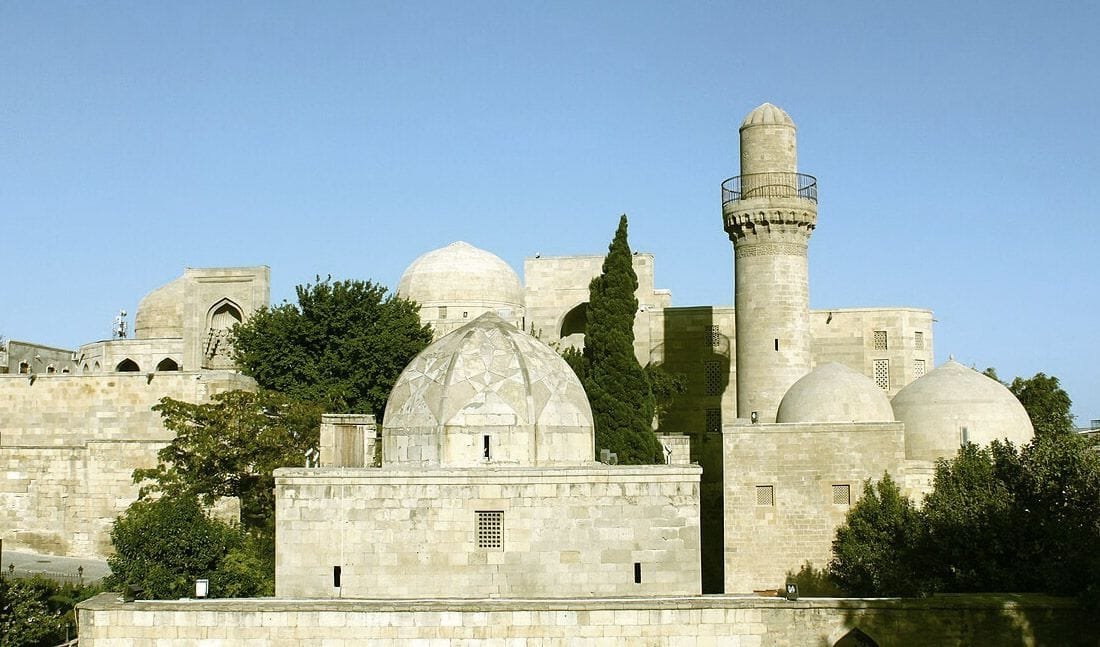 The Shirvanshahs Palace rises majestically in the heart of Baku's Old City, capital of Azerbaijan, as a testament to the splendour of the 15th-century Shirvanshah dynasty. This medieval palace complex, declared a UNESCO World Heritage Site, encompasses various buildings including the divan, the family mausoleum and the palace mosque, all built from the distinctive local limestone. The architecture blends elements of the Shirvan-Absheron style with Persian and Islamic influences, noted for its intricate portals and delicate ornamental carvings. During our visit, we will explore the palace's many chambers, admire panoramic views of Baku Bay from its terraces and immerse ourselves in the fascinating history of the Shirvanshahs through their ceremonial halls and archaeological exhibitions.
Drive 21KM 0 Hours 30 Minutes
The Shirvanshahs Palace rises majestically in the heart of Baku's Old City, capital of Azerbaijan, as a testament to the splendour of the 15th-century Shirvanshah dynasty. This medieval palace complex, declared a UNESCO World Heritage Site, encompasses various buildings including the divan, the family mausoleum and the palace mosque, all built from the distinctive local limestone. The architecture blends elements of the Shirvan-Absheron style with Persian and Islamic influences, noted for its intricate portals and delicate ornamental carvings. During our visit, we will explore the palace's many chambers, admire panoramic views of Baku Bay from its terraces and immerse ourselves in the fascinating history of the Shirvanshahs through their ceremonial halls and archaeological exhibitions.
Drive 21KM 0 Hours 30 Minutes
Ateshgah - Fire Temple
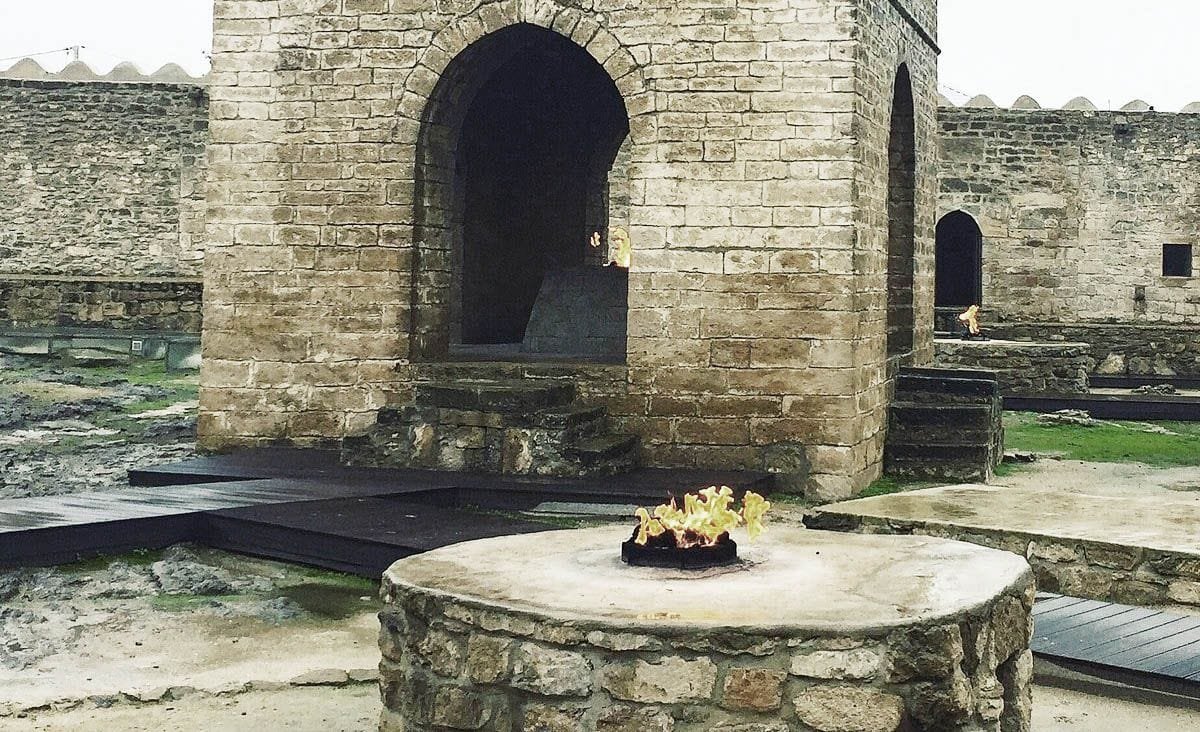 Ateshgah, known as the Baku Fire Temple, is an extraordinary religious complex located on the Absheron Peninsula in Azerbaijan. This ancient Zoroastrian temple, built in the 17th century over a natural gas vent, was an important pilgrimage centre for Hindu and Zoroastrian fire worshippers. Its unique pentagonal structure, declared a UNESCO Heritage Site, houses an eternally burning flame fed naturally and displays a fascinating blend of Persian and Indian architectural elements. During our exploration, we will marvel at the eternally burning flames, walk through the ancient pilgrim cells and immerse ourselves in the rich history of the Silk Road at this mystical site.
Drive 35KM 0 Hours 30 Minutes
Ateshgah, known as the Baku Fire Temple, is an extraordinary religious complex located on the Absheron Peninsula in Azerbaijan. This ancient Zoroastrian temple, built in the 17th century over a natural gas vent, was an important pilgrimage centre for Hindu and Zoroastrian fire worshippers. Its unique pentagonal structure, declared a UNESCO Heritage Site, houses an eternally burning flame fed naturally and displays a fascinating blend of Persian and Indian architectural elements. During our exploration, we will marvel at the eternally burning flames, walk through the ancient pilgrim cells and immerse ourselves in the rich history of the Silk Road at this mystical site.
Drive 35KM 0 Hours 30 Minutes
Yanardag - Historic, Cultural and Natural State Reserve
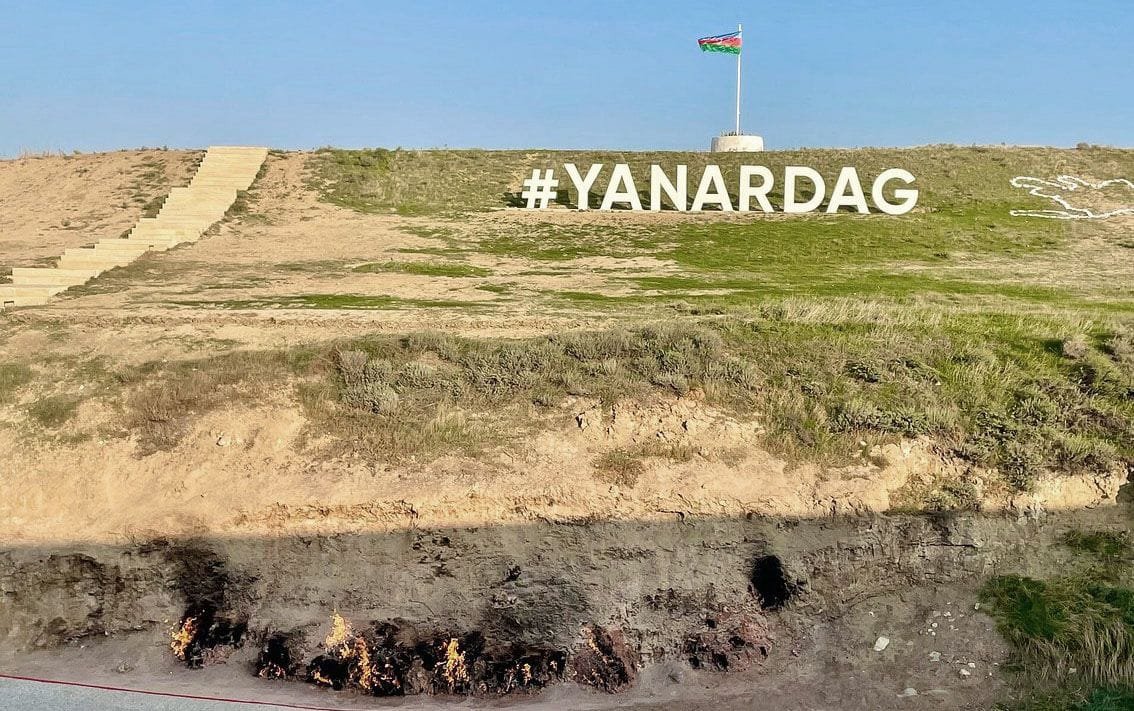 Yanardag, a breathtaking fire mountain located 27 kilometres from Baku in Azerbaijan, is an extraordinary natural phenomenon where flames continuously emerge from a porous sandstone hillside. This eternal fire, burning uninterrupted thanks to natural gas seepage, has fascinated people for centuries and was one of the reasons ancient Zoroastrians considered Azerbaijan a sacred land. The Historic, Cultural and Natural State Reserve protects this spectacular phenomenon that reaches up to 3 metres in height, standing as a living testament to why Azerbaijan is known as the "Land of Fire". During our visit, we will gaze in wonder at the dancing flames against the night sky, hear the gentle hiss of gas rising from the earth and feel the mystical warmth of this perpetual fire that has captivated travellers and pilgrims for generations.
Drive 17KM 0 Hours 35 Minutes
Yanardag, a breathtaking fire mountain located 27 kilometres from Baku in Azerbaijan, is an extraordinary natural phenomenon where flames continuously emerge from a porous sandstone hillside. This eternal fire, burning uninterrupted thanks to natural gas seepage, has fascinated people for centuries and was one of the reasons ancient Zoroastrians considered Azerbaijan a sacred land. The Historic, Cultural and Natural State Reserve protects this spectacular phenomenon that reaches up to 3 metres in height, standing as a living testament to why Azerbaijan is known as the "Land of Fire". During our visit, we will gaze in wonder at the dancing flames against the night sky, hear the gentle hiss of gas rising from the earth and feel the mystical warmth of this perpetual fire that has captivated travellers and pilgrims for generations.
Drive 17KM 0 Hours 35 Minutes
Heydar Aliyev Cultural Centre
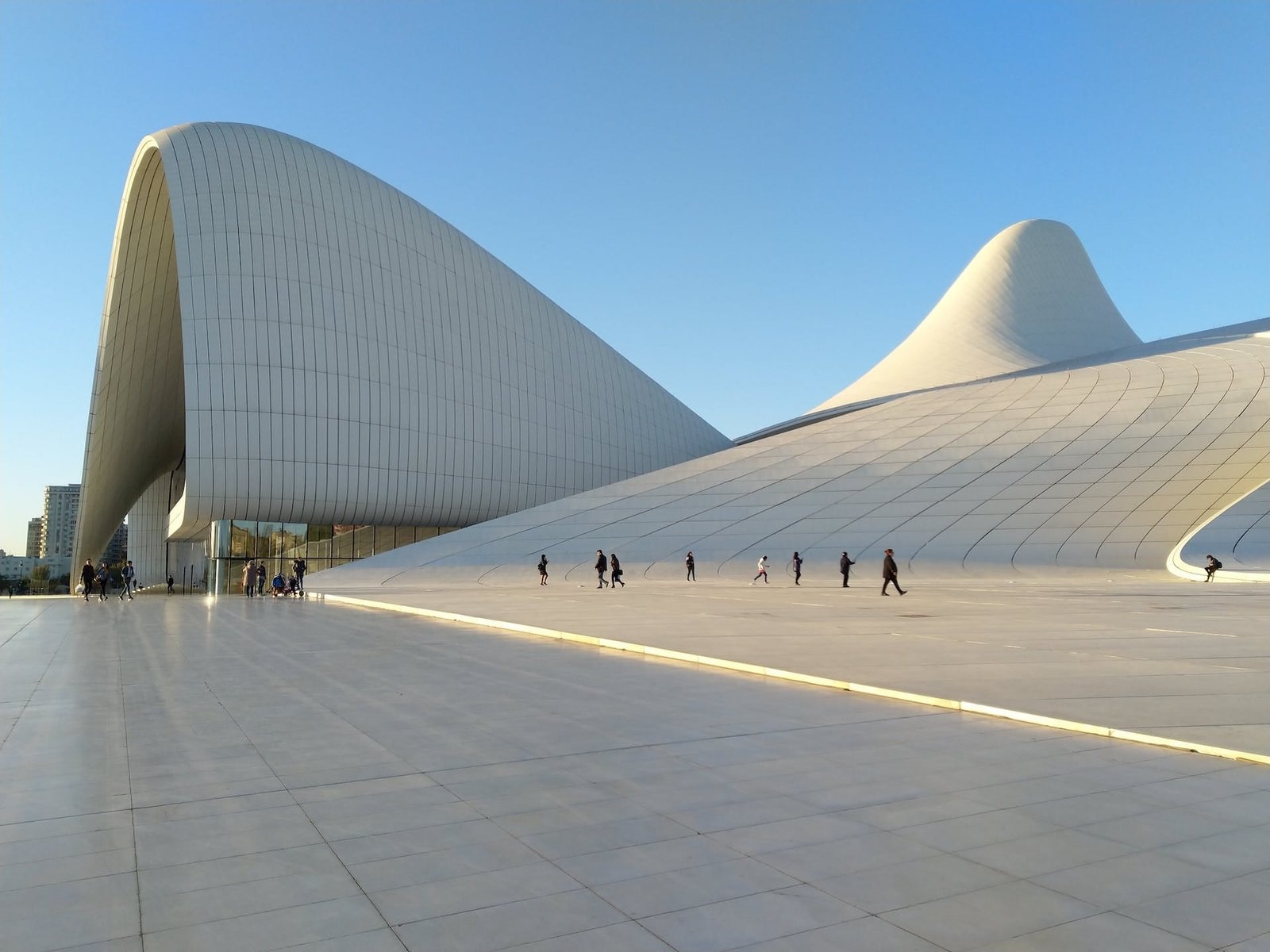 The Heydar Aliyev Cultural Centre, located in the heart of Baku, Azerbaijan, is an architectural and cultural icon designed by the renowned Zaha Hadid. This impressive building stands out for its fluid, modern curves, symbolising the union between tradition and the future. In addition to its innovative architecture, it hosts exhibitions, cultural events and interactive spaces celebrating Azerbaijani history and art. Recognised worldwide, this centre represents a milestone of contemporary design and Azerbaijan's national identity. During our visit, we will explore its fascinating galleries, admire its unique design and learn about the rich culture and history of Azerbaijan, immersing ourselves in an unforgettable experience of art and innovation.
Drive 2KM 0 Hours 4 Minutes
The Heydar Aliyev Cultural Centre, located in the heart of Baku, Azerbaijan, is an architectural and cultural icon designed by the renowned Zaha Hadid. This impressive building stands out for its fluid, modern curves, symbolising the union between tradition and the future. In addition to its innovative architecture, it hosts exhibitions, cultural events and interactive spaces celebrating Azerbaijani history and art. Recognised worldwide, this centre represents a milestone of contemporary design and Azerbaijan's national identity. During our visit, we will explore its fascinating galleries, admire its unique design and learn about the rich culture and history of Azerbaijan, immersing ourselves in an unforgettable experience of art and innovation.
Drive 2KM 0 Hours 4 Minutes
Yashil Bazar
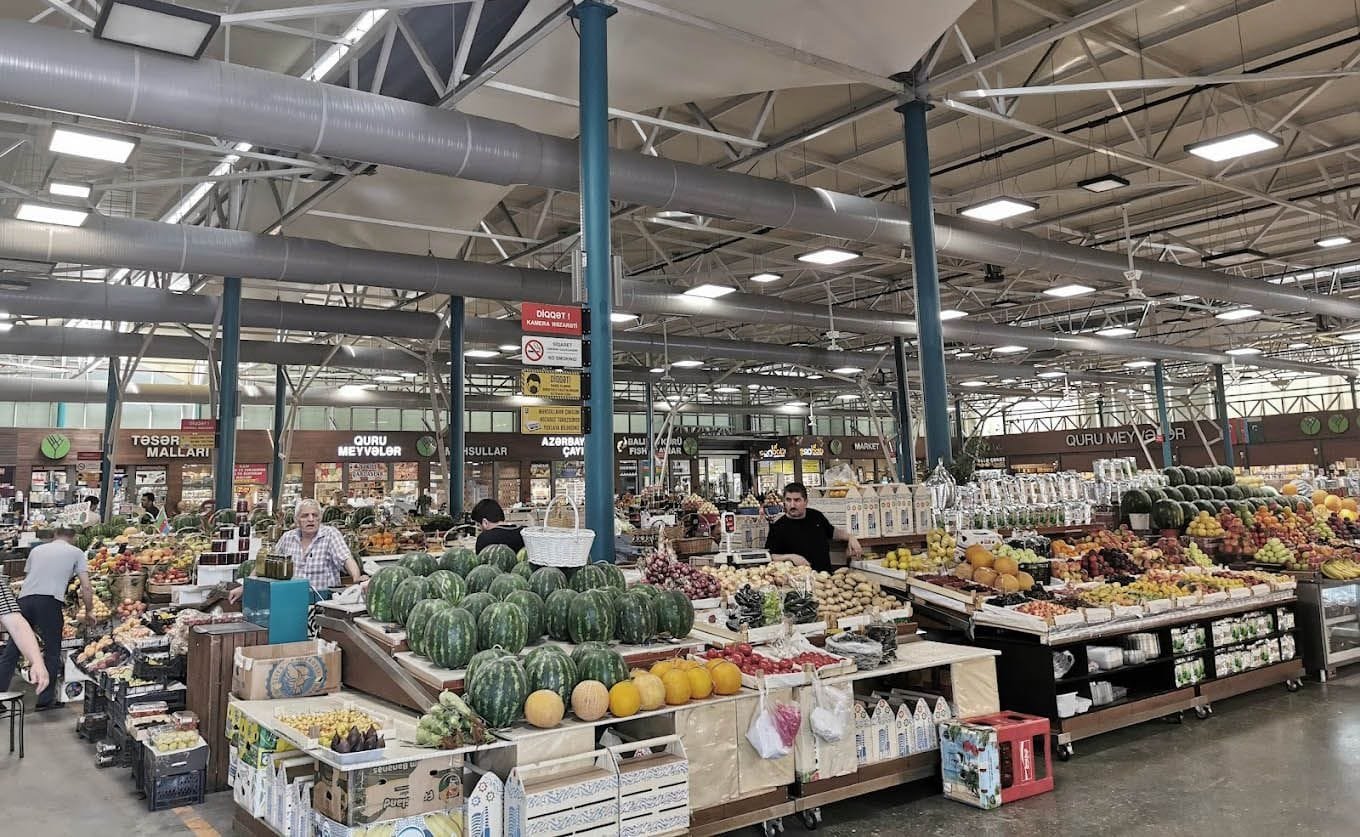 Yashil Bazar, also known as the Green Market, is one of the most vibrant and authentic traditional markets in Baku, capital of Azerbaijan. Located in the heart of the city, this bustling covered market has been the epicentre of local trade in fresh produce for generations. Its aisles display a dazzling variety of fruits, vegetables, aromatic spices, fresh herbs, dried fruits and the famous Azerbaijani pickles, all presented in the characteristic Caucasian style. The Soviet architecture of the building contrasts with the warmth and colour of the traditional stalls, where merchants keep centuries-old trading traditions alive. During our tour, we will immerse ourselves in a sensory feast of aromas and flavours, taste the delicious qurut (dried yoghurt), interact with friendly local vendors and discover the secrets of the rich Azerbaijani cuisine as we explore the lively aisles of this historic market.
Drive 10KM 0 Hours 4 Minutes
Yashil Bazar, also known as the Green Market, is one of the most vibrant and authentic traditional markets in Baku, capital of Azerbaijan. Located in the heart of the city, this bustling covered market has been the epicentre of local trade in fresh produce for generations. Its aisles display a dazzling variety of fruits, vegetables, aromatic spices, fresh herbs, dried fruits and the famous Azerbaijani pickles, all presented in the characteristic Caucasian style. The Soviet architecture of the building contrasts with the warmth and colour of the traditional stalls, where merchants keep centuries-old trading traditions alive. During our tour, we will immerse ourselves in a sensory feast of aromas and flavours, taste the delicious qurut (dried yoghurt), interact with friendly local vendors and discover the secrets of the rich Azerbaijani cuisine as we explore the lively aisles of this historic market.
Drive 10KM 0 Hours 4 Minutes
Day 3 - Baku - Gobustan - Baku
Total driving distance - 204KM 3 Hours 30 Minutes After breakfast at the hotel, we start our adventure. We plan to visit the following: Drive 70KM 1 Hour 5 MinutesGobustan Rock Art - Petroglyphs Museum
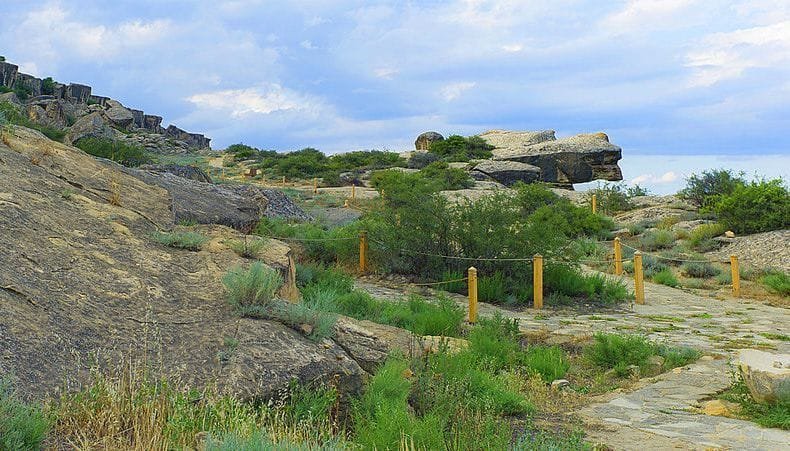 The Gobustan Petroglyphs Museum, located in Azerbaijan, is an archaeological site declared a UNESCO World Heritage Site. This open-air museum houses more than 6,000 rock carvings dating back 40,000 years, offering a glimpse into prehistoric life. Set in a desert landscape near the Caspian Sea, Gobustan also stands out for its ancient human settlements and the famous mud volcanoes that complete the unique experience of this destination.
During our visit we will admire the intricate rock engravings, explore the remains of ancient civilisations and observe the fascinating mud volcanoes that make Gobustan a truly special place.
Drive 30KM 0 Hours 50 Minutes
The Gobustan Petroglyphs Museum, located in Azerbaijan, is an archaeological site declared a UNESCO World Heritage Site. This open-air museum houses more than 6,000 rock carvings dating back 40,000 years, offering a glimpse into prehistoric life. Set in a desert landscape near the Caspian Sea, Gobustan also stands out for its ancient human settlements and the famous mud volcanoes that complete the unique experience of this destination.
During our visit we will admire the intricate rock engravings, explore the remains of ancient civilisations and observe the fascinating mud volcanoes that make Gobustan a truly special place.
Drive 30KM 0 Hours 50 Minutes
Mud Volcanoes
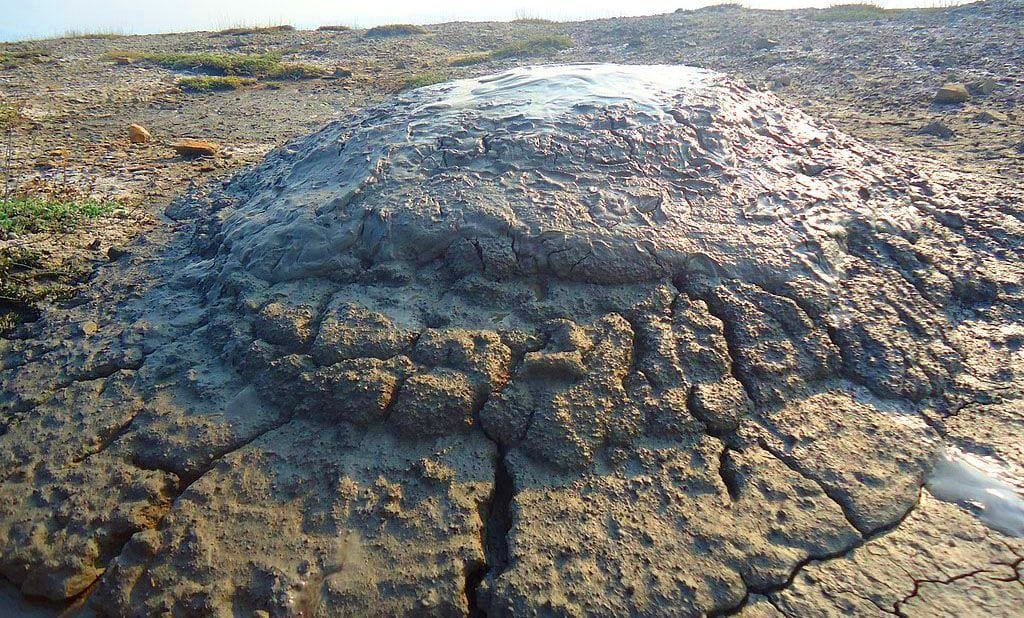 Azerbaijan's mud volcanoes represent one of the most fascinating geological phenomena of the Caucasus, located mainly on the Abşeron Peninsula and the coastal regions of the Caspian Sea. These extraordinary natural features, which account for nearly half of the world's mud volcanoes, have witnessed the rich geological history of the region for thousands of years. The lunar landscape created by more than 400 active volcanoes presents a unique spectacle where bubbling mud rises from the depths of the earth, forming cones and small eruptions that have fascinated scientists and visitors alike for generations. During our exploration, we will marvel at the spectacle of cold mud geysers bursting from the ground, experience the healing properties of these mineral muds and walk trails that wind between the volcanic cones, capturing unique photographs of this otherworldly landscape so characteristic of Azerbaijan.
Drive 84KM 1 Hour 25 Minutes
Azerbaijan's mud volcanoes represent one of the most fascinating geological phenomena of the Caucasus, located mainly on the Abşeron Peninsula and the coastal regions of the Caspian Sea. These extraordinary natural features, which account for nearly half of the world's mud volcanoes, have witnessed the rich geological history of the region for thousands of years. The lunar landscape created by more than 400 active volcanoes presents a unique spectacle where bubbling mud rises from the depths of the earth, forming cones and small eruptions that have fascinated scientists and visitors alike for generations. During our exploration, we will marvel at the spectacle of cold mud geysers bursting from the ground, experience the healing properties of these mineral muds and walk trails that wind between the volcanic cones, capturing unique photographs of this otherworldly landscape so characteristic of Azerbaijan.
Drive 84KM 1 Hour 25 Minutes
Carpet Museum
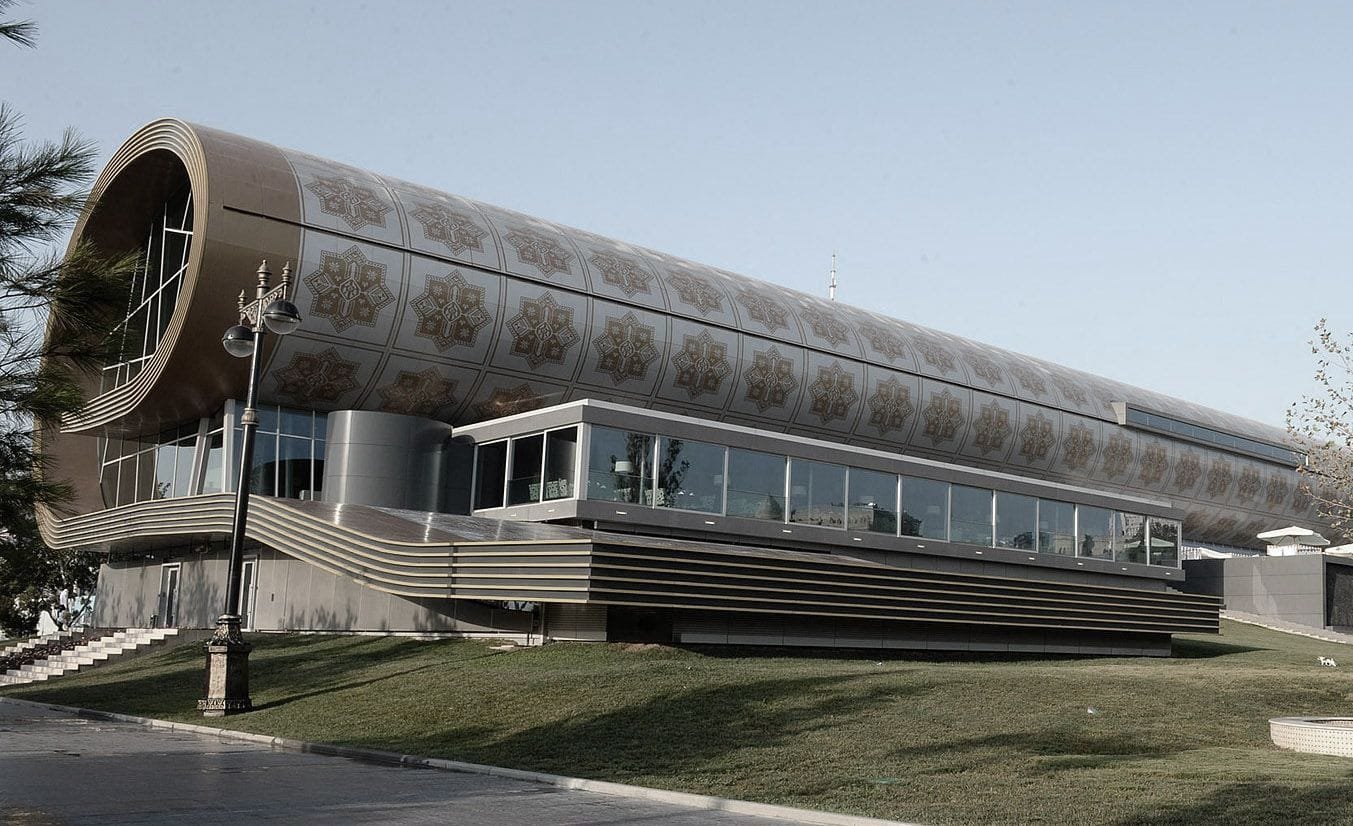 The Azerbaijan Carpet Museum, located in Baku, is a fascinating cultural space celebrating the country's rich carpet-weaving tradition, recognised by UNESCO as Intangible Cultural Heritage. Its building, designed in the shape of a rolled carpet, is a unique architectural work housing a collection of carpets, textiles and tools spanning centuries of history. This museum not only preserves traditional art but also offers a space to learn about the unique techniques and designs of Azerbaijan.
During our visit we will admire the intricate carpets, discover the secrets behind their creation and immerse ourselves in the rich cultural heritage of this outstanding museum.
Drive 20KM 0 Hours 10 Minutes
The Azerbaijan Carpet Museum, located in Baku, is a fascinating cultural space celebrating the country's rich carpet-weaving tradition, recognised by UNESCO as Intangible Cultural Heritage. Its building, designed in the shape of a rolled carpet, is a unique architectural work housing a collection of carpets, textiles and tools spanning centuries of history. This museum not only preserves traditional art but also offers a space to learn about the unique techniques and designs of Azerbaijan.
During our visit we will admire the intricate carpets, discover the secrets behind their creation and immerse ourselves in the rich cultural heritage of this outstanding museum.
Drive 20KM 0 Hours 10 Minutes
Day 4 - Baku - Shamaki - Sheki
Total driving distance - 347KM 5 Hours 27 Minutes After breakfast at the hotel, we start our adventure. We plan to visit the following: Drive 90KM 1 Hour 20 MinutesDiri Baba Mausoleum
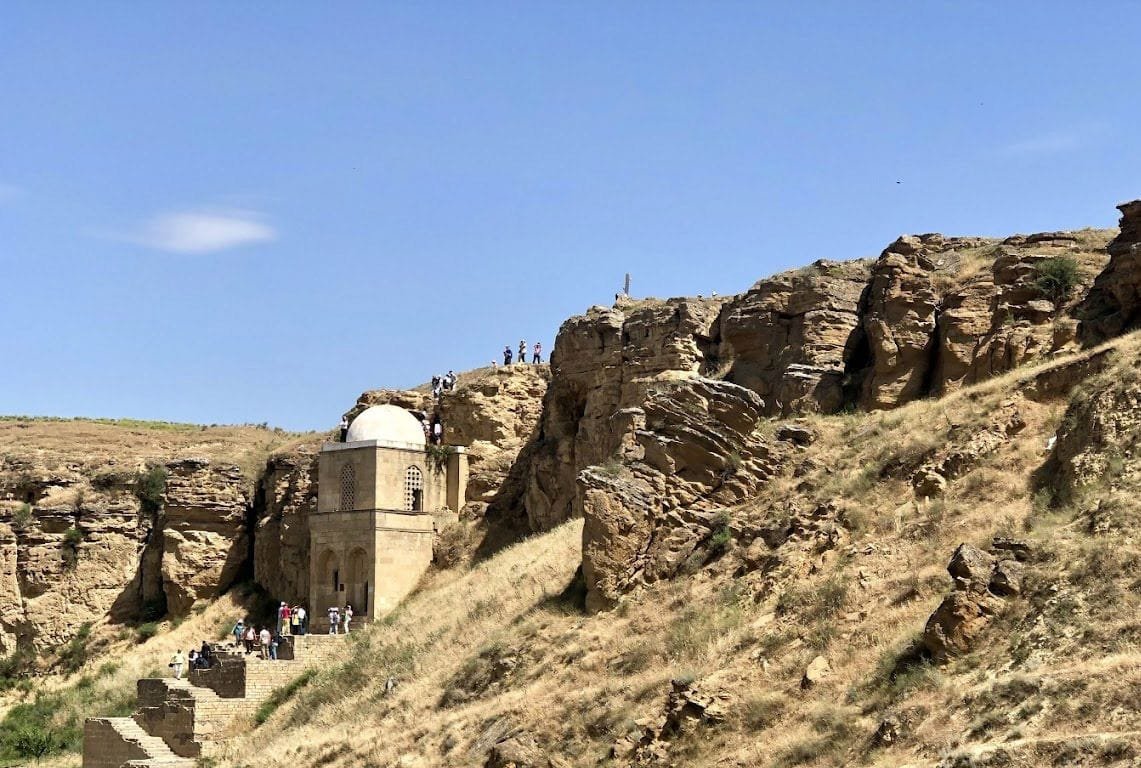 The Diri Baba Mausoleum, located in the village of Maraza, Azerbaijan, is a fascinating historical monument built in the 15th century. Carved into a cliff face, this mausoleum combines Islamic architecture with nature, creating a mystical atmosphere. Its design, with intricate stone details and a location that seems to defy gravity, makes it a unique place, wrapped in legends about its role as the sanctuary of a sacred hermit.
During our visit we will explore its intricate architecture, climb the cliff to admire the views and immerse ourselves in the stories and legends surrounding this extraordinary monument.
Drive 35KM 0 Hours 30 Minutes
The Diri Baba Mausoleum, located in the village of Maraza, Azerbaijan, is a fascinating historical monument built in the 15th century. Carved into a cliff face, this mausoleum combines Islamic architecture with nature, creating a mystical atmosphere. Its design, with intricate stone details and a location that seems to defy gravity, makes it a unique place, wrapped in legends about its role as the sanctuary of a sacred hermit.
During our visit we will explore its intricate architecture, climb the cliff to admire the views and immerse ourselves in the stories and legends surrounding this extraordinary monument.
Drive 35KM 0 Hours 30 Minutes
Seven Domes Mausoleum
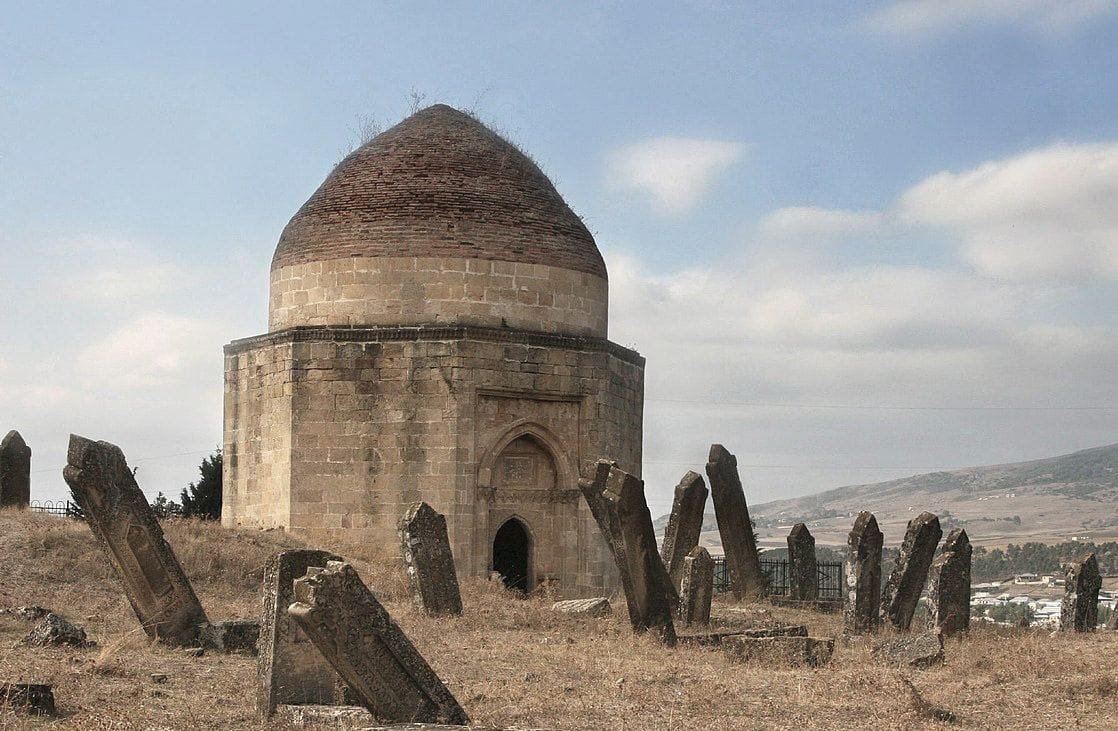 The Seven Domes Mausoleum, located in the city of Shemakha, Azerbaijan, is an impressive funerary monument dating from the 18th century. This historic site, surrounded by hills and peaceful scenery, served as the final resting place for the nobles and rulers of the Shirvan region. Its distinctive design, with multiple domes and Islamic architectural details, reflects the rich cultural and spiritual heritage of Azerbaijan.
During our visit we will explore its unique structures, appreciate the symbolism of its architecture and enjoy the serenity of the surroundings that make this place a cultural treasure.
Drive 206KM 3 Hours 2 Minutes
The Seven Domes Mausoleum, located in the city of Shemakha, Azerbaijan, is an impressive funerary monument dating from the 18th century. This historic site, surrounded by hills and peaceful scenery, served as the final resting place for the nobles and rulers of the Shirvan region. Its distinctive design, with multiple domes and Islamic architectural details, reflects the rich cultural and spiritual heritage of Azerbaijan.
During our visit we will explore its unique structures, appreciate the symbolism of its architecture and enjoy the serenity of the surroundings that make this place a cultural treasure.
Drive 206KM 3 Hours 2 Minutes
Khan's Summer Palace
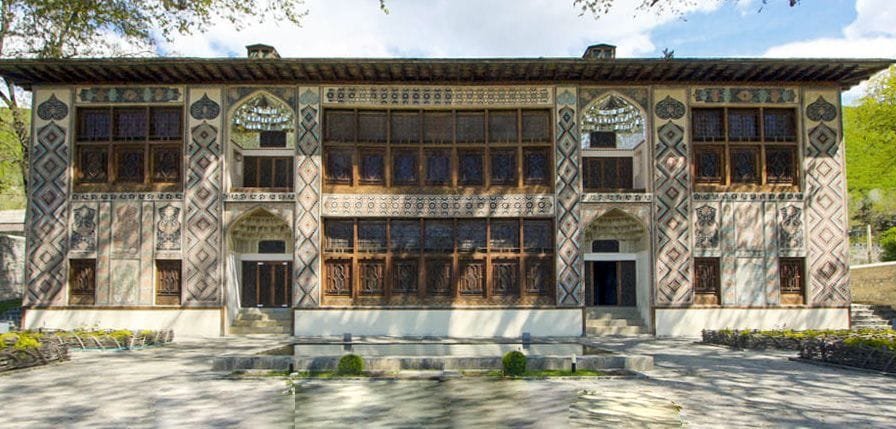 The Khan's Summer Palace, located in Sheki, Azerbaijan, is an architectural jewel of the 18th century that reflects the cultural and historical richness of the region. Built as a residence for the Khans of Sheki, this palace stands out for its exquisite design, including intricate stained-glass windows, detailed frescoes and wood carvings. Surrounded by gardens, it is an outstanding example of oriental architecture and an important testimony to the legacy of the Sheki dynasty. During our visit, we will admire its stunning stained-glass windows, explore the elegant rooms and transport ourselves back to the era of the Khans as we discover the history of this magnificent palace.
Drive 8KM 0 Hours 20 Minutes
The Khan's Summer Palace, located in Sheki, Azerbaijan, is an architectural jewel of the 18th century that reflects the cultural and historical richness of the region. Built as a residence for the Khans of Sheki, this palace stands out for its exquisite design, including intricate stained-glass windows, detailed frescoes and wood carvings. Surrounded by gardens, it is an outstanding example of oriental architecture and an important testimony to the legacy of the Sheki dynasty. During our visit, we will admire its stunning stained-glass windows, explore the elegant rooms and transport ourselves back to the era of the Khans as we discover the history of this magnificent palace.
Drive 8KM 0 Hours 20 Minutes
Albanian Church of Kish
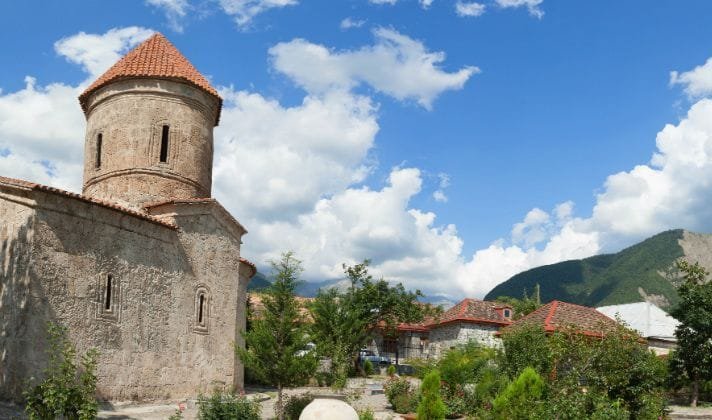 The Albanian Church of Kish, situated in the picturesque village of Kish near Sheki, Azerbaijan, is an ancient Christian temple dating from the 1st century. Considered the oldest church in the Caucasus, it was an important spiritual centre of the Caucasian Albanian kingdom. Its architecture combines local and Byzantine influences, and its mountain setting enhances its historic atmosphere. Today it functions as a museum, noted for its archaeological excavations and unique religious history.
During our visit we will explore its restored interiors, learn about the ancient civilisations that built it and enjoy the serenity of the picturesque village that surrounds it.
Drive 8KM 0 Hours 15 Minutes
The Albanian Church of Kish, situated in the picturesque village of Kish near Sheki, Azerbaijan, is an ancient Christian temple dating from the 1st century. Considered the oldest church in the Caucasus, it was an important spiritual centre of the Caucasian Albanian kingdom. Its architecture combines local and Byzantine influences, and its mountain setting enhances its historic atmosphere. Today it functions as a museum, noted for its archaeological excavations and unique religious history.
During our visit we will explore its restored interiors, learn about the ancient civilisations that built it and enjoy the serenity of the picturesque village that surrounds it.
Drive 8KM 0 Hours 15 Minutes
Day 5 - Sheki - Lagodekhi - Winery - Tbilisi
Total driving distance - 297KM 4 Hours 45 Minutes After breakfast at the hotel, we start our adventure. We plan to visit the following: Drive 110KM 1 Hour 50 MinutesLagodekhi
Cross the border between Azerbaijan and Georgia. Border formalities and change of guide and transport.Khareba Winery in the tunnel
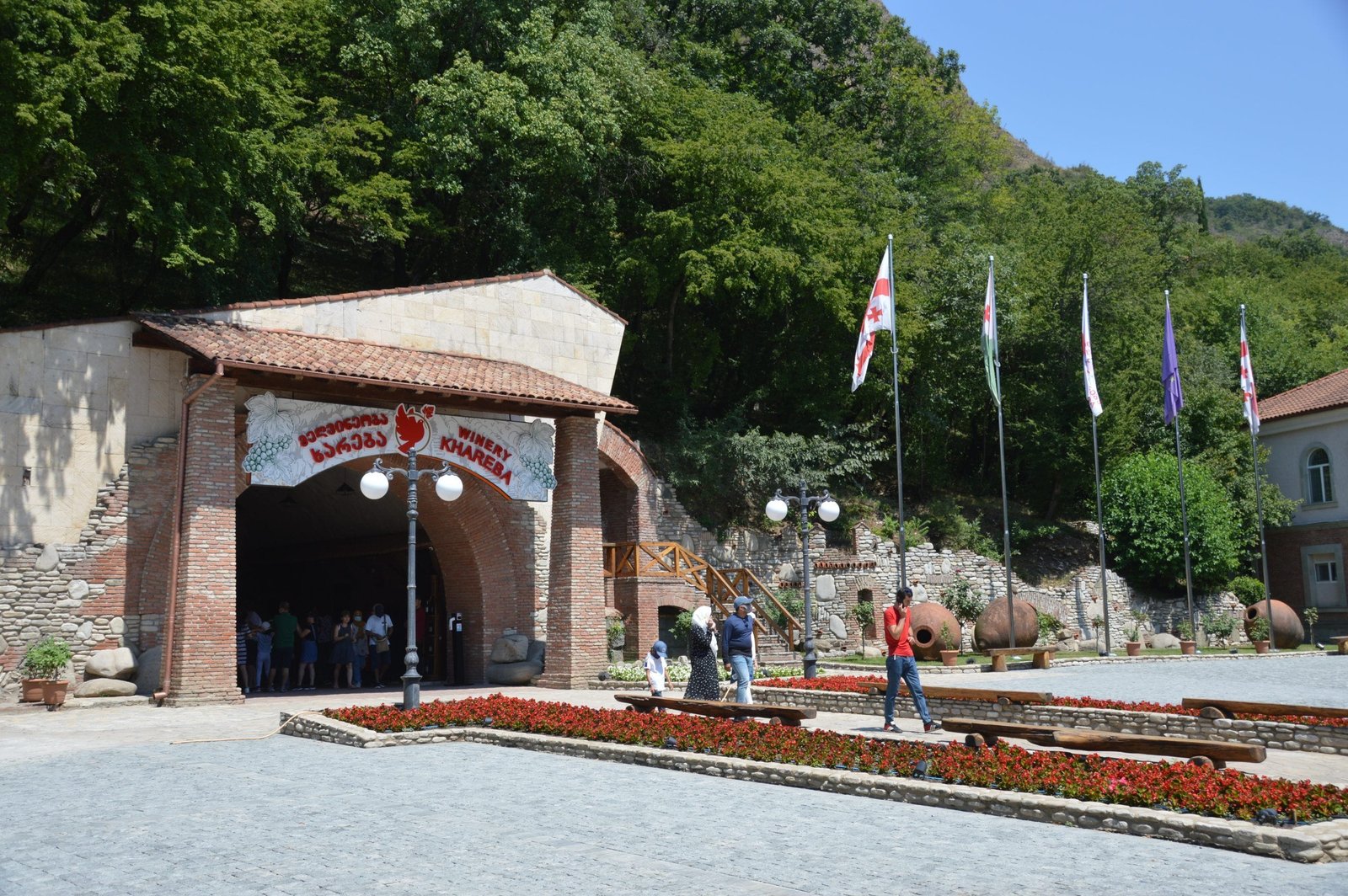 Nestled in the heart of the Kakheti region, Khareba Winery is distinguished by its extraordinary tunnel system excavated into the Caucasian mountain, stretching more than 7.7 kilometres at a depth of 60 metres. Originally built during the Soviet era, this underground labyrinth maintains a constant natural temperature of 12–14°C, creating ideal conditions for wine ageing. The winery combines traditional Georgian winemaking methods using qvevri with modern technology, producing exceptional wines from indigenous grape varieties such as Saperavi and Rkatsiteli. During our visit, we will walk the mysterious tunnels with torches in hand, learn about Georgia's 8,000 years of winemaking history and taste a select range of wines while enjoying the local cuisine.
Day 6 - Tbilisi - Guided tour
No driving After breakfast at the hotel, we start our adventure. We plan to visit the following:Rustaveli Avenue
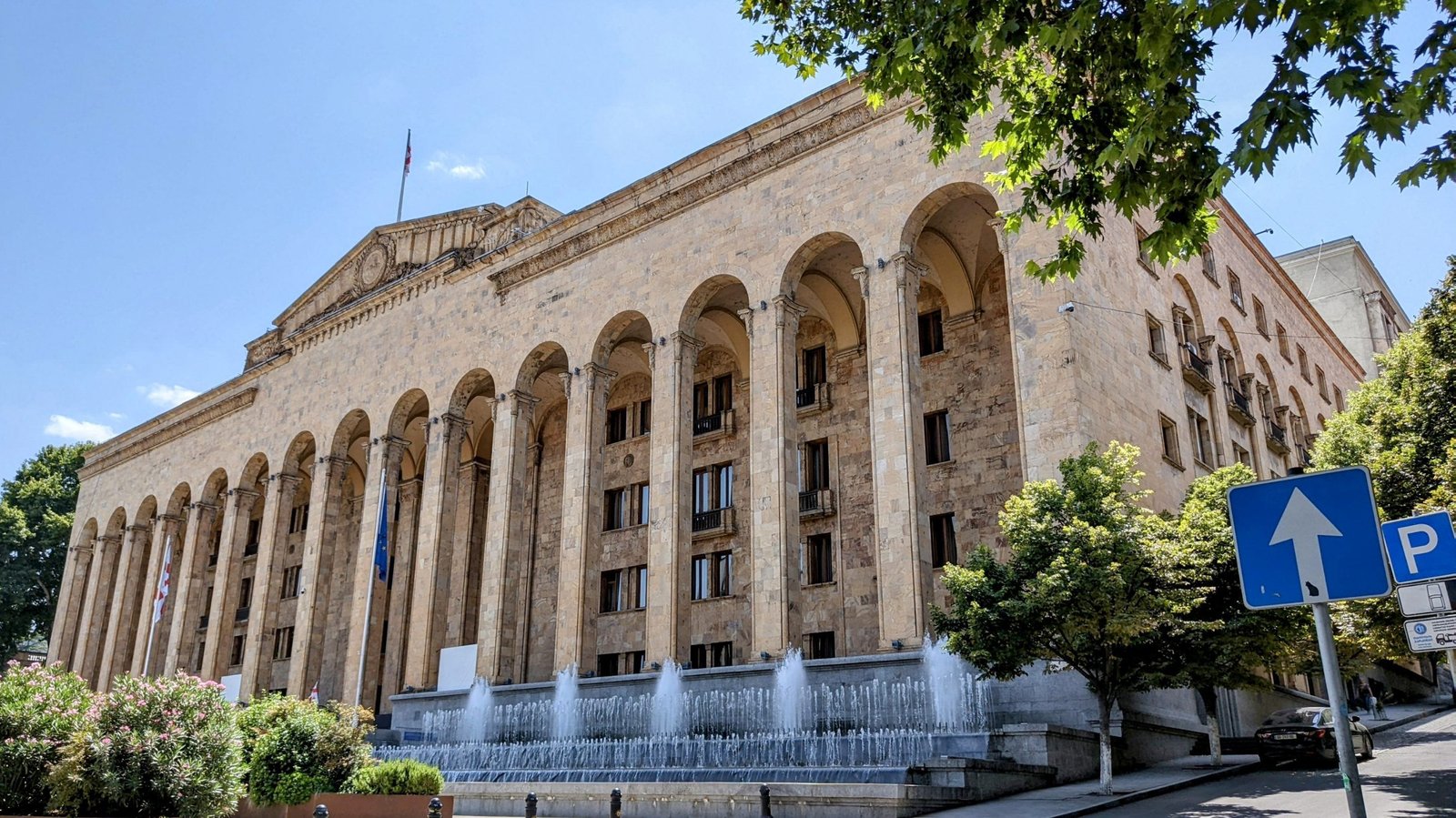 Rustaveli Avenue, the main artery of Tbilisi, stretches 1.5 kilometres from Freedom Square to Republic Square. This iconic street, named after the medieval poet Shota Rustaveli, is home to the city's most prestigious buildings, including the Parliament of Georgia, the Opera Theatre and the National Museum, all built in Neoclassical and Art Nouveau style during the 19th century. During our stroll, we will enjoy the vibrant Georgian cultural life, stop at its elegant historic cafés and admire the monumental architecture as we explore the many shops and art galleries.
Metekhi Square
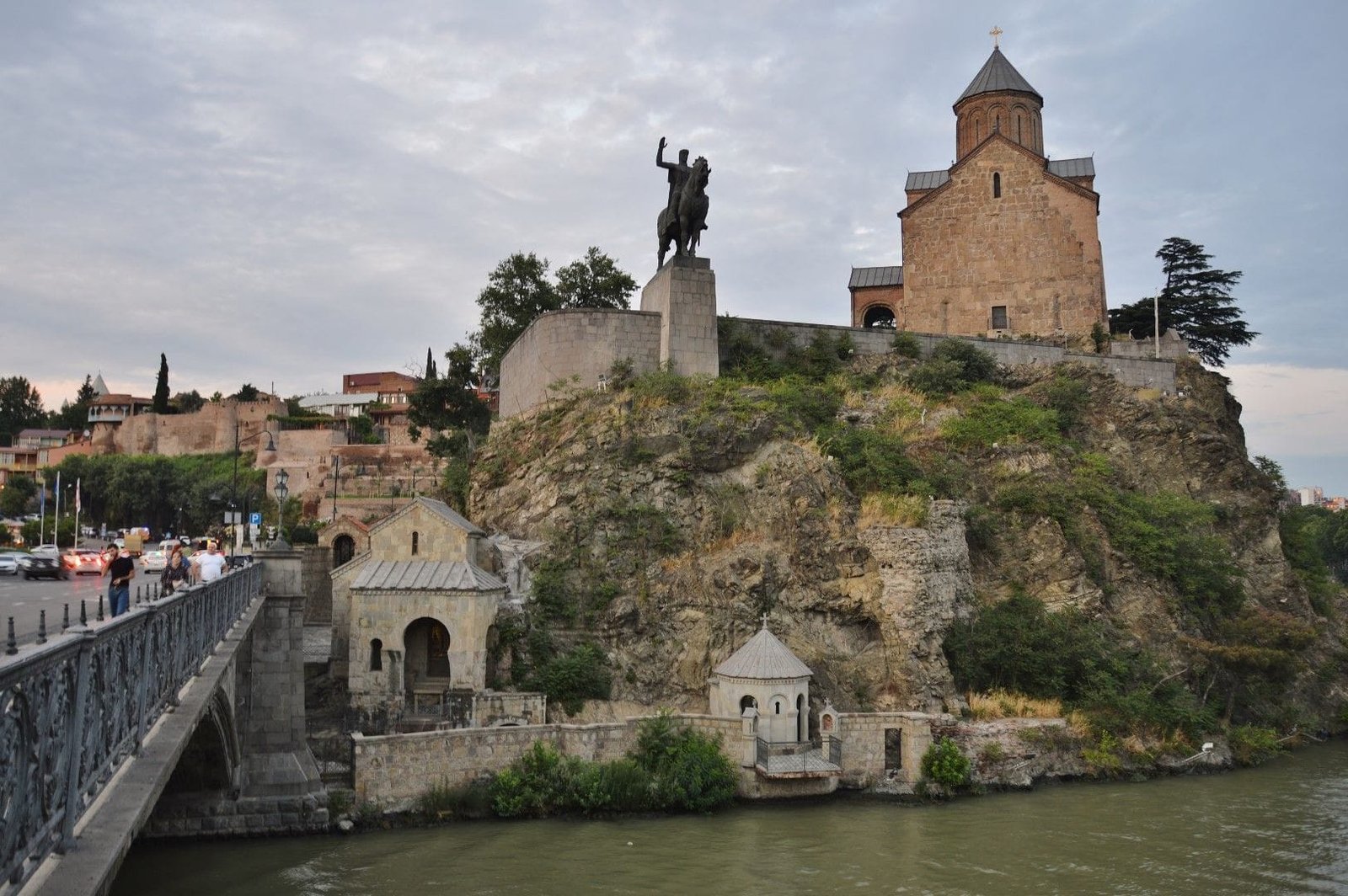 Metekhi Square, one of the most iconic historic sites in Tbilisi, rises above a cliff with privileged views of the Mtkvari river. This landmark is dominated by the 13th-century church and the equestrian statue of King Vakhtang Gorgasali, the legendary founder of the city. The square was for centuries the home of the royal palace, establishing itself as a strategic and cultural centre. Although the original church was built in the 5th century, the structure we see today is a 13th-century reconstruction. During our tour, we will delight in the impressive panoramic views of the old town and the famous bath district. We will also explore the Metekhi Church and immerse ourselves in the fascinating history of the king who, with his vision, established Tbilisi as the capital of Georgia, forging one of the most representative places of Georgian heritage.
Narikala Fortress
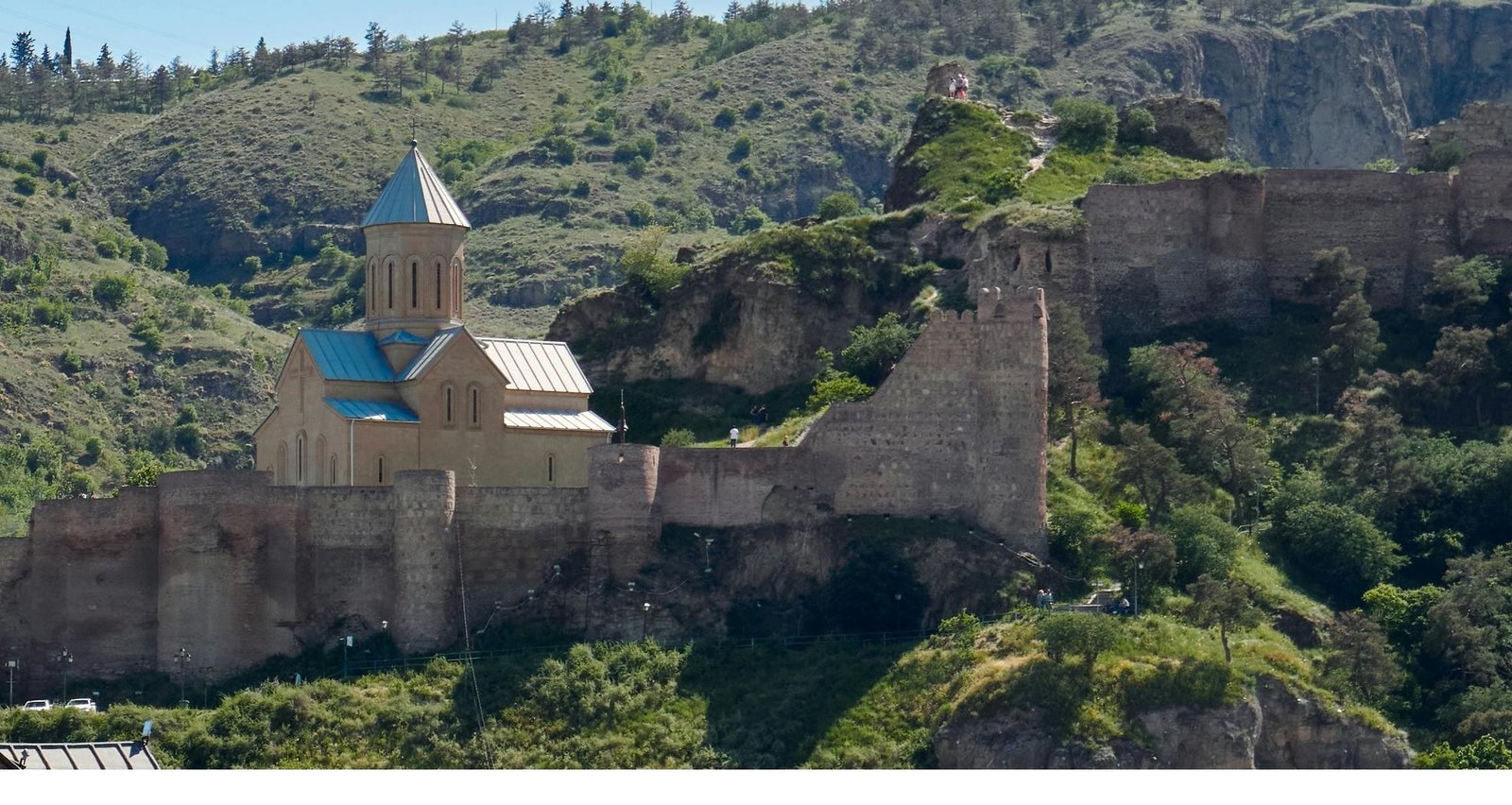 Narikala Fortress, an iconic symbol of Tbilisi, has dominated the city's skyline since the 4th century. This ancient citadel, originally Persian and later expanded by Arabs and Georgians, rises above a steep hill with views over the Mtkvari river and the old town. Its imposing walls and towers have witnessed the various civilisations that have ruled Georgia, including the rebuilt Church of St Nicholas from the 12th century. During our visit, we will ascend by cable car to the fortress, walk its ancient defensive walls and capture breathtaking panoramic views of Tbilisi as the sun sets over the city.
Abanotubani
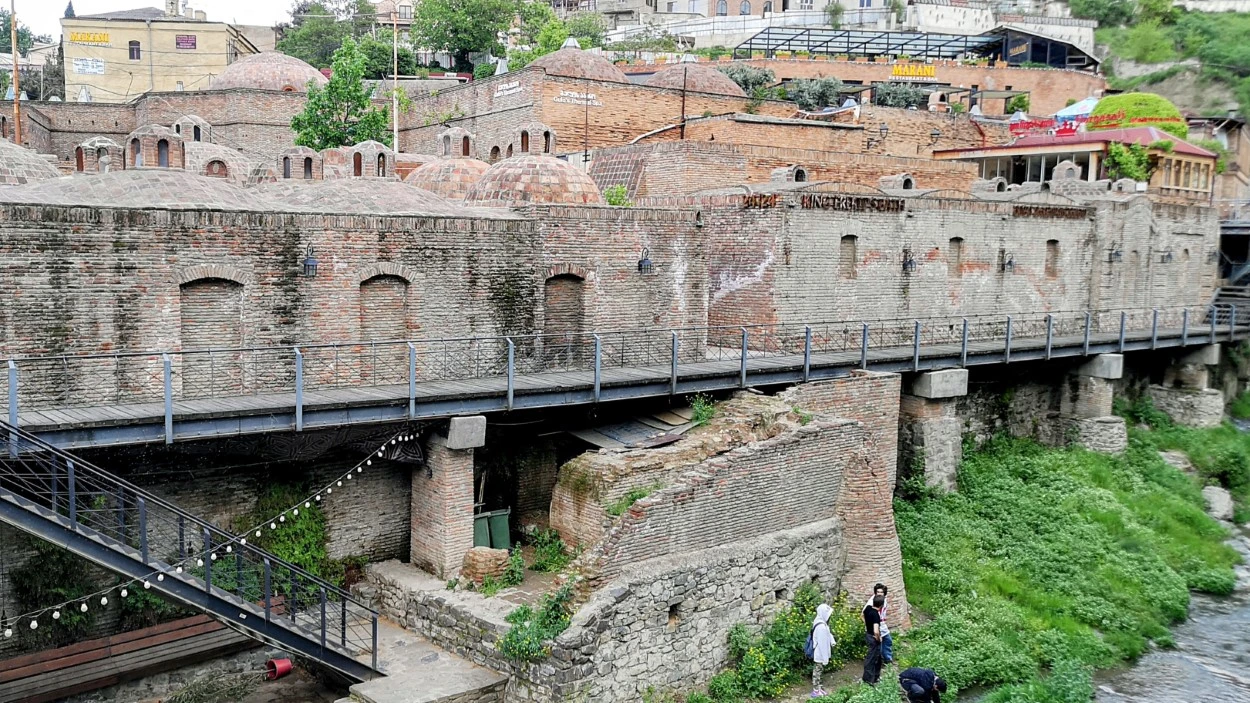 Abanotubani, the historic sulphurous bath district in the heart of old Tbilisi, represents the original nucleus where the Georgian capital was founded. Located on the right bank of the Mtkvari river, this neighbourhood is famous for its distinctive sulphur baths with brick domes that emerge from the ground, bearing witness to more than 1,500 years of history. The natural thermal waters rising from the depths of the earth maintain a constant temperature of 37–40°C, and their healing properties have attracted illustrious visitors such as Alexander Pushkin and Alexandre Dumas. During our visit, we will immerse ourselves in the streets of these legendary thermal waters and lose ourselves in the picturesque medieval lanes that wind between the baths, breathing in the most authentic essence of ancient Tbilisi.
Anchiskhati
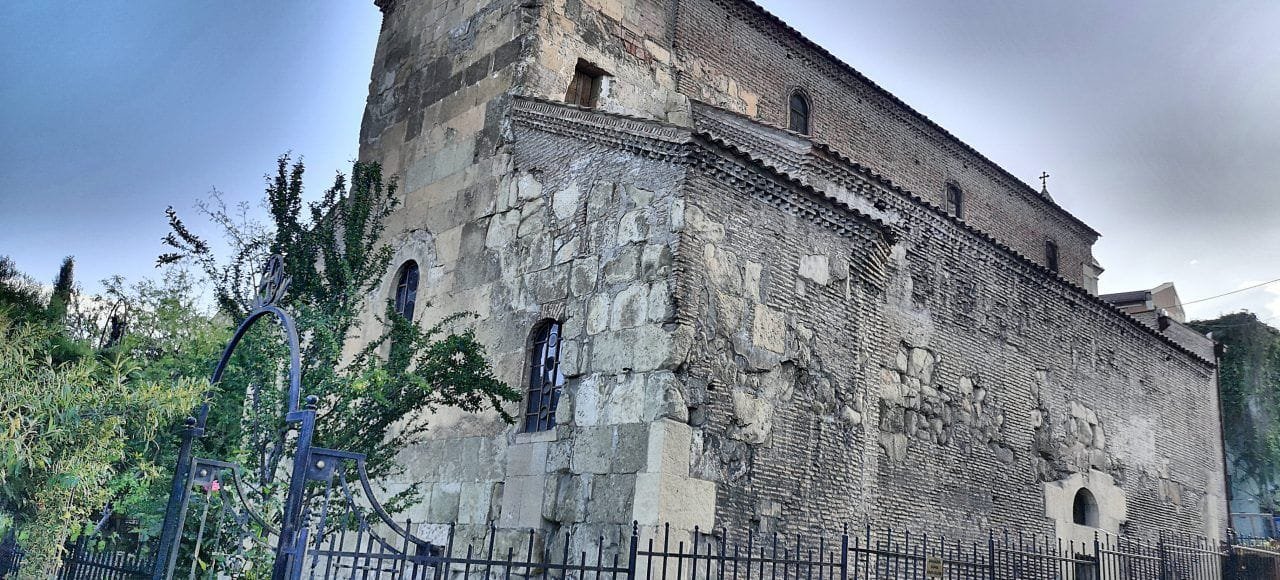 Anchiskhati Basilica, the oldest church in Tbilisi, stands as a vital testament to Georgia's Christian history since the 6th century. Located in the heart of the old town, this sandstone church dedicated to the Nativity of the Virgin Mary owes its name to the miraculous icon of Christ (Anchiskhati) that it housed for centuries. Its three-nave basilica layout, typically Georgian, is complemented by medieval frescoes and a 17th-century bell tower. During our exploration, we will take in the mystical atmosphere of the temple, listen to the ancient Georgian polyphonic chants that still resonate within its walls and admire the craftsmanship of its traditional icons.


