This is the unhurried version of the Vardzia trip. Instead of 543 km in one day, we sleep in Akhaltsikhe and split the road into two days of four or five hours in the car. The first goes through Gori, with the Stalin museum and the armoured carriage he travelled to Yalta in, and Uplistsikhe, the town cut into the rock that was already inhabited a thousand years before Christ, with its streets, wine cellars and a theatre. In the afternoon we cross into Samtskhe-Javakheti and arrive in Akhaltsikhe, with time to go up to Rabati castle before dinner.
The second day is Vardzia: 60 km to Queen Tamar's monastery city, with Khertvisi fortress on the way, and back to Tbilisi via Borjomi, where we stop to drink the water in the park. Arrival in the capital mid-afternoon. Hotel in Akhaltsikhe in the category of your choice.
Itinerary
Day 1 - Tbilisi - Gori - Uplistsikhe - Akhaltsikhe
Total road of the day - 248KM 4 Hours and 12 Minutes 248 km and 4 hours 12 minutes in the car in all. Today's stops: Stalin Museum and Uplistsikhe. Road 89KM 1 Hours and 22 MinutesStalin Museum
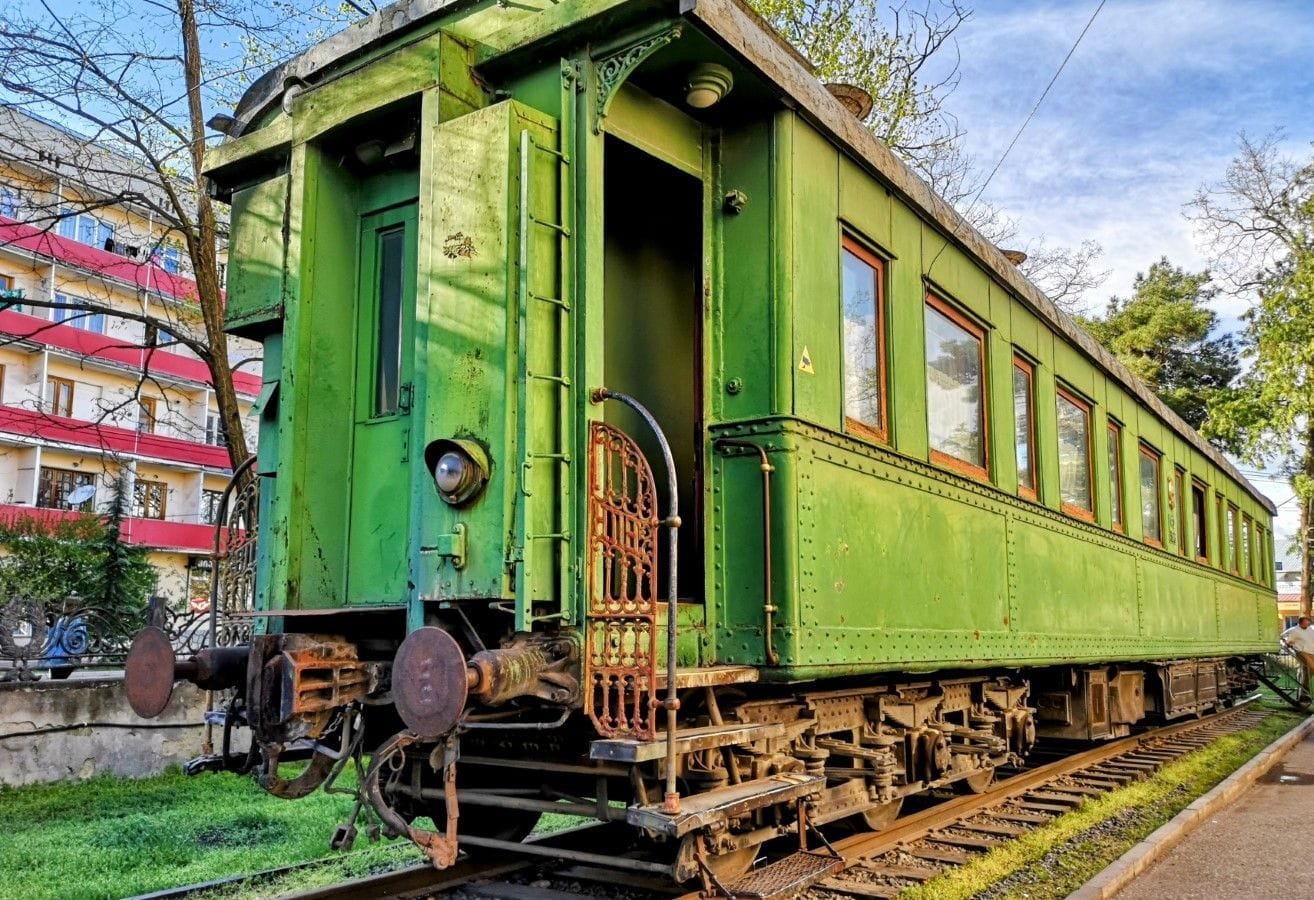 Gori is the town where Iosif Dzhugashvili was born in 1878, and the museum dedicated to him in 1957 is still open much as it was then. It is three things: the little wooden house where he was born, protected under a pavilion of columns; the main building, a Soviet-style palace with his personal belongings, photographs, gifts from heads of state and one of the bronze copies of his death mask; and the armoured railway carriage in which he travelled to Yalta and Potsdam, because he did not like flying.
Let us be plain: the museum tells the kind version. There is a small room on the repression, added late, and little else. We tell the rest on the road, and the one-hour visit usually ends in a long conversation in the car.
Uplistsikhe
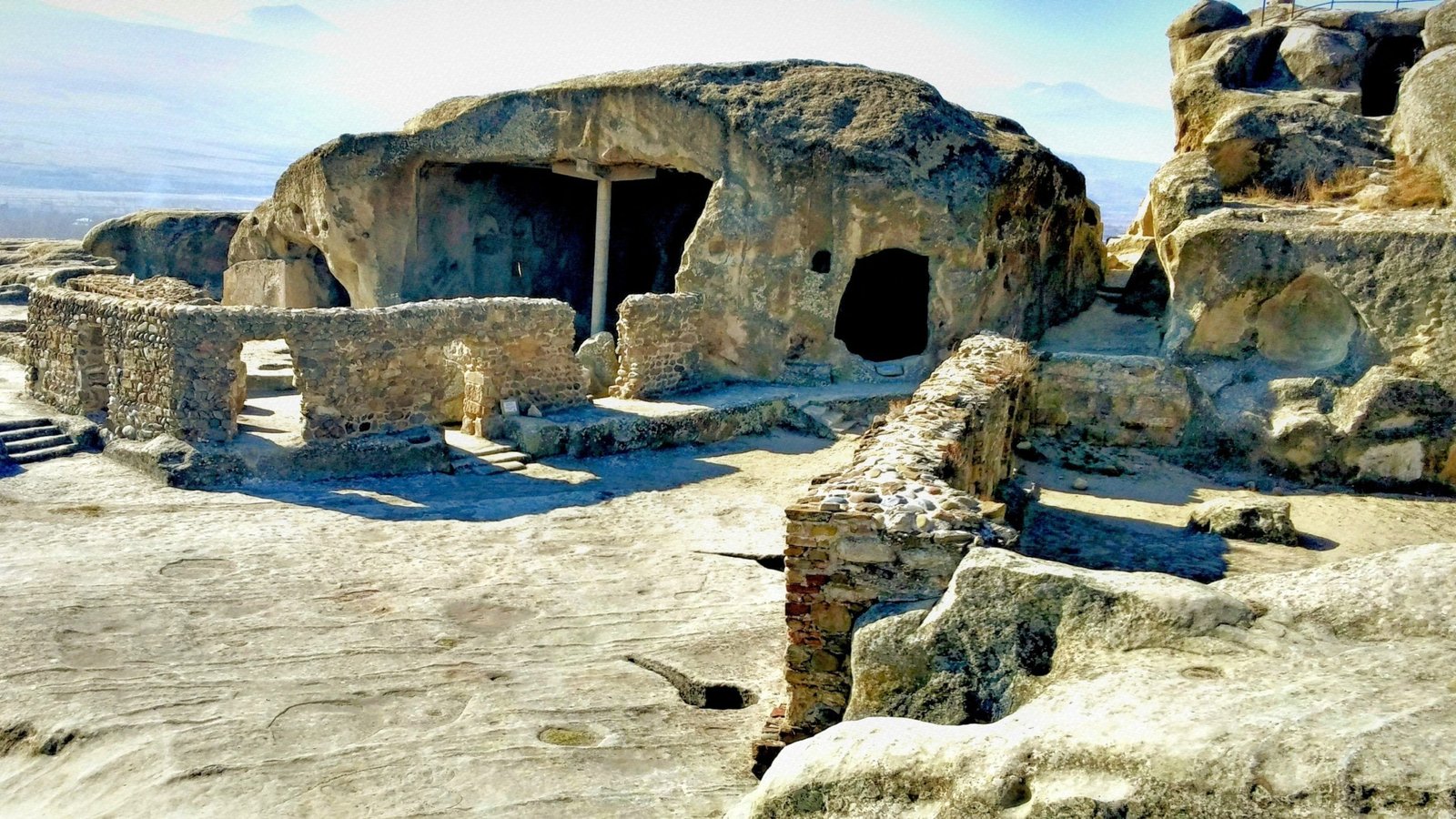 A whole town cut into the rock, 10 km from Gori above the Mtkvari river. People lived at Uplistsikhe from the first millennium BC until the Middle Ages: first a pagan centre, then a Christian one, and always a stop for the caravans. What remains are carved streets, a hall with a ceiling imitating wooden beams (they call it "Queen Tamar's hall"), wine presses, a tunnel down to the river and a 10th-century brick church planted on top of it all. The Mongols emptied it in the 13th century and it never recovered.
One piece of advice: in summer there is no shade and the rock burns, so go early or late in the day, and wear shoes with grip, because the polished stone is slippery. An hour is enough to climb up to the church and look down at the river.
Day 2 - Akhaltsikhe - Vardzia - Khertvisi - Tbilisi
Total road of the day - 287KM 5 Hours and 30 Minutes In the morning, Vardzia; in the afternoon, Khertvisi Fortress. 287 km in all. Road 60KM 1 Hours and 20 MinutesVardzia
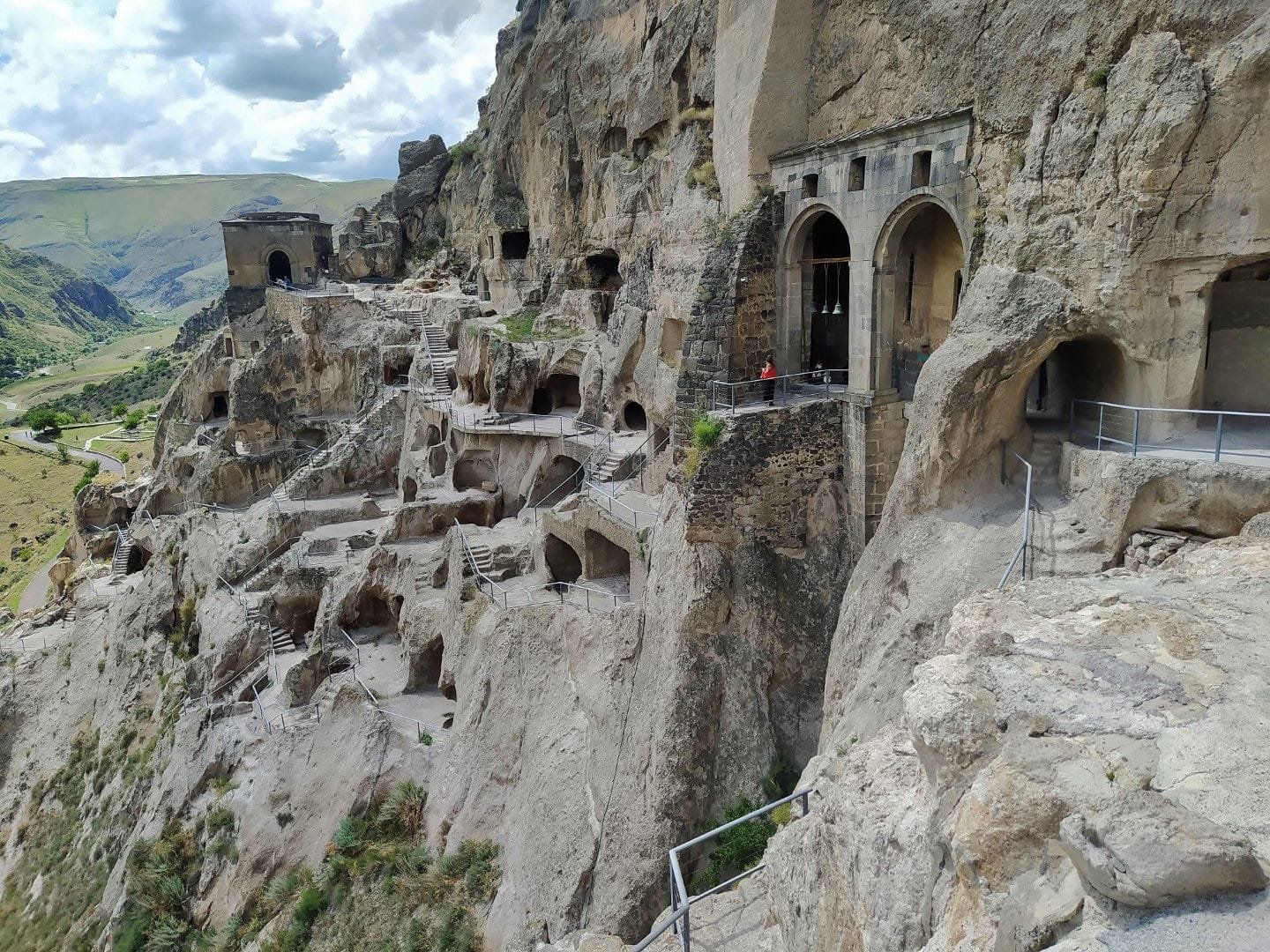 A rock face 500 metres long riddled with 19 storeys of openings: that is Vardzia, the cave monastery Queen Tamar finished around 1185 in the Mtkvari valley, 60 km from Akhaltsikhe. It once had thousands of rooms; the earthquake of 1283 took the whole front off and exposed what you see today, some 600 rooms including cells, wine cellars, refectories, a pharmacy and irrigation channels cut into the stone. In the Church of the Dormition are the 12th-century frescoes, with one of the few portraits of Tamar made in her lifetime.
It is still a monastery, with a few monks, so some areas are closed. The visit takes an hour and a half, almost all of it on stairs and through narrow tunnels: not for bad knees or claustrophobia, although there are routes that avoid the passages. In summer the sun hits the wall from mid-morning; we go as early as we can.
Khertvisi Fortress
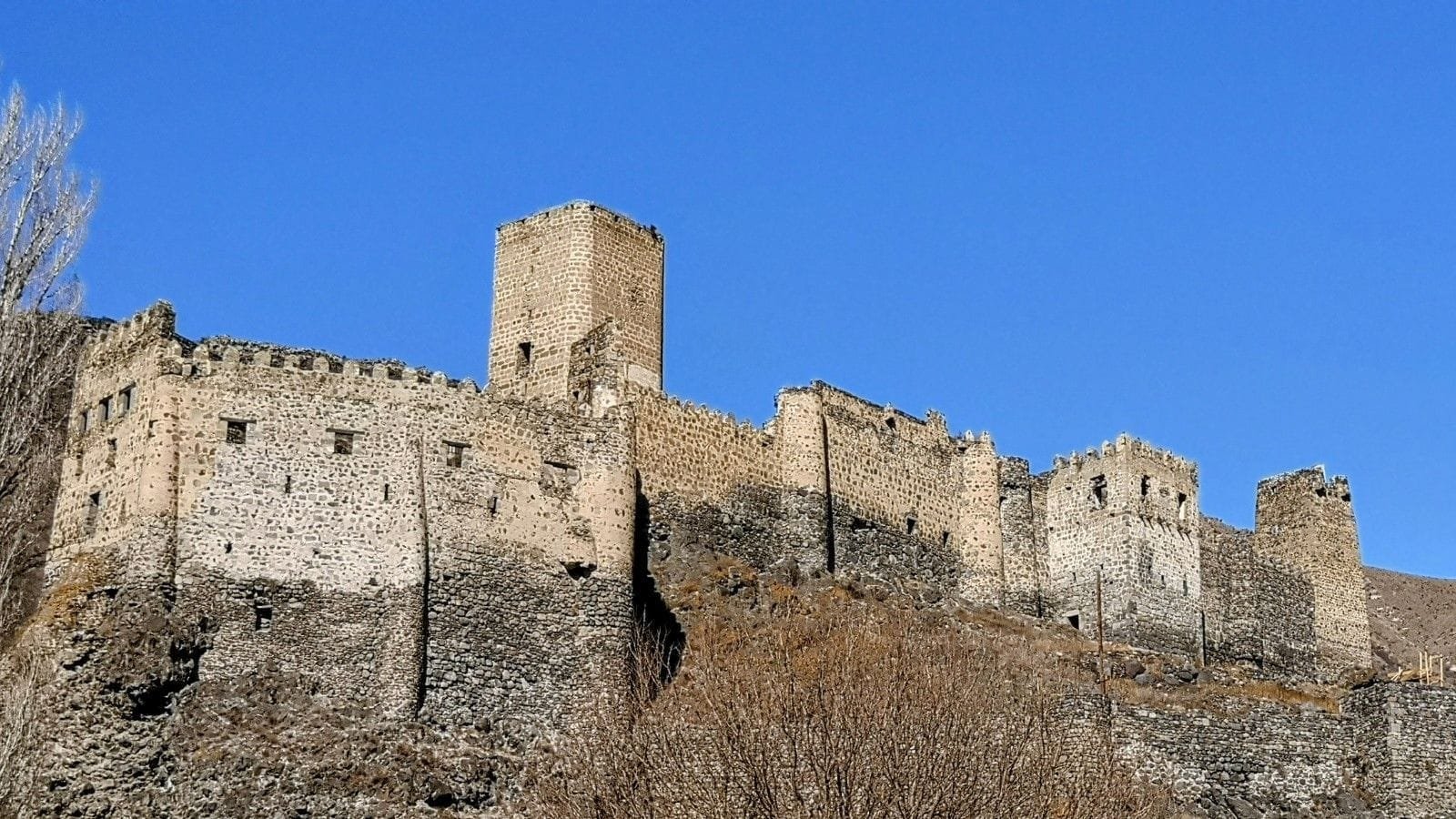 Where the Paravani river meets the Mtkvari, on the way to Vardzia, a castle perches on a crag that has been there in one form or another since the 2nd century BC; legend says Alexander the Great destroyed it, though he never came this way. The walls and towers you see date from the 10th to the 14th century, with a church of 985 inside. Khertvisi watched the road between Georgia and the Ottoman Empire, and changed hands as often as the region did.
A 20-minute stop, with a short, steep climb to the towers for anyone who wants the view of the valley. There is a secret tunnel that went down to the river, closed today.


