Three regions and three hotels. It starts in Kakheti with wine: Bodbe, Sighnaghi above the Alazani valley, the tasting in the Khareba tunnel and the Gremi citadel, with a night in Telavi. The second day crosses from the valley to the mountains, about 280 km, up to the Gergeti church under Kazbek, with Ananuri on the way, and sleeps in Gudauri at 2,200 metres. The third drops south via Gori and Uplistsikhe to Akhaltsikhe, and the fourth is Vardzia, the carved city, and Khertvisi fortress, returning to Tbilisi via Borjomi.
Days two and three are long, five and a half hours in the car; in return not a single kilometre is repeated. From November to April the Jvari pass can close with snow and the order is changed at no cost.
Itinerary
Day 1 - Tbilisi - Bodbe - Sighnaghi - Kvareli - Gremi - Telavi
Total road of the day - 211KM 3 Hours and 32 Minutes We leave after breakfast. On the programme, Bodbe Monastery, Sighnaghi, Khareba Winery and Gremi; 211 km in short stretches. Road 110KM 1 Hours and 48 MinutesBodbe Monastery
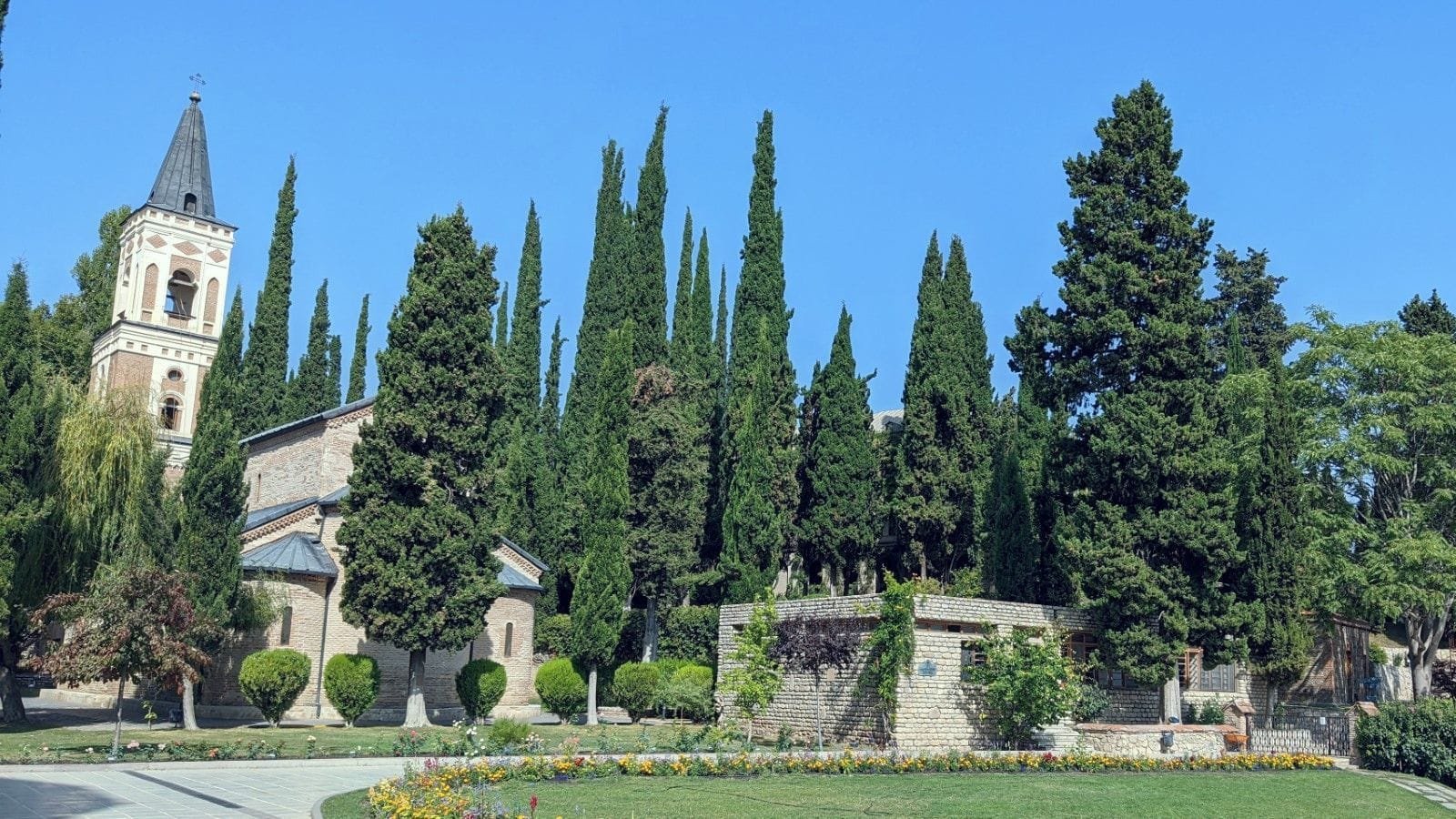 St Nino is buried here, the woman who converted Georgia to Christianity in the 4th century, and that is why Bodbe is the most visited place of pilgrimage in the country. It is a convent 2 km from Sighnaghi, among cypresses, with a small 9th-century church much rebuilt in the 17th, where the tomb is, and a huge new cathedral finished a few years ago that we like less. From the garden you see the whole Alazani valley.
What sets Bodbe apart is St Nino's spring: a source 3 km downhill along a path, where pilgrims get into the icy water in a white shirt. It is 30 minutes down and 45 up, and there are minibuses for the way back. With a normal group we stay at the top; if someone wants to go down, we arrange it. Headscarf and covered shoulders.
Road 2KM 0 Hours and 5 Minutes
Sighnaghi
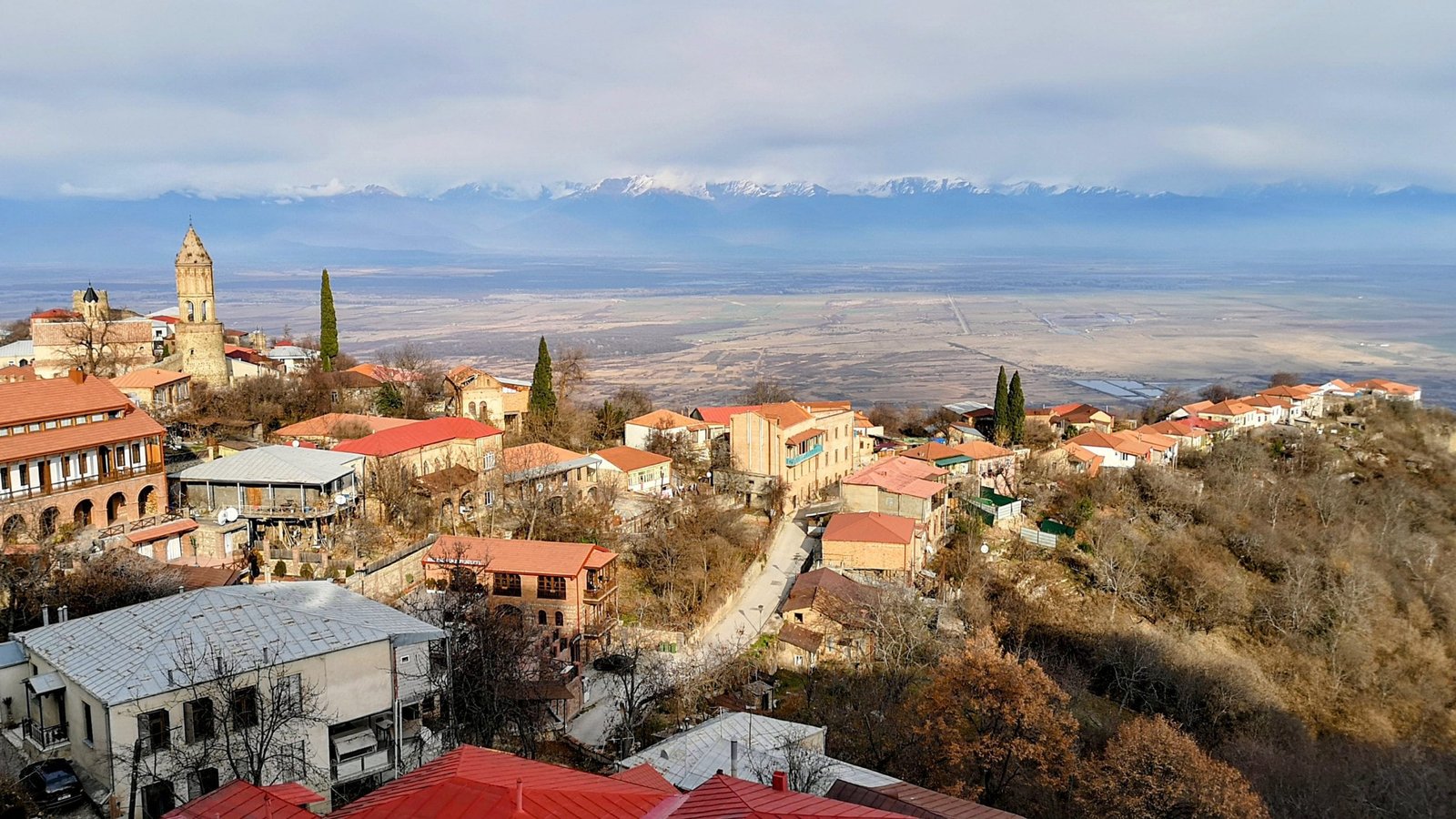 Sighnaghi sits on top of a ridge at 790 metres, with the Alazani valley at its feet and the Caucasus range behind, and it is the best-kept town in Georgia: cobbled streets, carved wooden balconies, red roofs. Too well kept, some will say, because the 2007 restoration left it a little postcard-like. The wall was ordered by King Erekle II in 1762 to protect the townspeople from raids out of Dagestan: 4 km and 23 towers, and you can walk along one stretch.
They call it "the city of love" for a prosaic reason: the registry office marries people at any hour, no appointment needed. Two hours cover the wall, the museum of Pirosmani, the naive painter born in a village next door, and a glass of wine on some terrace looking at the valley, which is what everyone comes for.
Road 60KM 1 Hours and 0 Minutes
Khareba Winery, the wine tunnel
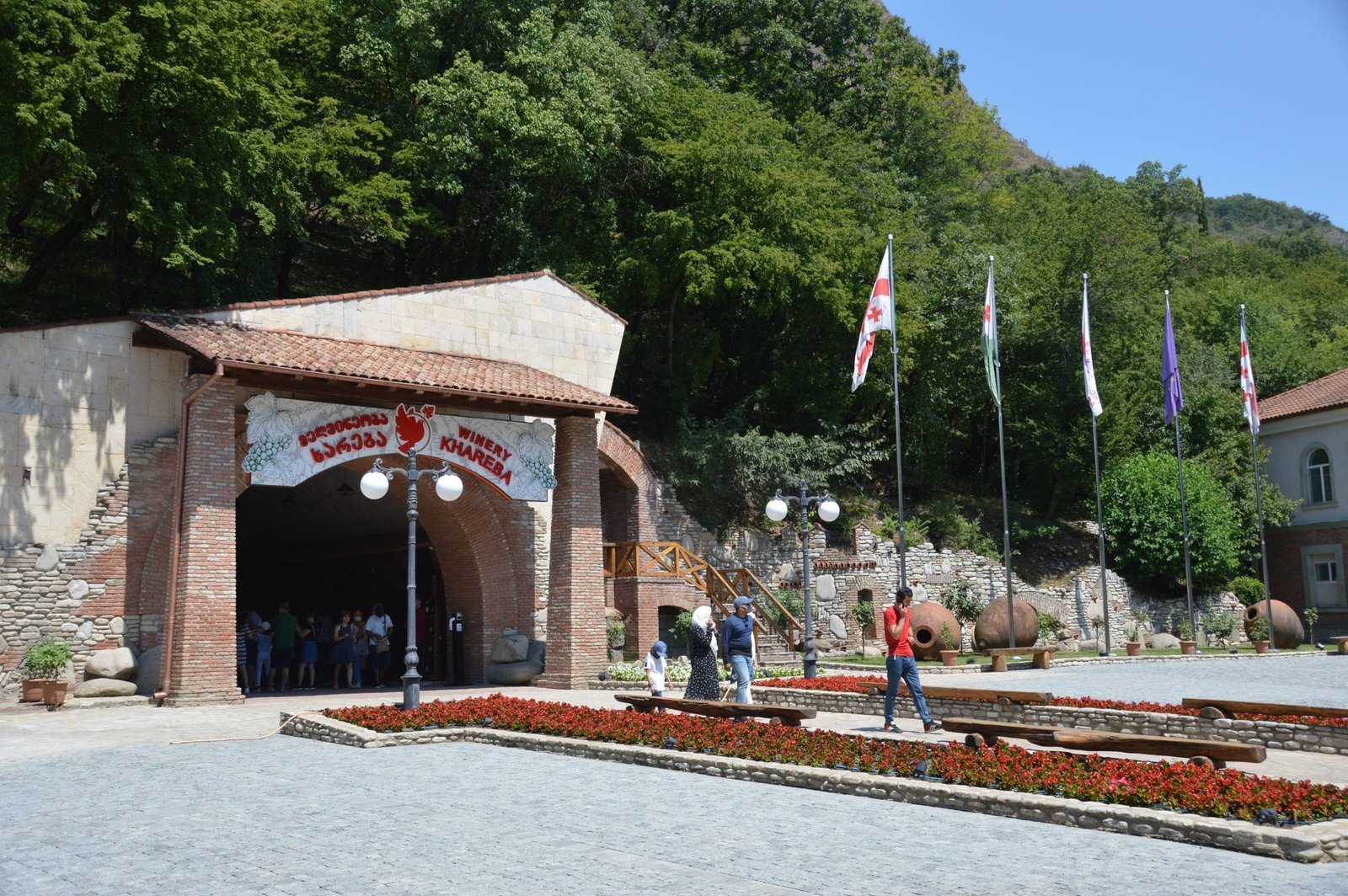 In 1962 the Soviets dug 7.7 km of tunnels into the Caucasus foothills near Kvareli to store wine at a constant temperature: 12 to 14 degrees all year round. Today they belong to the Khareba winery, which has filled them with bottles and qvevris, the buried clay vessels Georgia has made wine in for 8,000 years. You walk a lit stretch, the method is explained and you taste: usually a white from rkatsiteli, a red from saperavi and, for the brave, chacha, the grape-pomace spirit.
It is a big and fairly touristy winery, we say it so you know; in return, the tunnel is cool in high summer and the explanation is clear. An hour. Outside there is a restaurant with a terrace if lunch falls in the area.
Road 18KM 0 Hours and 17 Minutes
Gremi
 For 150 years, from 1466 to 1616, Gremi was the capital of the kingdom of Kakheti, a Silk Road city with markets, baths and caravanserais. In 1616 Shah Abbas of Persia razed it and deported its people, and it never rose again; the capital moved to Telavi. What remains stands on top of a rock: the Church of the Archangels of 1565, with frescoes, and the royal tower residence, now a small museum with a good model of what the city looked like.
Half an hour. You drive up to the top, and from the tower you see the Alazani valley and, in the distance, the wall of the Caucasus.
Road 21KM 0 Hours and 22 Minutes
Day 2 - Telavi - Ananuri - Gergeti - Gudauri
Road 198KM 4 Hours and 35 Minutes About 280 km: from Telavi to the Military Highway via Tianeti, a stop at Ananuri and the climb to Gergeti. Lunch on the way.Ananuri
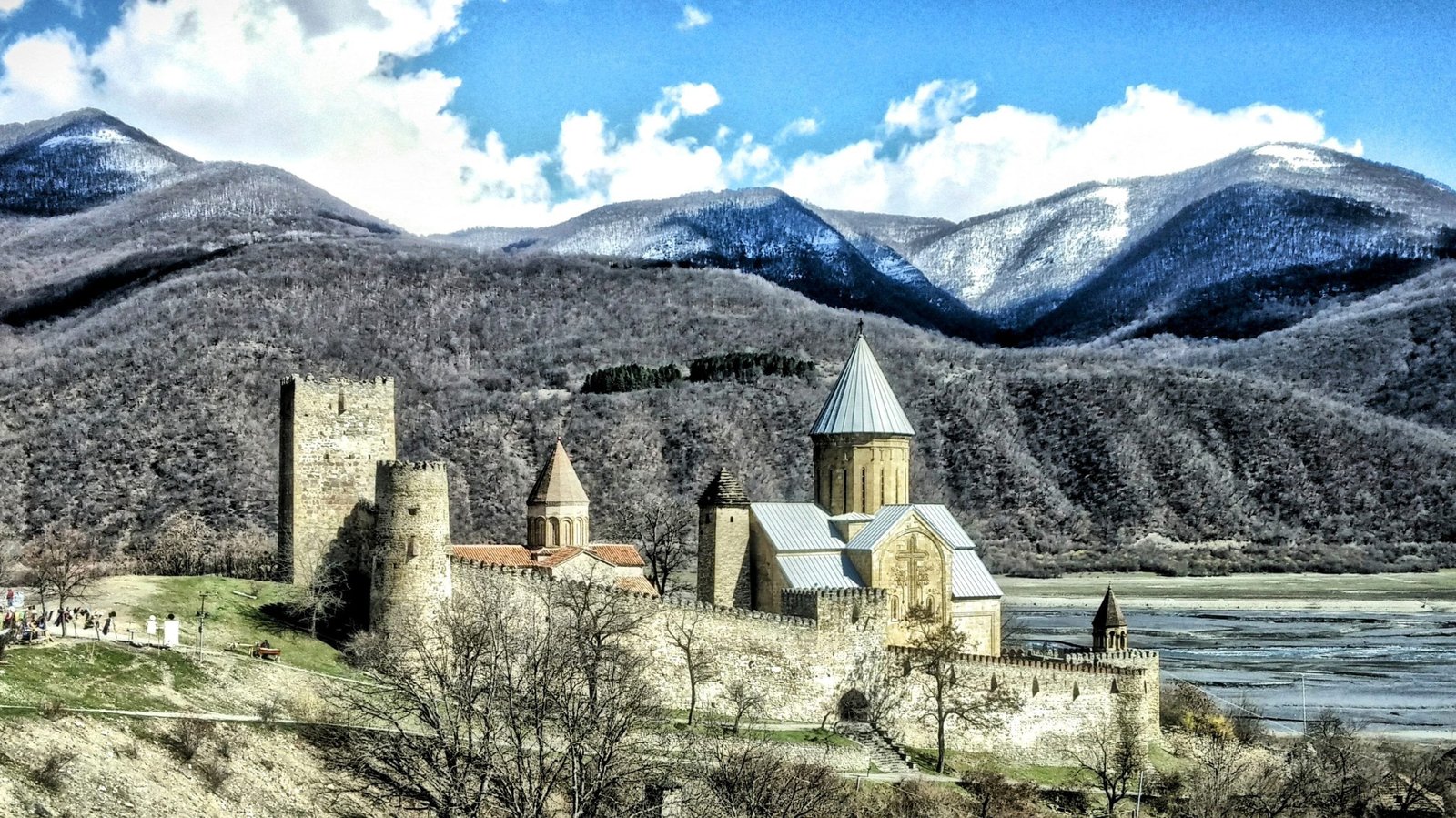 The first serious stop on the Georgian Military Highway, 66 km from Tbilisi: a fortress with two churches inside, planted above the Zhinvali reservoir. The turquoise water in all the photos dates from 1986, when the dam flooded the valley; until then the castle watched over a crossroads. It was the seat of the Eristavis of Aragvi, the dukes of the area, from the 13th to the 18th century, and the story you will be told is that of 1739, when a rival lord took it and put the whole family to the sword.
The best of Ananuri is the façade of the big church, the Assumption, from 1689: a huge cross carved with vines, lions and angels. You can climb the tower, up a narrow staircase. Half an hour, and at the exit there are stalls selling churchkhela, the strings of walnuts dipped in grape must, which are good here and not expensive. In autumn the reservoir drops and the postcard loses its colour.
Gergeti Trinity Church
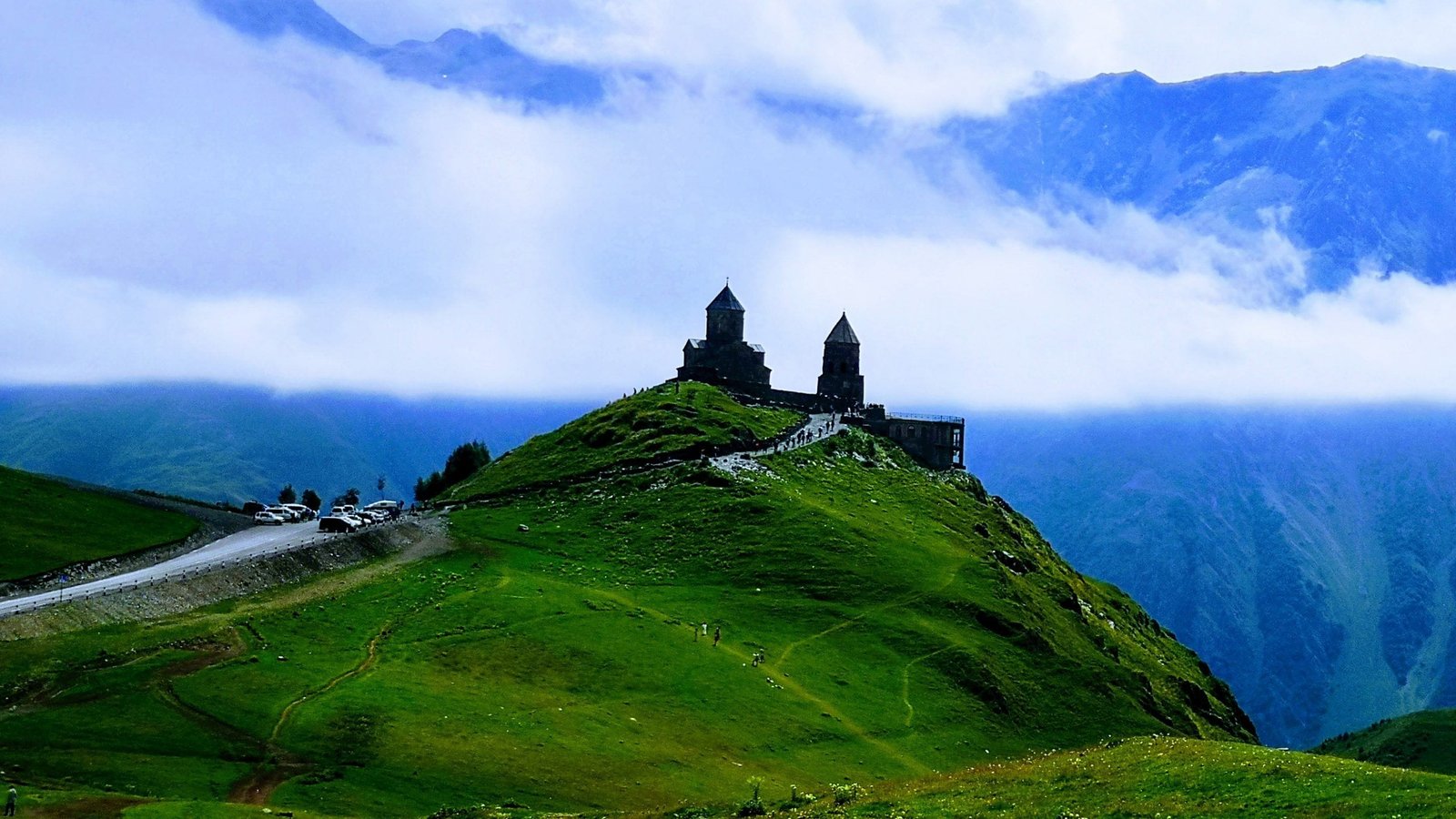 The photo of Georgia: a 14th-century church alone on a ridge at 2,170 metres, with Kazbek (5,047 m) behind it if the clouds allow. You get there from Stepantsminda, the village below, by a 6 km road that was paved only a few years ago; before that you needed a 4x4 or an hour and a half on foot, and in winter you still need the 4x4. For centuries the treasures of Mtskheta were hidden up here when invaders came, because of how remote it is.
Two warnings. First: Kazbek is usually covered from midday on, so we go up as early as we can and, if it is hidden, we wait a while, because sometimes it clears. Second: it is cold and windy at the top all year; in the middle of August we have seen people in T-shirts shivering. Headscarf to go in and covered shoulders; there are wrap skirts to borrow at the door for anyone in shorts. An hour for the drive up, the church and the photos.
Day 3 - Gudauri - Gori - Uplistsikhe - Akhaltsikhe
Total road of the day - 312KM 5 Hours and 20 Minutes First Stalin Museum, then Uplistsikhe. 312 km, 5 hours 20 minutes; lunch on the way. Road 153KM 2 Hours and 30 MinutesStalin Museum
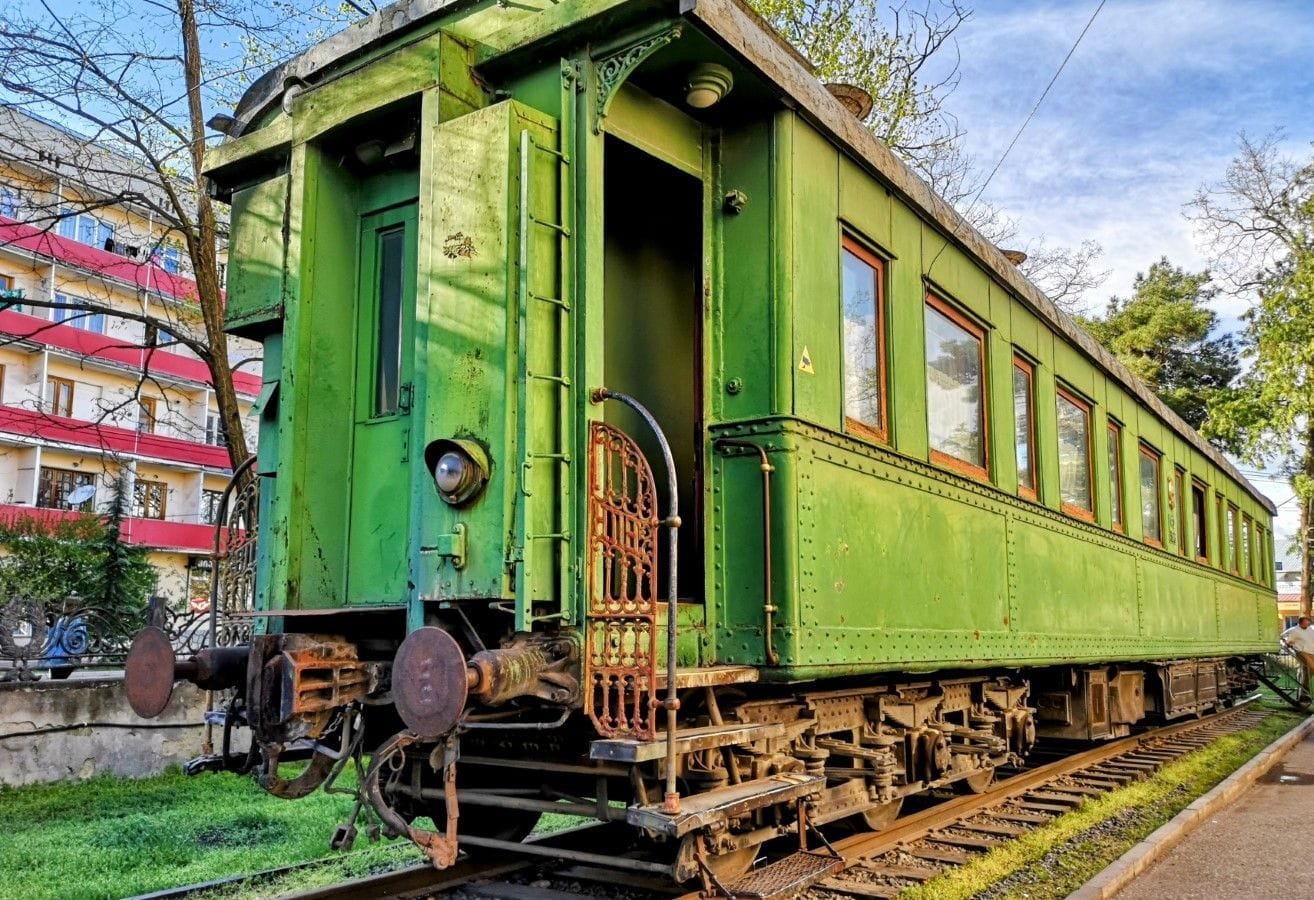 Gori is the town where Iosif Dzhugashvili was born in 1878, and the museum dedicated to him in 1957 is still open much as it was then. It is three things: the little wooden house where he was born, protected under a pavilion of columns; the main building, a Soviet-style palace with his personal belongings, photographs, gifts from heads of state and one of the bronze copies of his death mask; and the armoured railway carriage in which he travelled to Yalta and Potsdam, because he did not like flying.
Let us be plain: the museum tells the kind version. There is a small room on the repression, added late, and little else. We tell the rest on the road, and the one-hour visit usually ends in a long conversation in the car.
Uplistsikhe
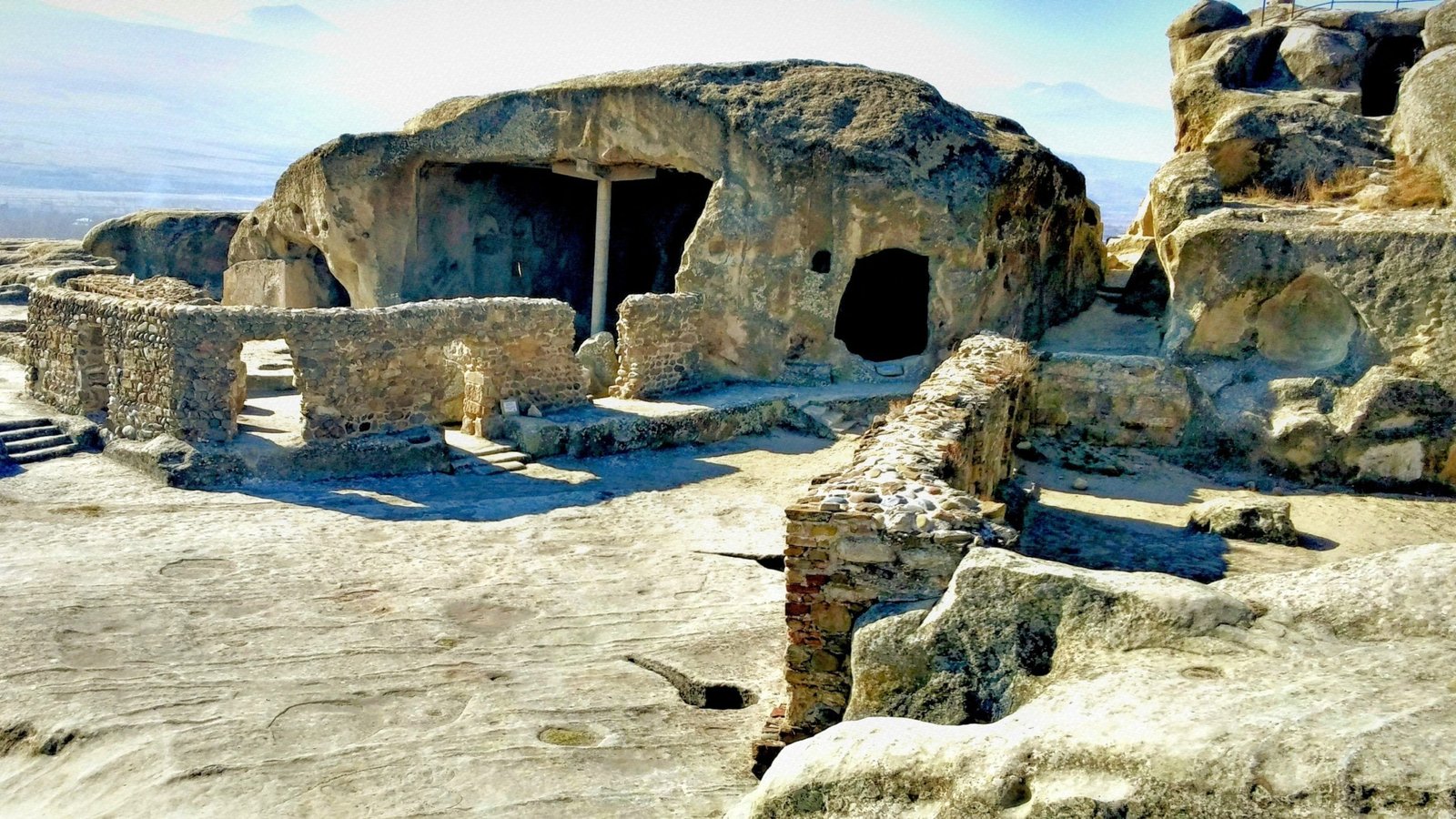 A whole town cut into the rock, 10 km from Gori above the Mtkvari river. People lived at Uplistsikhe from the first millennium BC until the Middle Ages: first a pagan centre, then a Christian one, and always a stop for the caravans. What remains are carved streets, a hall with a ceiling imitating wooden beams (they call it "Queen Tamar's hall"), wine presses, a tunnel down to the river and a 10th-century brick church planted on top of it all. The Mongols emptied it in the 13th century and it never recovered.
One piece of advice: in summer there is no shade and the rock burns, so go early or late in the day, and wear shoes with grip, because the polished stone is slippery. An hour is enough to climb up to the church and look down at the river.
Day 4 - Akhaltsikhe - Vardzia - Khertvisi - Tbilisi
Total road of the day - 287KM 5 Hours and 30 Minutes A day with 5 hours 30 minutes at the wheel, which is not nothing, and in return Vardzia and Khertvisi Fortress. Road 60KM 1 Hours and 20 MinutesVardzia
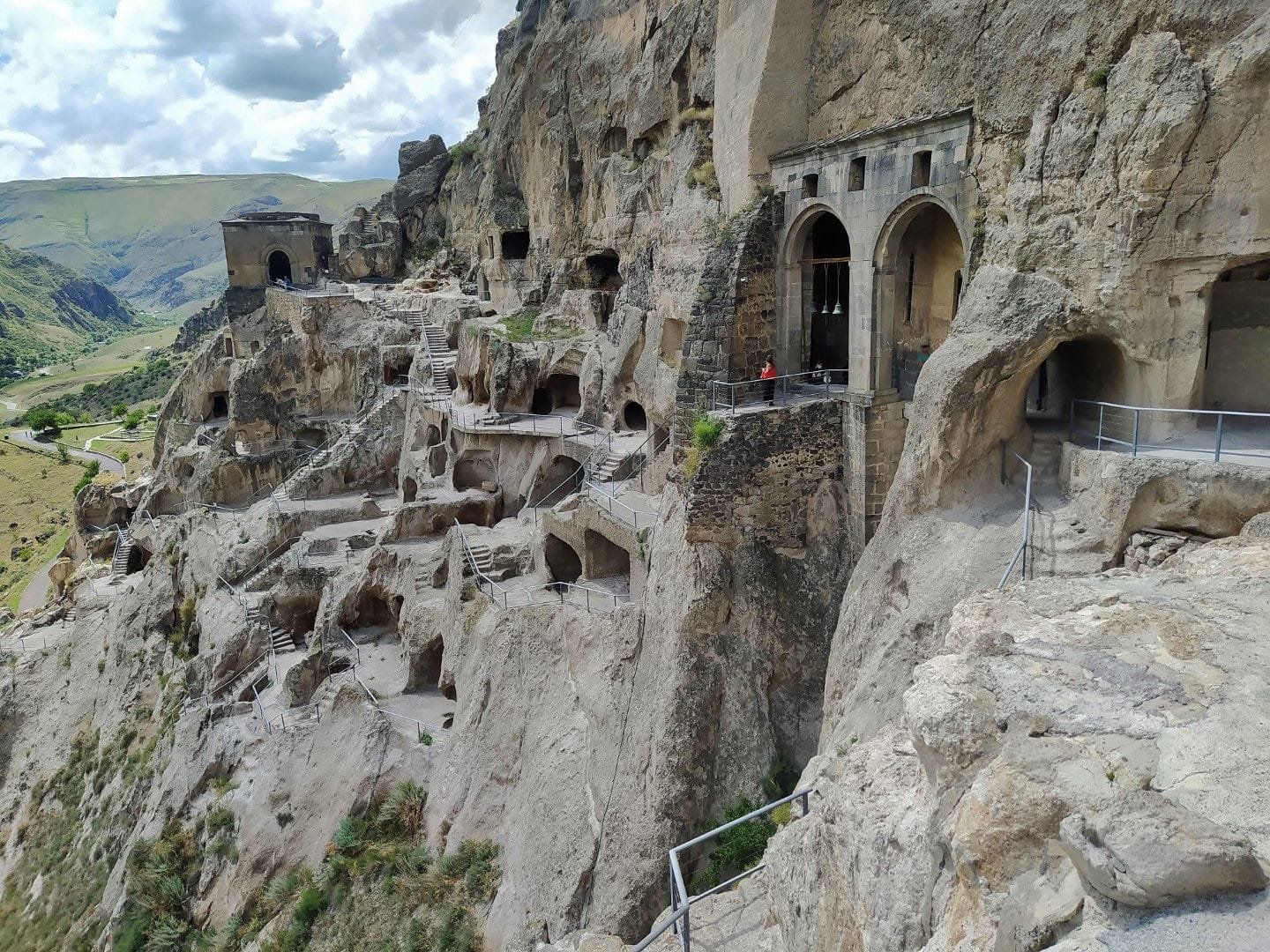 A rock face 500 metres long riddled with 19 storeys of openings: that is Vardzia, the cave monastery Queen Tamar finished around 1185 in the Mtkvari valley, 60 km from Akhaltsikhe. It once had thousands of rooms; the earthquake of 1283 took the whole front off and exposed what you see today, some 600 rooms including cells, wine cellars, refectories, a pharmacy and irrigation channels cut into the stone. In the Church of the Dormition are the 12th-century frescoes, with one of the few portraits of Tamar made in her lifetime.
It is still a monastery, with a few monks, so some areas are closed. The visit takes an hour and a half, almost all of it on stairs and through narrow tunnels: not for bad knees or claustrophobia, although there are routes that avoid the passages. In summer the sun hits the wall from mid-morning; we go as early as we can.
Khertvisi Fortress
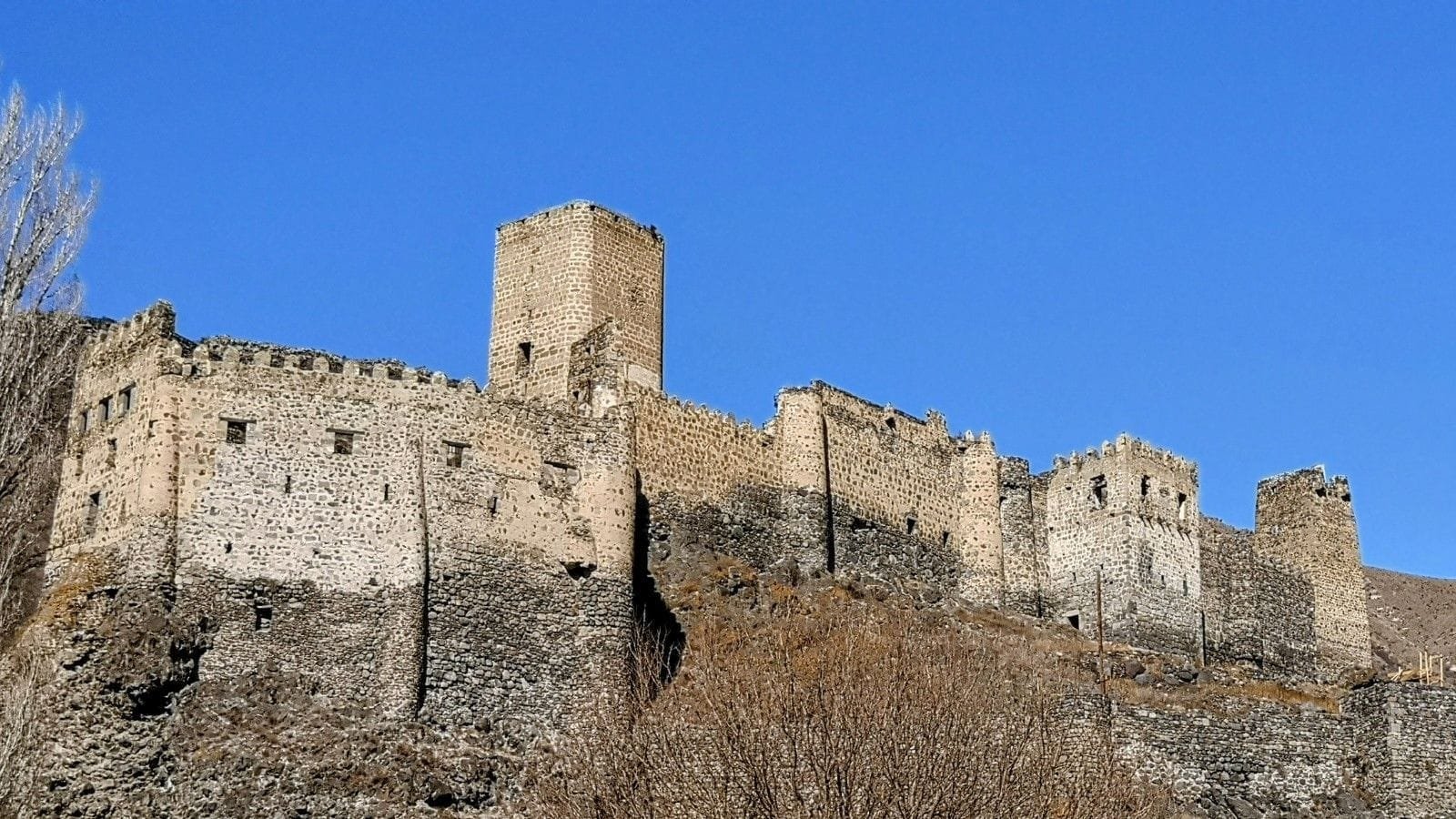 Where the Paravani river meets the Mtkvari, on the way to Vardzia, a castle perches on a crag that has been there in one form or another since the 2nd century BC; legend says Alexander the Great destroyed it, though he never came this way. The walls and towers you see date from the 10th to the 14th century, with a church of 985 inside. Khertvisi watched the road between Georgia and the Ottoman Empire, and changed hands as often as the region did.
A 20-minute stop, with a short, steep climb to the towers for anyone who wants the view of the valley. There is a secret tunnel that went down to the river, closed today.


