For anyone in Georgia who wants a look at Armenia without giving it a week. The first day is the longest: an early start from Tbilisi, the border at Sadakhlo, crossed on foot with a change of car and guide on the other side, and the descent through the Debed canyon with Haghpat, a World Heritage site, and Saghmosavank, perched above the Kasagh gorge, before reaching Yerevan at nightfall. Two easy days in the capital: the city on foot with Garni and Geghard, and the morning of Echmiadzin and Zvartnots, half an hour away.
The fourth day returns by another road: Lake Sevan, with the monastery on the peninsula, and Dilijan with Goshavank, to cross again at Sadakhlo and sleep in Tbilisi. Keep your passport handy; the Georgian and Armenian stamps cause no problems, but the formalities take a good half hour each way. Three nights in Yerevan, hotel of your choice.
Itinerary
Day 1 - Tbilisi - Sadakhlo - Haghpat - Saghmosavank - Yerevan
Total road of the day - 289KM 5 Hours and 28 Minutes Today we change country. Haghpat Monastery and Saghmosavank; allow an hour for the border. 289 km in all. Road 74KM 1 Hours and 18 MinutesSadakhlo, the Georgia-Armenia border
Here you cross on foot: passport control on one side, a few hundred metres walking with your suitcase and control on the other. Between half an hour and an hour depending on the day. On the far side the car and guide of the next country are waiting, so this is where you say goodbye to the ones from this side. Road 43KM 0 Hours and 55 MinutesHaghpat Monastery
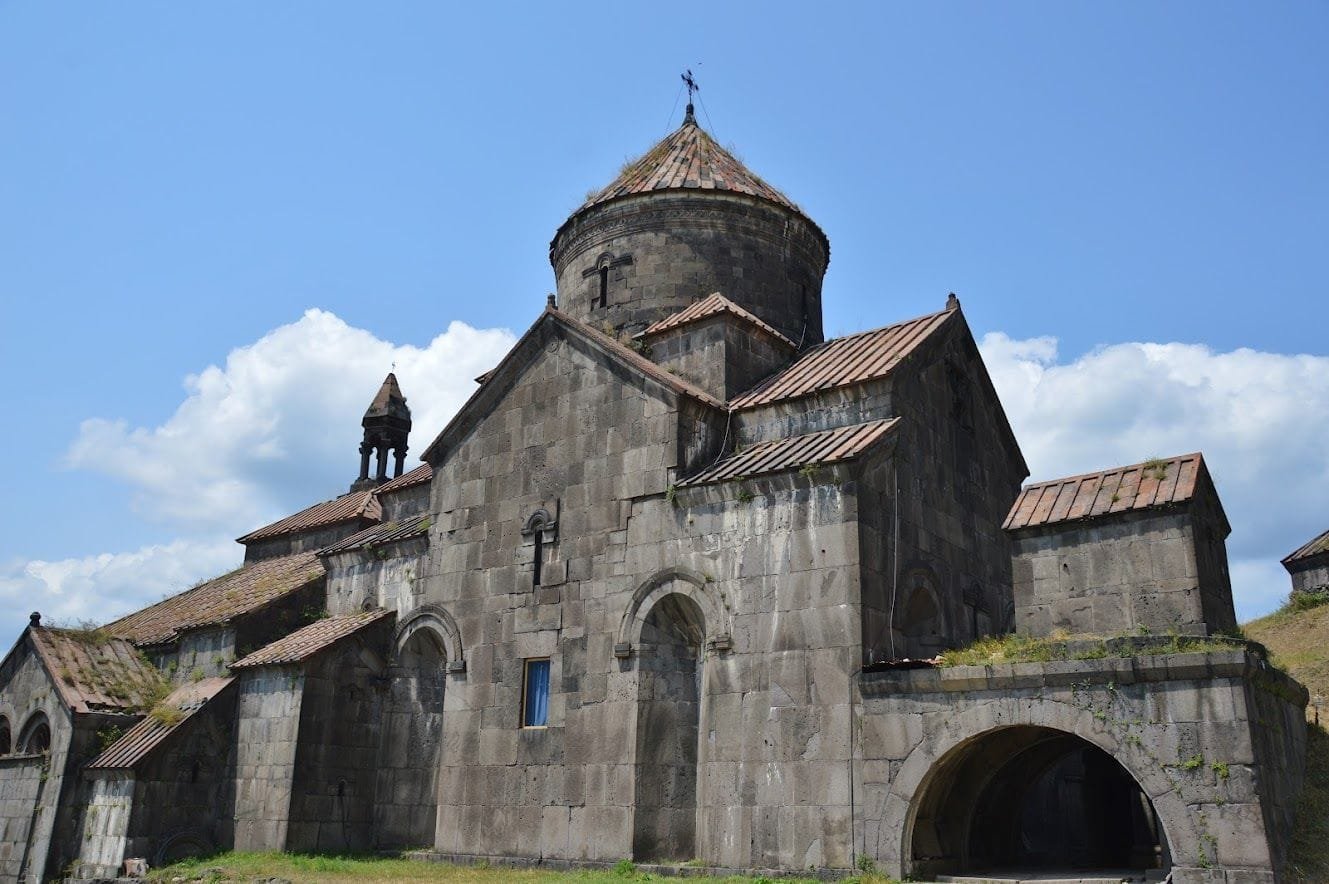 Above the Debed canyon, in the region of Lori and almost on the Georgian border, Haghpat has been a UNESCO site since 1996 and, for us, is the most complete Armenian monastery: the Holy Cross church of 991, the gavit with its crossed arches, the bell tower of 1245, the refectory and the library, with jars buried in the floor where the manuscripts were hidden when invaders came. Queen Khosrovanush founded it in 976. In the courtyard stands the khachkar of the Saviour, from 1273, the finest of the thousands there are in Armenia.
Sayat-Nova lived and died here, the 18th-century troubadour who sang in Armenian, Georgian and Azerbaijani and has a street named after him in Tbilisi. An hour, and another for Sanahin, 10 km away. It is 180 km from Yerevan; the town below, Alaverdi, is a mining town and ugly, and we say so to spare you the surprise.
Road 140KM 2 Hours and 30 Minutes
Saghmosavank
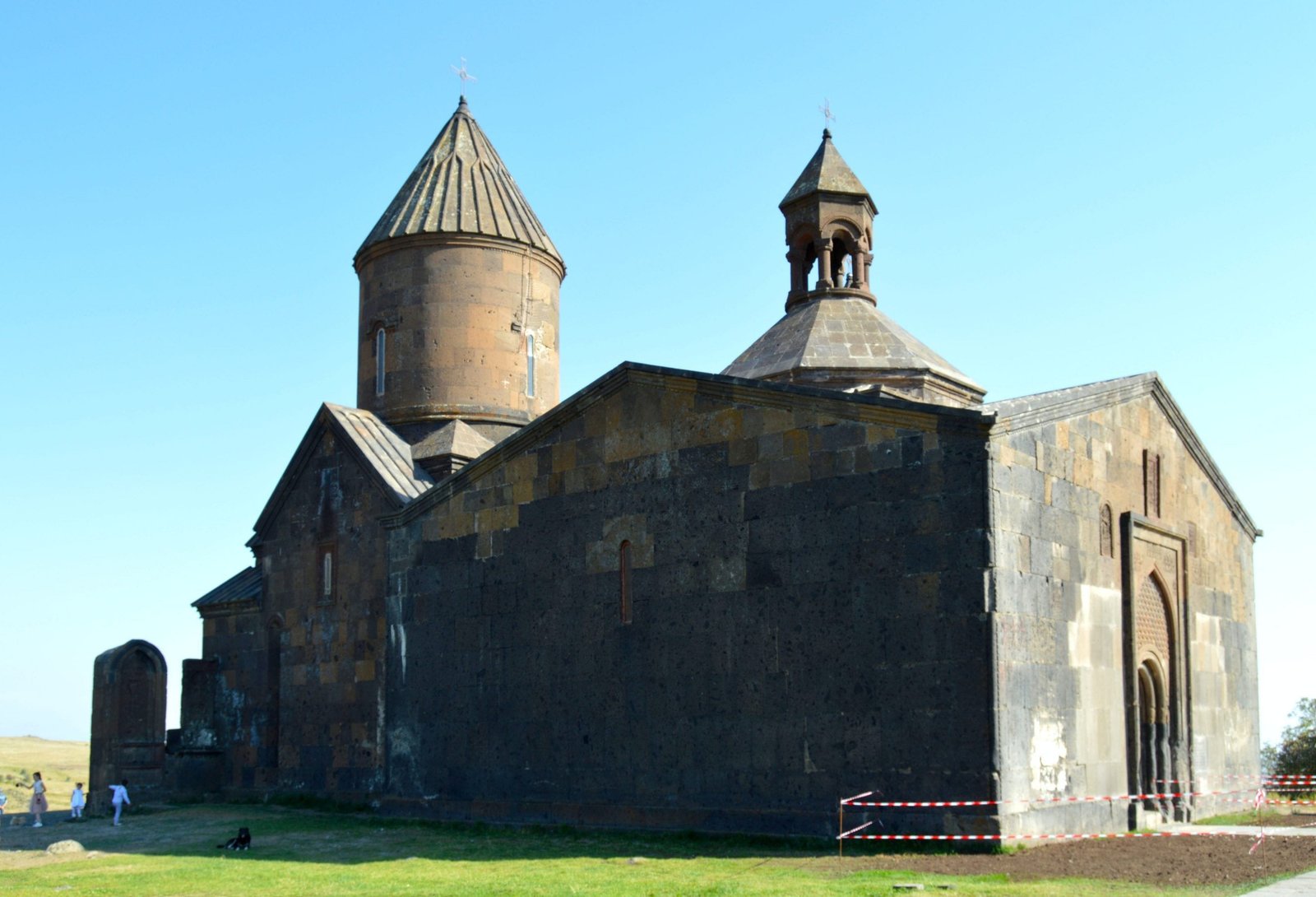 On the edge of a hundred-metre cut, the one the Kasagh river opens in the plateau, stands a reddish stone monastery of 1215 called "the one of the psalms": Saghmosavank. The Vachutian princes built it, and what is special about it is the gavit, the entrance hall with its stone vault and reliefs, and the library, because manuscripts were copied here for centuries. It is 30 km from Yerevan, on the way to Aragats, and there is almost never anyone there.
Half an hour. The best part is leaning over the canyon from the back wall and, on a clear day, seeing Ararat in the distance above the plain.
Road 32KM 0 Hours and 45 Minutes
Day 2 - Yerevan - Yerevan city walk - Garni - Gueghard - Yerevan
Total road of the day - 62KM 1 Hours and 33 Minutes First a walk around Yerevan, then Garni and Geghard. 62 km, 1 hour 33 minutes; lunch on the way. Road 0KM 0 Hours and 0 MinutesA walk around Yerevan
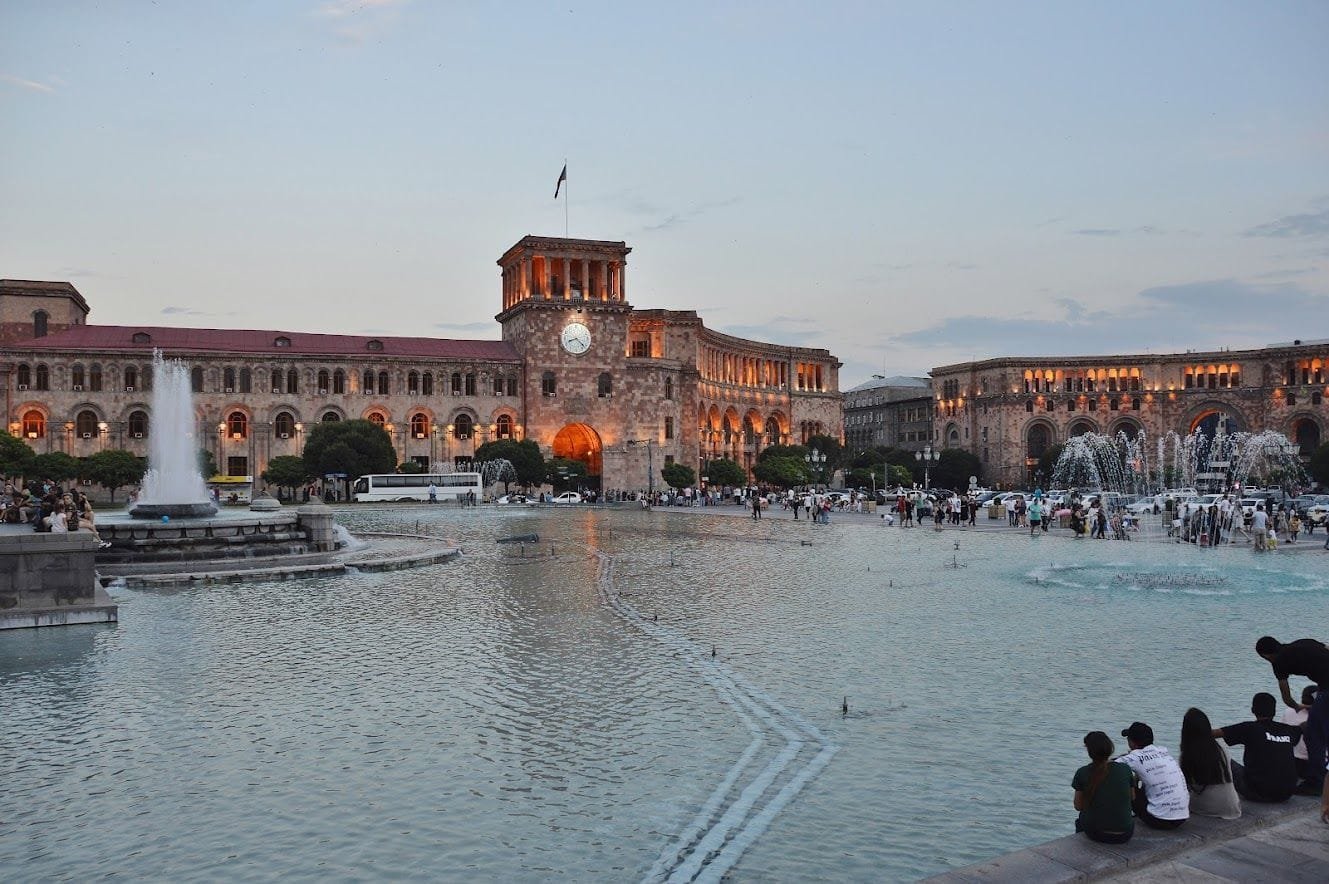 Yerevan is pink. Almost the whole centre is built of volcanic tuff of that colour, following the circular plan Alexander Tamanian drew in the 1920s, and Republic Square, with its arcades and its fountain, is the centrepiece. From there we go up to the Cascade, the monumental stairway begun in the seventies and finished in 2009 with the Cafesjian museum inside, by its escalators and past Botero's fat cat at the bottom. From the top, if the air is clean, the whole of Ararat, which is in Turkey but presides over the city.
The city boasts of being 29 years older than Rome: the fortress of Erebuni dates from 782 BC. But what you live today is something else: terraces, the Vernissage market at weekends, cafés that never close. Three or four hours on foot, comfortable shoes and, in summer, water: Yerevan in July goes over 35 degrees.
Road 26KM 0 Hours and 38 Minutes
Garni
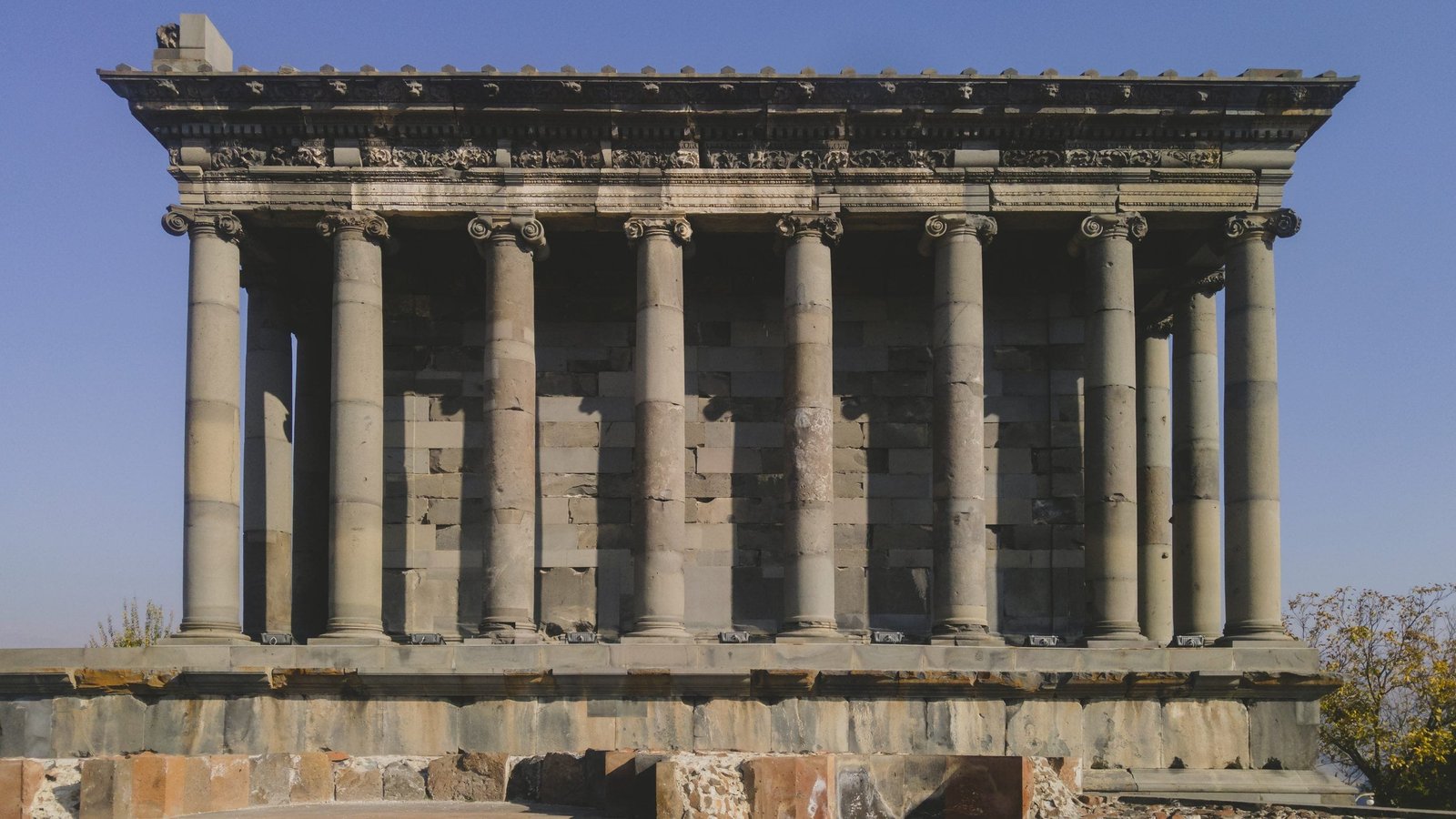 A Greek temple in Armenia. Garni was built by King Tiridates I around the year 77, dedicated to the sun god Mihr, and it is the only pagan building that survived the country's conversion to Christianity, probably because the kings used it as a summer house. What you see today is a reconstruction of 1969 to 1975 with the original stones: the earthquake of 1679 had brought the whole thing down. Next to it are the Roman baths with a mosaic and the inscription "we worked without receiving anything", which we guides find funny.
The other thing is the Azat gorge just below: the "symphony of stones", a wall of perfectly hexagonal basalt columns that look like an organ. You go down in the locals' 4x4s or on foot, 20 minutes of slope. An hour in all, more if we go down to the columns.
Road 10KM 0 Hours and 15 Minutes
Geghard
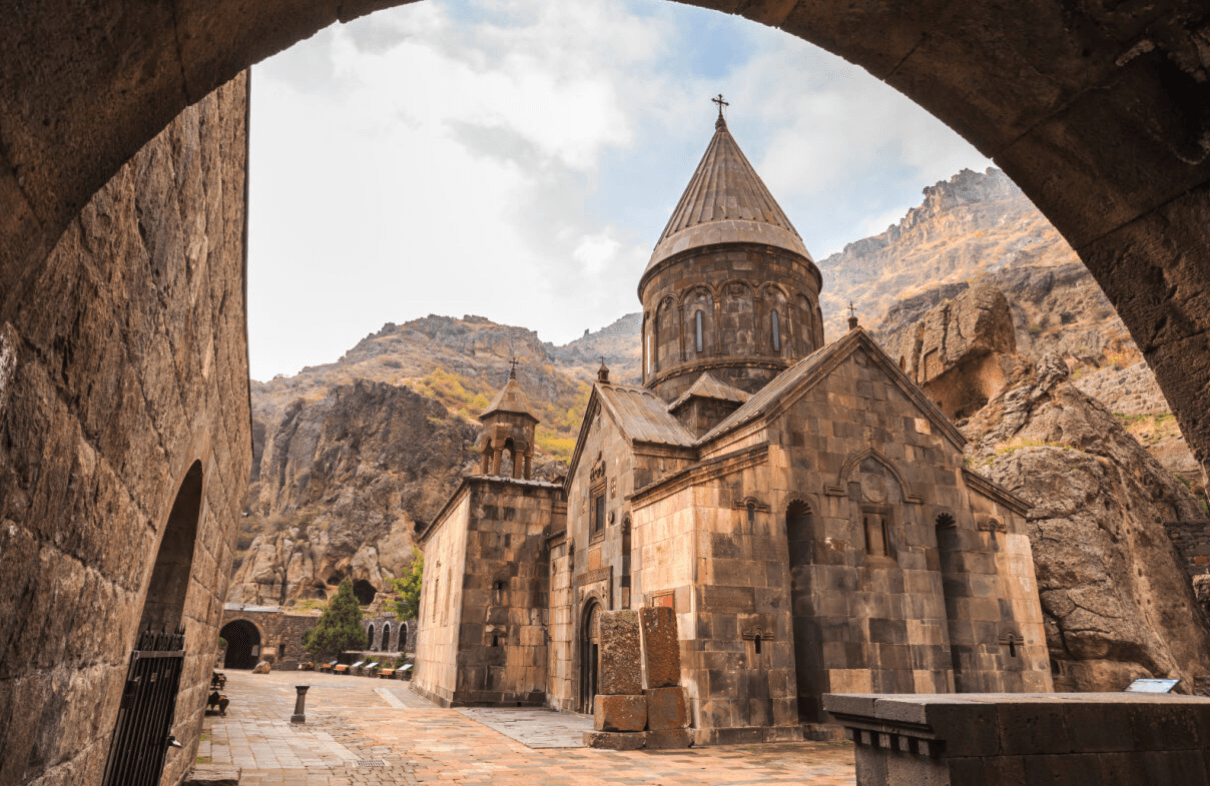 Half the monastery is inside the mountain. Geghard was founded by St Gregory the Illuminator in the 4th century beside a spring that still flows inside one of the chapels, and what you see dates from the 13th: the main church, of 1215, and the chambers cut into the rock by the Proshian princes, with their carved coats of arms and an acoustic you test by singing. The name means "spear": for centuries the one that, according to tradition, pierced Christ's side was kept here; it is now in the Echmiadzin museum. A UNESCO site since 2000.
An hour. It is the place in Armenia where we have most often seen people moved, especially if a choir happens to be in the rock chamber. At the exit the village women sell fresh lavash and gata, a sweet bread; worth stopping for.
Road 26KM 0 Hours and 40 Minutes
Day 3 - Yerevan - Echmiadzin - Zvartnots - Yerevan
Total road of the day - 49KM 1 Hours and 25 Minutes In the morning, Echmiadzin; in the afternoon, Zvartnots. 49 km in all. Road 21KM 0 Hours and 45 MinutesEchmiadzin
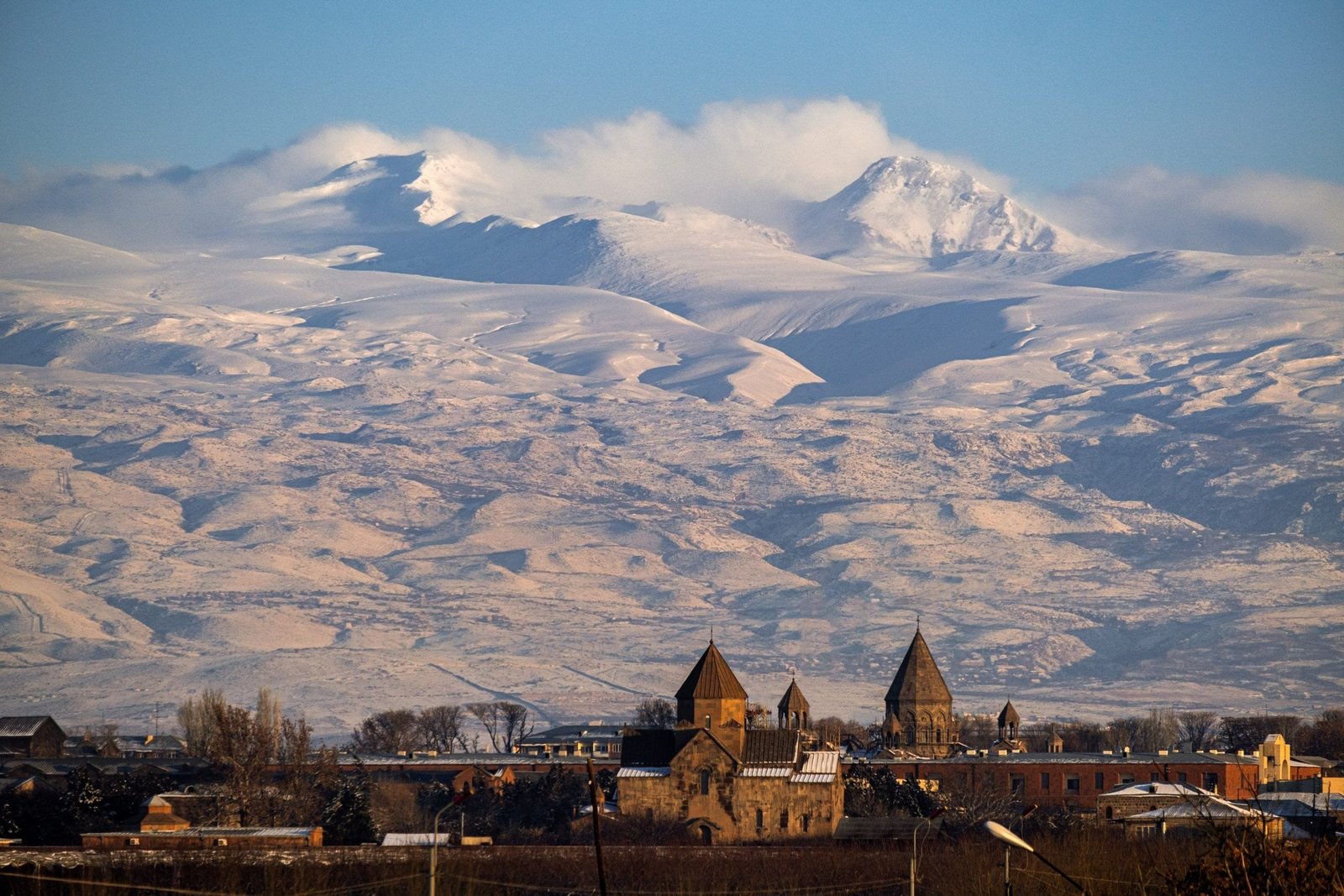 The Armenian Vatican. Echmiadzin, 20 km from Yerevan, is where the Catholicos lives, head of the Armenian Apostolic Church, and where the cathedral stands that St Gregory the Illuminator founded in 303, two years after Armenia became Christian, the first nation to do so. What you see is mostly 5th century and later alterations, and the cathedral has spent more than ten years under restoration. In the museum on the grounds are the spear of Geghard and other relics that say a lot to a believer and, to everyone else, at least explain what this place means.
An hour for the cathedral and the museum. On Sundays the sung liturgy fills the church and you go in all the same, quietly. Five minutes away are the churches of Hripsime and Gayane, from the 7th century, which are the ones architects like best, and the ruins of Zvartnots.
Zvartnots
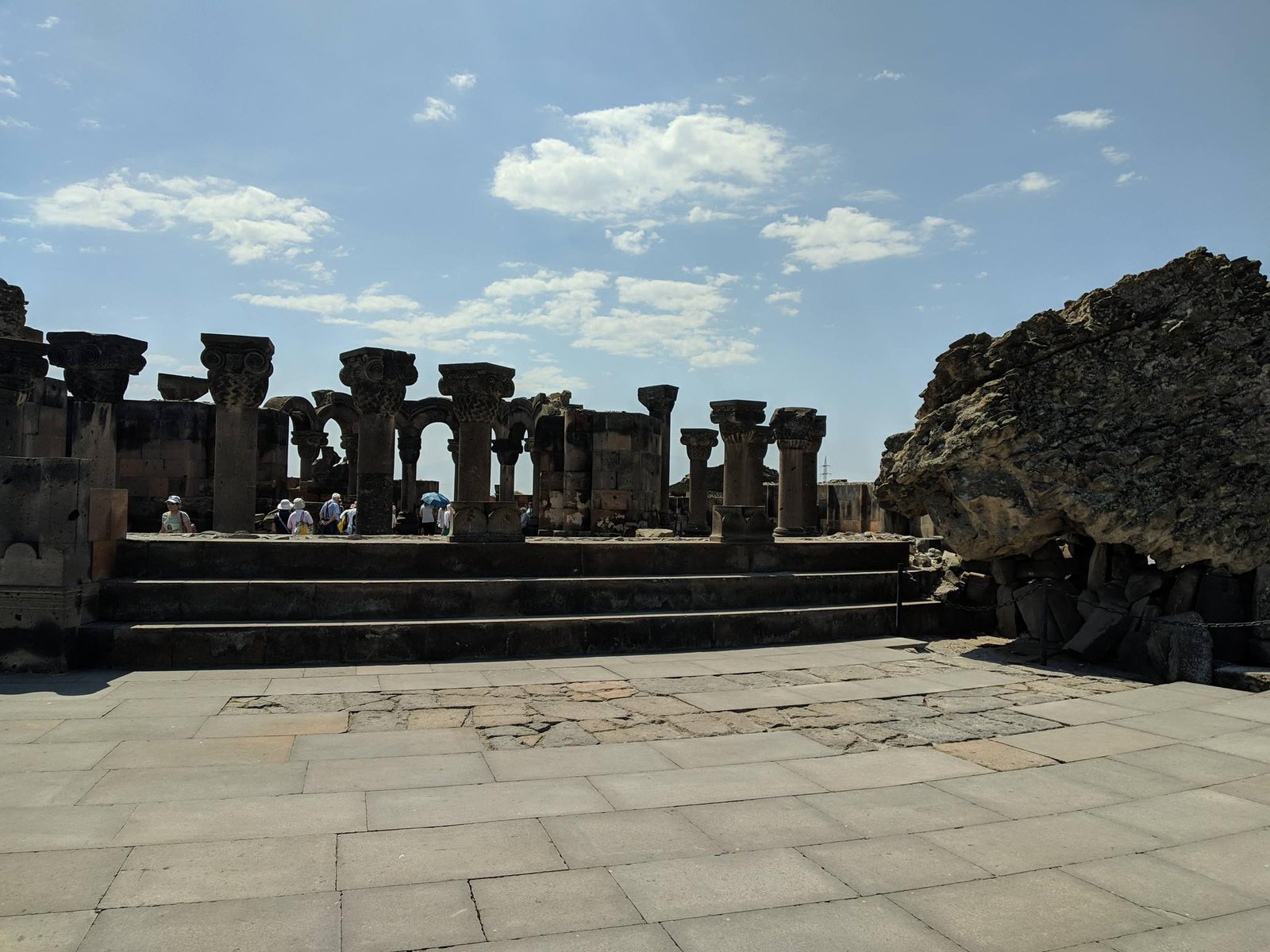 What is left of Zvartnots is a ring of columns and capitals with eagles, ten minutes from Echmiadzin and next to the airport. In the 7th century, between 641 and 661, Catholicos Nerses III raised here a round cathedral of three tiers and some 45 metres, the boldest of its age; an earthquake brought it down in the 10th century and nobody rebuilt it. It was excavated between 1900 and 1907, and in the small museum there is a model that helps you imagine what it was. A UNESCO site since 2000, together with Echmiadzin.
Half an hour. It is a flat, open site with Ararat in the background when the day is clear, which is why photos from here always come out well.
Day 4 - Yerevan-Seván-Dilijan-Goshavank-Sadakhlo-Tbilisi
Total road of the day - 157KM 5 Hours and 35 Minutes A long day, the longest of the trip: Sevanavank above the lake, Dilijan and the Goshavank monastery, then back into Georgia at Sadakhlo. We reach Tbilisi by late afternoon. Road 68KM 1 Hours and 10 MinutesSevanavank Monastery
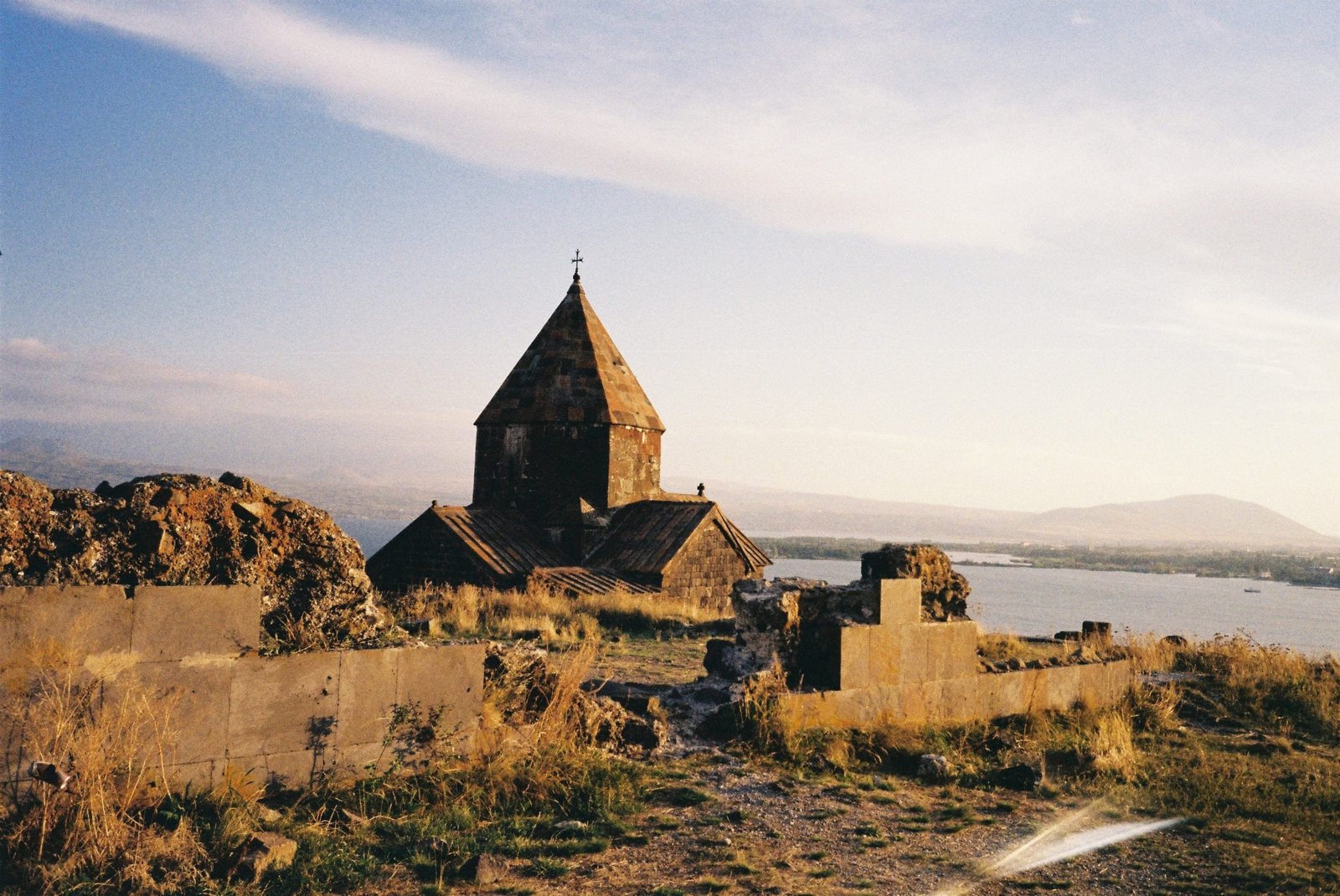 Lake Sevan sits at 1,900 metres and is so big it looks like the sea: 1,240 km², the largest in the Caucasus. Until the 1930s Sevanavank stood on an island; the Soviets lowered the lake by almost twenty metres for irrigation, and the island became a peninsula. Two black tuff churches of the year 874 remain, founded by Princess Mariam, daughter of King Ashot I, and 200 steps to climb. Today there is a seminary next door.
Three quarters of an hour. It is almost always windy and by September it is already cold; in high summer, on the other hand, people swim and along the shores they grill trout and ishkhan, the lake's own fish. It is 65 km from Yerevan.
Road 32KM 0 Hours and 35 Minutes
Dilijan
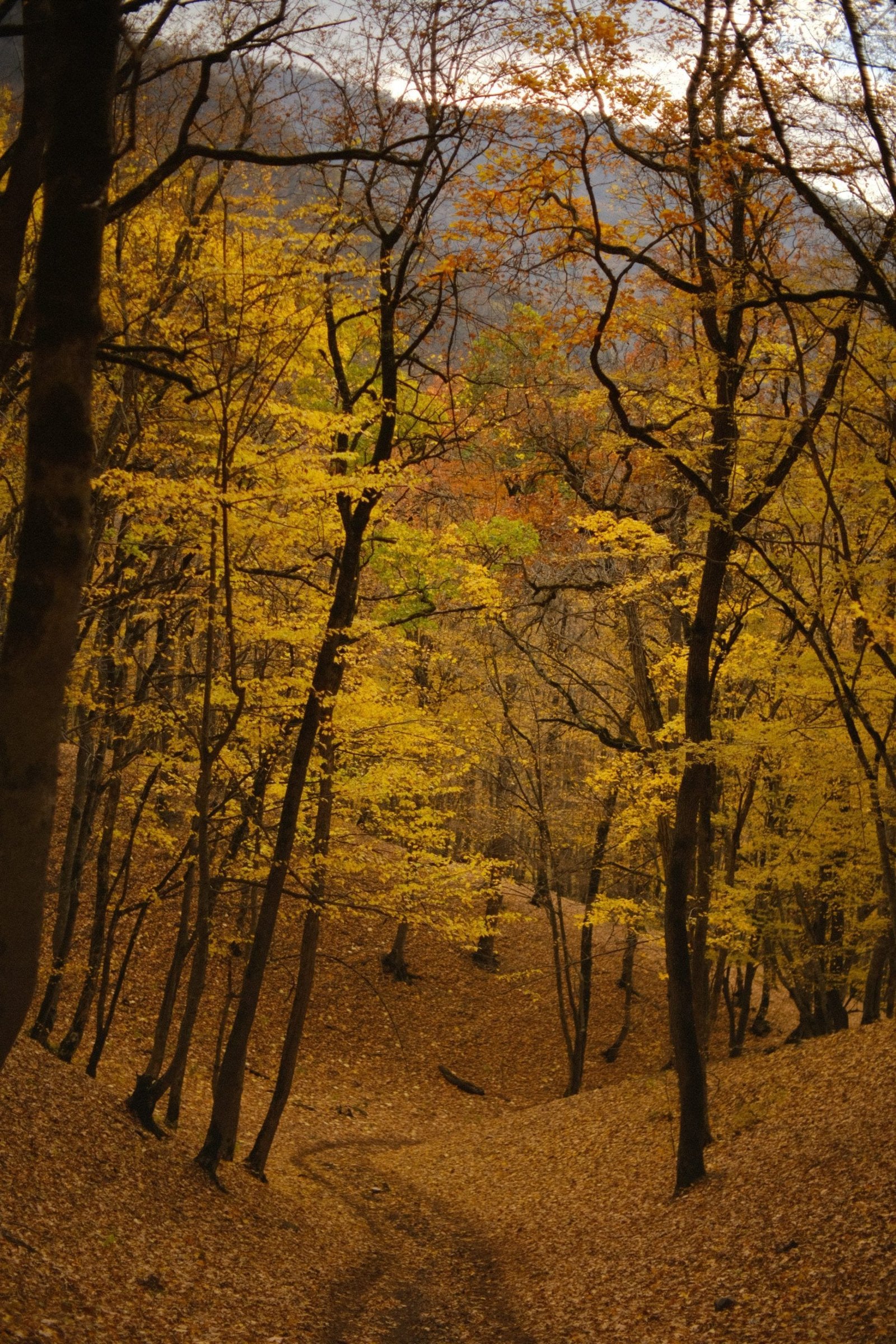 After the dry, pink Armenia of Yerevan, Dilijan is green: a spa town at 1,300 metres in the middle of a forested national park, in the province of Tavush, which the Soviets filled with sanatoriums and rest houses for composers. They call it "little Switzerland", as they do every place with pines and fresh air; no need to believe it. What there is is a restored stretch of old street, Sharambeyan, with 19th-century houses of wood and stone, craft workshops and a couple of cafés, and mineral water coming out of the street fountains.
An hour for the town is enough. Its value is elsewhere: it is the perfect base for the forest monasteries, Haghartsin and Goshavank, and for sleeping cool in summer when Yerevan goes over 35 degrees.
Road 22KM 0 Hours and 25 Minutes
Goshavank
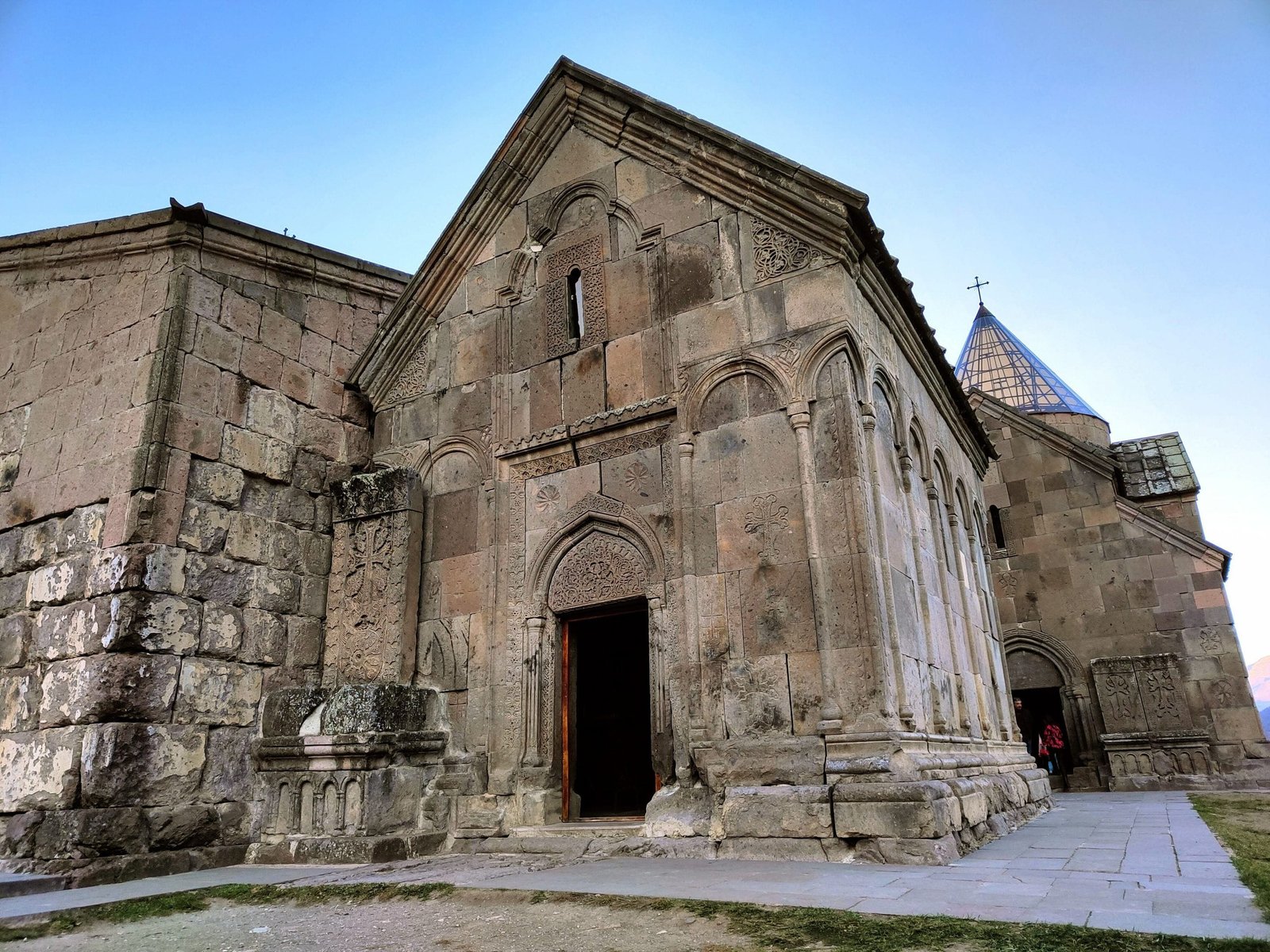 Mkhitar Gosh was the man who wrote Armenia's first law code, around 1184, as well as fables that are still read at school, and the monastery he founded in 1188 near Dilijan bears his name: Goshavank. It stands in a mountain village among walnut trees, and what sets it apart is a khachkar of 1291 by one Poghos, so fine it looks like lace rather than stone; Armenians rank it among the three best in the country. There are two churches, a book depository with a bell tower on top and the cell where Gosh is said to have worked.
Forty minutes. The village, Gosh, is one of the real ones: cows in the street and people who say hello.
Road 35KM 3 Hours and 25 Minutes


